

Why Does Oil Viscosity Change in Different Temperature Conditions
Discover how temperature affects oil viscosity and lubrication performance. Learn how oil flow changes in cold and hot conditions, how it impacts equipment efficiency, and how Wrindu testing solutions support reliable oil condition monitoring.
Oil viscosity is one of the most important factors affecting how equipment performs in real working environments. It describes how easily oil flows, and it changes significantly with temperature.
- At high temperatures, oil becomes thinner and flows more easily
- At low temperatures, oil becomes thicker and more resistant to movement
👉 This is why equipment may run smoothly in summer but struggle to start in winter.
To understand this relationship better, you can continue reading about temperature effects on lubrication performance.
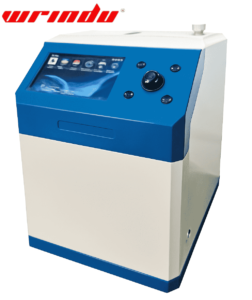
Click the image to know more about Wrindu Automatic Pour Point Freezing Point Tester.
How Does Viscosity Affect Lubrication Efficiency?
Proper lubrication depends on maintaining the right balance of oil thickness.
When viscosity is too low:
- Oil film becomes too thin
- Metal parts may contact each other
- Wear and friction increase
When viscosity is too high:
- Oil cannot circulate properly
- Energy consumption increases
- Heat dissipation becomes less efficient
👉 Both conditions can reduce equipment reliability and service life.
You can explore more in our guide on lubrication system performance and optimization.
What Is the Relationship Between Viscosity and Oil Aging?
Over time, oil properties change due to operating stress.
Main aging factors:
- Oxidation from high temperature exposure
- Contamination from particles and moisture
- Chemical breakdown of additives
Effects on viscosity:
- Oil may become thicker due to oxidation
- Sludge formation can increase flow resistance
- Performance becomes less stable
👉 Monitoring viscosity changes helps identify early signs of oil degradation.
Learn more in our article on oil aging mechanisms and preventive maintenance methods.
How Do Temperature Changes Affect Industrial Lubrication Systems?
In industrial systems, temperature fluctuations directly influence lubrication performance.
Common challenges:
- Cold starts causing poor oil circulation
- High-temperature operation reducing oil stability
- Seasonal performance variation
Impact on equipment:
- Increased wear rate
- Reduced efficiency
- Higher maintenance frequency
👉 That’s why temperature control and oil selection are critical in system design.
You may also be interested in industrial lubrication system maintenance strategies.
How Can Operators Improve Oil Performance in Real Applications?
Improving oil performance is not only about choosing the right product, but also about proper management.
Practical methods:
- Select correct viscosity grade for operating conditions
- Use additives to improve flow behavior
- Perform regular oil condition monitoring
- Replace oil before severe degradation occurs
👉 A proactive approach helps avoid unexpected system failures.
For more details, explore best practices in industrial oil management and maintenance planning.
How Wrindu Testing Solutions Support Viscosity and Condition Analysis?
Wrindu testing equipment helps engineers evaluate oil condition more accurately and efficiently.
- Provides stable and repeatable measurement results
- Supports multi-parameter oil condition analysis
- Helps identify early performance changes before failure occurs
👉 This enables better maintenance decisions and improves overall system reliability.
Continue Learning: Expand Your Oil Knowledge System
To build a complete understanding of oil performance and maintenance, explore these related topics:
- How Oil Quality Affects Transformer Efficiency and Safety
- Guide to Industrial Oil Testing Methods and Standards
- Understanding Oil Contamination and Filtration Techniques
- How to Build a Predictive Maintenance System for Power Equipment
👉 These articles help connect viscosity behavior with broader system reliability and maintenance strategies.
