

Why is Oil Pressure Monitoring Crucial for Cable Performance?
Learn how oil pressure monitoring can prevent cable failure by detecting pressure drops, leakage, and using advanced monitoring technologies for early intervention.
Oil pressure is an essential factor in ensuring the durability and safety of cables, especially those used in high-voltage environments. When oil pressure drops, it signals potential issues that could compromise the integrity of the cable. Monitoring oil pressure in real-time allows for early detection and proactive maintenance, preventing catastrophic failures.
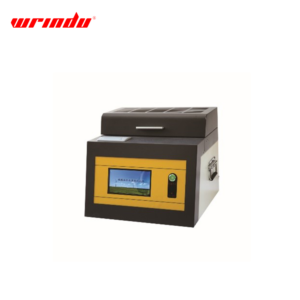
Click the picture to know more about Wrindu Oil Dielectric Strength Tester.
What Happens When There’s a Pressure Drop in Cables?
A pressure drop is often the first sign of trouble. It could indicate a leak or damage within the cable’s insulation or outer layers. As pressure decreases, the oil’s insulating properties degrade, leaving cables more susceptible to electrical failures. Without proper monitoring, these issues can go unnoticed until it’s too late.
Common Causes of Pressure Drops:
-
Leakage: Oil leaks weaken insulation and lower pressure, leading to potential short circuits.
-
Aging of Oil: Over time, the oil’s ability to maintain pressure diminishes due to degradation.
-
Improper Sealing: Faulty seals can lead to slow pressure drops, unnoticed until failure occurs.
How Does Oil Leakage Affect Cable Functionality?
Leakage directly impacts the insulating properties of cables, leading to higher chances of electrical failures. When oil leaks from cables, it disrupts the pressure balance, causing the insulating oil to escape, leaving the cable exposed to moisture and contamination. This not only compromises the cable’s performance but also increases the likelihood of short circuits or fire hazards.
What Monitoring Technologies Are Used to Detect Oil Pressure Issues?
To avoid such risks, advanced oil pressure monitoring technologies are used. These technologies continuously monitor oil pressure and detect any changes that may signal a leak or fault. Common methods include:
-
Pressure Sensors: Real-time monitoring with automated alerts.
-
Temperature and Humidity Sensors: Used alongside pressure sensors to assess cable health.
-
Oil Sampling: Regular testing of oil to check for signs of contamination or degradation.
Benefits of Using Oil Pressure Monitoring Tech:
-
Early detection of leaks
-
Preventative maintenance to avoid unexpected failures
-
Enhanced system reliability and operational safety
Common Questions About Oil Pressure Monitoring in Cables
Q1: How often should I monitor oil pressure in cables?
A1: Oil pressure should be monitored continuously, especially in high-voltage cable systems, to ensure early detection of pressure drops.
Q2: Can I detect a cable failure without oil pressure monitoring?
A2: Not reliably. While physical inspections help, oil pressure monitoring is the most effective method for early detection of hidden issues.
Q3: What should I do if a drop in pressure is detected?
A3: Immediate inspection is recommended. A pressure drop indicates a problem such as leakage, which needs to be addressed before further damage occurs.
Q4: How can oil pressure monitoring extend the life of cables?
A4: By detecting leaks or drops in pressure early, monitoring systems enable timely repairs or replacements, preventing long-term damage and reducing operational downtime.
