

Why Moisture Content in Transformer Oil Is Critical for Insulation Performance
Learn why moisture in transformer oil affects insulation strength and equipment safety. Discover how to test and control water content with Wrindu oil testing solutions.
After understanding key oil properties such as boiling point, freezing point, viscosity, and flash point, another extremely important factor affecting transformer reliability is moisture content in insulating oil.
Even a small amount of water can significantly reduce insulation performance and accelerate equipment aging.
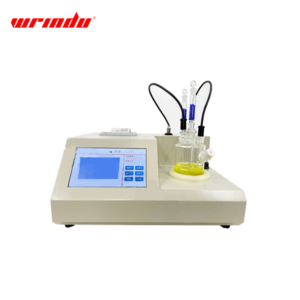
Click the image to know more about Wrindu Micro Water Tester.
What Is Moisture in Transformer Oil?
Moisture refers to the water content dissolved or suspended in transformer oil.
It usually exists in three forms:
- Dissolved water (invisible in oil)
- Emulsified water (cloudy appearance)
- Free water (visible droplets)
👉 Among them, dissolved water is the most dangerous because it is hard to detect but strongly affects insulation strength.
Why Moisture Is Dangerous for Transformers
Moisture directly impacts the two key functions of transformer oil:
1. Reduced insulation strength ⚡
Water reduces the dielectric strength of oil, increasing the risk of electrical breakdown.
2. Accelerated paper insulation aging 📉
Moisture migrates into cellulose insulation, causing:
- Reduced mechanical strength
- Faster aging
- Shortened transformer lifespan
3. Increased risk of partial discharge
Moisture creates localized weak points in insulation systems.
What Causes Moisture in Transformer Oil?
Common sources include:
- Breathing of transformer tank (humidity intake)
- Aging of insulation paper
- Leaks in seals or gaskets
- Temperature cycling causing condensation ❄️🔥
👉 Over time, even well-sealed systems can accumulate moisture.
How Moisture Affects Other Oil Properties
Moisture does not act alone—it influences other key parameters:
- Lower flash point stability
- Reduced breakdown voltage (BDV)
- Increased oxidation rate
- Poor viscosity stability in extreme conditions
👉 This is why moisture testing is often combined with other oil diagnostics.
How Is Moisture in Oil Measured?
Moisture content is typically measured using Karl Fischer titration or digital moisture analyzers.
Basic measurement process:
- Collect oil sample
- Extract or react water content
- Measure ppm (parts per million) level
👉 The result shows how dry or contaminated the oil is.
What Is an Acceptable Moisture Level?
General guidelines:
- New transformer oil: very low ppm level required
- In-service oil: must remain within safe operational limits
- Higher moisture levels indicate insulation risk
👉 Lower moisture = better insulation reliability.
How to Reduce Moisture in Transformer Oil
If moisture is detected, engineers can apply:
- Vacuum dehydration
- Oil filtration systems
- Transformer drying processes
- Seal inspection and repair
👉 These methods help restore oil performance and extend transformer life.
How Wrindu Testing Solutions Help
Wrindu provides advanced oil testing instruments that support:
- Accurate moisture detection
- Fast on-site and laboratory testing
- Combined analysis with BDV, viscosity, and thermal properties
- Reliable condition monitoring for transformers and cables
👉 This helps engineers detect insulation risks early and avoid failures.
Why Moisture Testing Is Essential
Without moisture monitoring:
- Insulation breakdown risk increases
- Transformer lifespan decreases
- Maintenance costs rise significantly
👉 Moisture is one of the most critical indicators of transformer oil health.
FAQs About Moisture in Transformer Oil
Q1: Can moisture be seen in transformer oil?
A: Only free water is visible. Dissolved moisture is invisible and more dangerous.
Q2: Does temperature affect moisture level?
A: Yes. Higher temperatures can dissolve more water in oil.
Q3: Can oil drying completely remove moisture?
A: Yes, with proper vacuum dehydration systems.
Q4: How often should moisture be tested?
A: During regular transformer maintenance cycles.
Q5: Why is moisture worse in old transformers?
A: Aging insulation releases more water into the oil over time.
