

Why Oil Analysis Is Critical for HV Oil Filled Cables?
Discover why oil analysis is critical for HV oil filled cables, including oil degradation, moisture risk, DGA diagnostics, and reliable cable oil testing for safer power operation.
- BYwrindu
- On
- InTechnical FAQs
Oil filled cable systems rely on insulating oil to maintain dielectric strength and heat dissipation. Regular oil filled cable oil analysis helps engineers detect hidden risks early and keep HV cable networks safe. This article explains oil degradation, moisture impact, dissolved gas analysis, and key diagnostic tools used in cable oil testing.
What Happens When Cable Oil Degrades?
Cable oil ages due to heat, electrical stress, and oxidation. Degraded oil loses insulation strength and forms acidic by-products. These changes increase leakage current and raise the chance of insulation failure.
Routine oil filled cable oil analysis tracks dielectric loss, acidity, and contamination. Early detection allows maintenance teams to restore oil quality before serious damage occurs. Stable oil condition directly supports reliable HV cable testing results.
Why Is Moisture a Serious Risk in Oil Filled Cables?
Moisture reduces dielectric strength and accelerates insulation aging. Even a small amount of water can create partial discharge inside paper insulation. This process weakens the cable over time.
Accurate cable oil testing measures moisture content and insulation resistance. Engineers can dry the system or replace contaminated oil once moisture exceeds safe limits. Fast action prevents breakdown and extends cable service life.
How Does Dissolved Gas Analysis Help Cable Diagnosis?
Electrical faults generate characteristic gases inside insulating oil. Dissolved gas analysis (DGA) identifies overheating, discharge, or insulation defects by studying gas composition.
DGA provides early warning before visible failure appears. Combining DGA with oil filled cable oil analysis improves diagnostic confidence and supports predictive maintenance planning for HV networks.
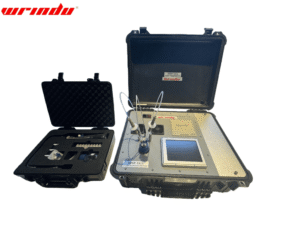
Click the picture to know more about Wrindu Portable Insulation Oil DGA Tester.
Which Diagnostic Tools Support Reliable Cable Oil Testing?
Modern diagnostic work includes oil sampling kits, moisture analyzers, dielectric loss testers, and DGA instruments. These tools provide clear data for insulation health assessment.
Field engineers often integrate oil analysis with broader HV cable testing procedures such as partial discharge detection and leakage current measurement. A complete diagnostic approach ensures accurate fault prevention and long-term reliability.
What Questions Do Engineers Ask About Oil Filled Cable Oil Analysis?
How often should oil testing occur?
Test regularly. Annual testing suits stable systems, while aging cables need shorter intervals.
What is the first sign of oil deterioration?
Rising acidity or moisture. These indicators appear before insulation failure.
Can DGA replace other cable tests?
No. DGA complements electrical testing but does not replace it.
Why combine oil analysis with HV cable testing?
Combined testing gives a full insulation picture and improves maintenance decisions.
Wrindu Expert Review
Consistent oil filled cable oil analysis protects insulation integrity, reduces failure risk, and supports safe HV operation. Moisture monitoring, DGA, and modern diagnostic tools form the foundation of effective cable oil testing. Utilities that apply regular analysis gain longer cable life, fewer outages, and more reliable power delivery.
