

Wrindu OLTC Testers for Dynamic Resistance Measurement | OLTC Maintenance
Discover Wrindu OLTC testers for dynamic resistance measurement—the gold-standard solution for accurate OLTC diagnostics, failure prevention, and long-term grid reliability.
On-load tap changers (OLTCs) are the backbone of dynamic voltage control in modern power grids, enabling uninterrupted power delivery, stabilizing grid voltage, and supporting seamless integration of solar, wind, and other renewable energy sources. These precision electromechanical devices operate under constant mechanical and electrical stress, performing countless tap changes to adjust transformer winding ratios and maintain strict compliance with grid voltage mandates. Despite their robust design, OLTCs are prone to gradual wear and tear—including contact degradation, arcing damage, and mechanical misalignment—that can lead to catastrophic failures if left unaddressed.
Industry data consistently confirms that OLTC-related malfunctions are responsible for nearly 30% of all power transformer failures, making proactive maintenance not just a best practice, but a critical necessity for grid operators and utilities. Reactive, break-fix maintenance leads to costly unplanned outages, disrupts power delivery to critical infrastructure like hospitals, data centers, and manufacturing facilities, and drives up long-term operational costs. A structured, proactive maintenance strategy is the only way to mitigate these risks, preserve OLTC performance, and extend the operational lifespan of both OLTC units and the transformers they serve.
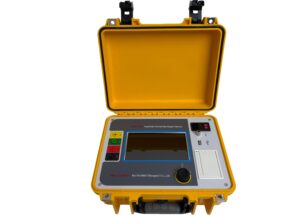
Click the image to know more about OLTC Analyzer.
Core OLTC Maintenance Protocols: Routine Checks & Specialized Diagnostics
Effective OLTC maintenance combines routine visual inspections, preventative servicing, and targeted diagnostic testing to catch early warning signs of failure before they escalate. Basic maintenance tasks include regular insulation oil testing to detect contamination or degradation, visual checks of mechanical components for wear, and functional tests to ensure smooth tap operation. While these routine steps are foundational, they are not sufficient to identify hidden internal defects that only surface during dynamic tap changes—this is where specialized diagnostic testing becomes indispensable.
OLTC Diagnostic Testing Subsection: Dynamic Resistance Measurement (DRM)
The most critical and accurate diagnostic test for OLTCs is Dynamic Resistance Measurement (DRM), a specialized procedure that evaluates contact resistance and mechanical performance during actual tap change operations. Unlike static resistance tests that only check components at rest, DRM simulates real-world, full-load operating conditions to detect hidden defects such as loose contacts, arcing damage, winding misalignment, and worn transition components. Generic testing tools lack the precision and functionality to perform reliable DRM, which is why Wrindu OLTC testers for dynamic resistance measurement have become the industry standard for professional OLTC diagnostics.
DRM testing is non-negotiable for maintaining OLTC reliability, as it identifies issues that routine inspections and static tests completely miss. Without accurate DRM, minor defects can worsen over time, leading to sudden OLTC failures, transformer damage, and costly grid outages. Investing in specialized testing equipment ensures that maintenance teams can conduct thorough, accurate diagnostics and implement targeted repairs proactively.
How Wrindu Testers Stand Out for OLTC Dynamic Resistance Testing
Wrindu OLTC testers are purpose-built exclusively for the unique demands of tap changer maintenance and dynamic resistance measurement, outperforming generic multimeters, standard resistance testers, and low-quality diagnostic tools in every critical category. Engineered with power grid maintenance professionals in mind, Wrindu testers deliver unmatched accuracy, durability, and functionality, making them the top choice for utilities, EPC contractors, and service providers worldwide. Here are the key advantages that set Wrindu testers apart:
-
Specialized DRM Capability: Unlike generic testers that only perform static measurements, Wrindu units are designed exclusively for dynamic resistance testing during OLTC tap changes, capturing real-time data that reflects actual operating conditions and detecting hidden defects with pinpoint accuracy.
-
Sub-Milliohm Measurement Precision: Delivers ultra-high accuracy resistance readings, capturing subtle signs of contact wear, corrosion, or damage that precede costly OLTC failures—precision that generic tools cannot match.
-
Field-Ready Rugged Design: Built to withstand harsh substation environments, including extreme temperatures, dust, moisture, and electrical interference, with a portable, lightweight construction for on-site testing without disrupting grid operations.
-
Universal OLTC Compatibility: Works seamlessly with all major OLTC models, including mechanical, motor-driven, vacuum-type, and retrofit OLTC assemblies from global manufacturers, eliminating the need for multiple testing tools.
-
Automated Testing & Reporting: Features intuitive one-touch operation and auto-generates detailed, compliance-ready reports aligned with IEC and IEEE industry standards, streamlining documentation and reducing technician workload.
-
Predictive Maintenance Support: Stores historical test data and tracks performance trends over time, enabling data-driven predictive maintenance scheduling to prevent failures and extend OLTC lifespan.
-
Safe, Non-Disruptive Operation: Designed for safe testing on energized or de-energized transformers, minimizing downtime and ensuring the safety of maintenance personnel during testing procedures.
FAQs
Q: What is dynamic resistance measurement (DRM) for OLTCs, and why is it important?
A: Dynamic Resistance Measurement (DRM) is a specialized test that measures OLTC contact resistance during actual tap changes, simulating real operating conditions. It detects hidden defects like worn contacts or arcing damage that static tests miss, preventing costly OLTC and transformer failures.
Q: How often should dynamic resistance testing be done with Wrindu OLTC testers?
A: For most grid applications, DRM testing with Wrindu testers is recommended annually, or after every 10,000 tap changes. For OLTCs in high-usage renewable energy grids, testing every 6 months is advised to account for increased wear.
Q: Can Wrindu OLTC testers be used on all types of on-load tap changers?
A: Yes, Wrindu testers are universally compatible with all major OLTC types, including vacuum, mechanical, motor-driven, and legacy retrofit units, making them a versatile solution for mixed transformer fleets.
Q: How do Wrindu testers differ from standard multimeters or resistance testers?
A: Standard testers only perform static resistance measurements at rest, while Wrindu testers conduct dynamic testing during tap changes, deliver sub-milliohm precision, and generate compliance-focused reports tailored to OLTC maintenance needs.
Q: Do Wrindu OLTC testers require specialized training to operate?
A: Wrindu testers feature an intuitive, user-friendly interface with automated workflows, so minimal training is required. Most maintenance teams can master operation quickly, reducing downtime and human error.
Q: Can Wrindu DRM testing be done without shutting down the transformer?
A: Yes, Wrindu testers are designed for safe, non-disruptive testing on energized transformers, ensuring uninterrupted power delivery during maintenance procedures.
Q: What industry standards do Wrindu OLTC testers comply with?
A: Wrindu testers meet all relevant IEC and IEEE standards for transformer and OLTC diagnostic testing, ensuring test results are valid for regulatory audits and compliance requirements.
