

Wrindu Complete Guide: No Load Loss Calculation of Transformer
Complete guide on no load loss calculation of transformer. Learn formulas, measurement tips, and how Wrindu No Load Loss Tester ensures accurate, reliable results.
Understanding and accurately calculating no load loss of transformer is essential for efficiency, regulatory compliance, and long-term cost management. This guide provides a step-by-step overview of the calculation process, explains common pitfalls, and links to related internal resources for deeper insights.
Whether you are a utility engineer, manufacturer, or maintenance professional, this no load loss calculation guide helps ensure reliable results and informed decision-making.
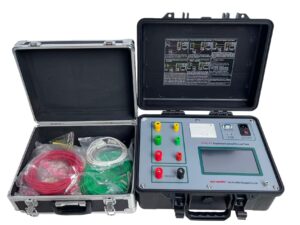
Click the image to know more about Transformer No-load Loss Tester.
What is no load loss and why does it matter?
No load loss is the power consumed by a transformer when it is energized at rated voltage but delivering no load. It represents the core loss in the magnetic circuit, including hysteresis and eddy current losses. Accurate measurement helps utilities optimize efficiency, comply with energy regulations, and minimize unnecessary operating costs. For detailed testing methods, see our guide on No Load Loss Testing During Factory Acceptance.
How is no load loss calculated?
No load loss is calculated using the formula:
P₀ = V × I₀ × cosφ
Where:
-
P₀ = No load loss (Watts)
-
V = Applied rated voltage (Volts)
-
I₀ = No-load current (Amperes)
-
cosφ = Power factor at no-load
Measurements must be taken under rated voltage, with stable frequency and low harmonic distortion. This ensures accuracy and repeatability. For automated and precise calculations, using instruments like the Wrindu No Load Loss Tester reduces human error and supports data logging.
What factors affect no load loss measurement accuracy?
Several factors can influence results:
-
Voltage stability: Small deviations can significantly change measured core loss.
-
Power factor variations: Low power factor readings must be corrected for precise calculation.
-
Temperature and frequency: Core losses vary with ambient conditions; advanced testers automatically adjust for these factors.
-
Instrument resolution: Low-quality meters or unstable instruments produce inconsistent results.
For practical tips on achieving stable readings, check our article How to Choose a No Load Loss Tester for Transformers.
How do engineers use a tester for no load loss calculation?
Testers like the Wrindu No Load Loss Tester simplify the process:
-
Connect the transformer under rated voltage.
-
Measure the no-load current and power factor using the tester.
-
Use automatic calculations to compute no load loss and compare with manufacturer specifications.
-
Store or export data for audits and reporting.
This method improves efficiency, reduces setup time, and ensures compliance with energy standards. For on-site versus factory testing differences, see On-Site vs Factory No Load Loss Testing.
What common questions do users have about no load loss calculation?
Can I calculate no load loss manually without a tester?
→ Manual calculation is possible but prone to error; automated testers are recommended.
How often should no load loss be measured?
→ During factory acceptance, commissioning, and periodic audits to track transformer health.
What if measured no load loss exceeds specification?
→ It may indicate core issues, incorrect installation, or measurement errors; investigate using tools like the Wrindu No Load Loss Tester.
How can internal resources enhance understanding?
Linking measurement techniques, regulatory compliance guides, and testing best practices helps engineers create a comprehensive workflow:
-
Manual vs Automatic No Load Loss Measurement – Compare methods and accuracy.
-
No Load Loss and Energy Efficiency Regulations – Understand policy-driven requirements.
-
Future Trends in Transformer Loss Testing – See how digitalization and smart grids affect testing.
Why accurate no load loss calculation matters?
Accurate no load loss calculation is essential for:
-
Optimizing transformer efficiency and lifetime costs
-
Meeting energy regulations and utility requirements
-
Reducing measurement errors through modern testers
-
Supporting lifecycle monitoring and predictive maintenance
Using advanced instruments like the Wrindu No Load Loss Tester ensures stable, repeatable measurements and simplifies reporting. Following this no load loss calculation guide positions engineers and utilities to achieve reliable, compliant, and data-driven transformer management.
