

What Is the Physics Behind DC Testing?
Explore the science behind DC withstand voltage and leakage current testing. Learn how these tests help prevent insulation breakdown and ensure electrical equipment reliability.
DC testing plays a critical role in evaluating the insulation integrity of electrical equipment, particularly transformers. By applying high DC voltage to the insulation, DC withstand voltage and leakage current tests reveal crucial insights into the condition of electrical systems. Understanding the physics behind these tests is key to improving electrical safety, system reliability, and equipment longevity. In this article, we’ll explore the scientific principles behind DC withstand voltage testing, the role of leakage current, and how these concepts help prevent insulation breakdown and dielectric failure.
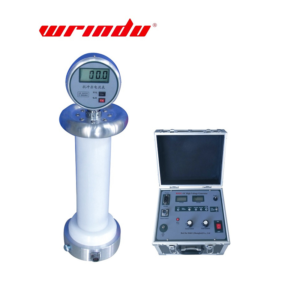
Click the picture to know more about DC withstand voltage device.
What Is Dielectric Strength and Breakdown?
Dielectric strength is the maximum voltage that an insulating material can withstand without breaking down. When a dielectric material, such as transformer oil or solid insulation, fails under high voltage, it leads to dielectric breakdown. This phenomenon occurs when the insulating material’s molecular structure is disrupted by electrical stress, allowing current to pass through it. Understanding dielectric strength is essential for determining the appropriate voltage levels during DC withstand testing, as well as for predicting insulation failure before it causes equipment damage.
Key Points on Dielectric Breakdown:
-
Insulation Failure: When insulation is subjected to high voltage beyond its dielectric strength, it breaks down, leading to short circuits or equipment failure.
-
Material Factors: The dielectric properties of insulating materials vary depending on temperature, humidity, and age, all of which can affect the breakdown voltage.
How Does DC Withstand Voltage Testing Work?
DC withstand voltage testing is based on the principle of applying a high DC voltage to a transformer or other electrical equipment. The goal is to assess the ability of the insulation to withstand electrical stress without experiencing dielectric breakdown.
Theoretical Approach to DC Withstand Testing:
-
Voltage Application: A controlled DC voltage higher than the operating voltage is applied to the insulation.
-
Leakage Current Measurement: The test measures the current that leaks through the insulation, providing an indication of its quality and strength.
-
Test Duration: The voltage is applied for a specific period to observe how the insulation reacts to prolonged electrical stress.
This testing helps identify any weaknesses or defects in the insulation before they lead to major equipment failures.
How Does Leakage Current Impact Equipment?
Leakage current refers to the small amount of current that flows through the insulation when a voltage is applied during DC testing. While minimal leakage may be acceptable, excessive leakage current is a sign of insulation degradation and can lead to insulation breakdown over time.
How Leakage Current Leads to Equipment Failure:
-
Moisture and Contamination: Over time, contaminants such as moisture or dirt can infiltrate the insulation, increasing leakage current and lowering the insulation’s effectiveness.
-
Deterioration of Insulation Materials: As the insulation ages or is exposed to harsh operating conditions, its ability to resist leakage current diminishes, ultimately leading to failure.
Monitoring leakage current during testing provides valuable insights into the condition of the insulation and helps prevent premature equipment failure.
How Do Scientific Principles Guide Practical Testing?
Understanding the underlying physics behind DC withstand voltage and leakage current testing is crucial for ensuring the reliability and longevity of electrical equipment. By applying scientific principles, engineers can accurately assess the condition of insulation, identify weaknesses, and prevent equipment failure. These tests form an essential part of preventive maintenance, helping to ensure that transformers, cables, and other electrical systems continue to operate safely and efficiently.
Regular DC withstand voltage and leakage testing based on scientific principles helps safeguard equipment, extend its service life, and avoid costly downtime due to unexpected failures.
Common Questions from Instrument Users: What Do You Need to Know?
How Do I Accurately Measure DC Withstand Voltage?
Accurate measurement of DC withstand voltage requires the use of specialized high-voltage testing equipment, such as a dielectric strength tester. Ensure the equipment is calibrated correctly, and always verify that the insulation is dry and clean before conducting the test to avoid skewed results.
What Is the Best Way to Interpret Leakage Current?
Leakage current is measured during DC withstand voltage testing. The amount of leakage current can indicate the health of the insulation. Minor leakage is often acceptable, but excessive leakage may indicate serious insulation deterioration, requiring repair or replacement.
How Often Should DC Withstand Voltage Tests Be Performed?
DC withstand voltage tests should be performed regularly, depending on the transformer’s age, operating environment, and previous test results. In general, tests are conducted annually or every few years as part of routine preventive maintenance.
What Factors Can Affect the Results of DC Withstand Testing?
The results of DC withstand voltage testing can be influenced by various factors such as temperature, humidity, and the age of the insulation. High humidity levels can increase leakage current, while aging insulation may reduce its dielectric strength.
Can Leakage Current Predict Insulation Failure?
Yes, excessive leakage current can signal insulation degradation. By monitoring leakage current over time, trends can be identified that indicate potential insulation failure, allowing for early intervention and preventing complete breakdowns.
