

How is DC Test Wiring and Equipment Setup?
Learn how to set up DC high-voltage testing correctly, including test wiring, high-voltage generator configuration, and microammeter shielding tips.
Correct wiring and equipment setup form the foundation of reliable DC high-voltage testing. Poor connections, wrong grounding, or weak shielding can distort results and increase safety risks. This article explains DC test wiring in a clear and practical way. It focuses on wiring layout, high-voltage generator setup, and microammeter measurement tips for accurate transformer and equipment testing.
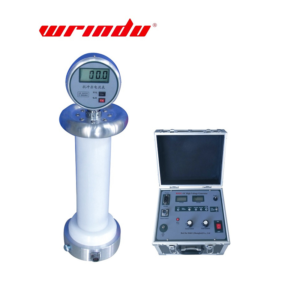
Click the picture to know more about Wrindu DC High-Voltage Tester.
What Does a Typical DC Test Wiring Diagram Look Like?
A typical DC high-voltage testing wiring diagram follows a simple and logical structure:
-
The high-voltage generator connects to the test object through a shielded HV cable
-
The return path connects the test object to ground
-
The microammeter measures leakage current in the grounding circuit
This layout ensures stable DC voltage application and accurate current measurement.
Engineers should keep the high-voltage lead as short as possible. Avoid sharp bends and unnecessary joints. Clear spacing reduces surface discharge and interference during DC testing.
How Should a High-Voltage Generator Be Set Up for DC Testing?
Proper setup of the high-voltage generator directly affects test accuracy and safety.
Place the generator on a clean and dry surface. Keep it away from grounded metal structures. Connect the grounding terminal first before any high-voltage connection.
During DC high-voltage testing, increase voltage smoothly and steadily. Sudden voltage rise can cause unstable leakage current readings. Always confirm polarity settings before starting the test.
A stable high-voltage generator output helps create repeatable insulation test results and protects both equipment and operators.
Why Is Microammeter Placement Critical in DC Testing?
The microammeter measures leakage current, which reflects insulation condition. Its placement matters.
Install the microammeter on the ground side of the test circuit. This position avoids exposure to high voltage and improves measurement stability.
Keep the meter close to the test object. Long leads can introduce noise and false current readings. Use shielded cables and connect the shield to ground at one end only.
How Can Shielding Reduce Interference During DC High-Voltage Testing?
Shielding plays a key role in accurate DC testing.
Use shielded cables for both high-voltage and measurement circuits. Proper shielding blocks external electric fields and reduces capacitive coupling.
Ground all shields at a single point. Multiple grounding points can create circulating currents and measurement errors.
Good shielding improves leakage current resolution and helps engineers detect insulation defects more clearly.
Wrindu Expert Review
Clear test wiring, correct high-voltage generator setup, and proper microammeter shielding ensure reliable DC high-voltage testing. Following these practical guidelines improves safety, enhances measurement accuracy, and supports long-term insulation evaluation. A well-planned setup turns DC testing into a powerful tool for high-voltage equipment assessment.
