

Which Factors Affect DC Test Accuracy and Results?
Understand the key factors that affect DC testing accuracy, including leakage current behavior, environment conditions, and setup practices in dielectric testing.
DC testing plays a critical role in dielectric testing of high-voltage equipment. Accurate results depend on more than test voltage alone. Environmental conditions, wiring layout, and operator practice all influence leakage current readings. This article explains the key factors that affect DC testing accuracy and shows how engineers can improve test reliability.
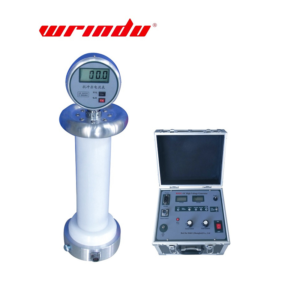
Click the picture to know more about Wrindu DC Hipot Tester.
How Do Air Humidity and Temperature Affect DC Testing Accuracy?
Air humidity and temperature directly influence leakage current during DC testing.
High humidity increases surface conduction on insulation. This causes higher leakage current even when internal insulation remains healthy. Temperature also changes insulation resistance. Higher temperature lowers resistance and raises measured current.
To improve DC testing accuracy, engineers should record ambient temperature and humidity. Comparing results only under similar conditions helps identify real insulation changes during dielectric testing.
Why Does Residual Charge Influence DC Test Results?
Residual charge often remains in insulation after previous tests or operation.
When insulation holds residual charge, leakage current may appear unstable at the start of DC testing. This can mislead operators and affect test judgment.
Engineers should fully discharge the test object before applying DC voltage. Adequate discharge time allows leakage current to stabilize and improves result consistency.
How Do Cables and Test Wires Affect Leakage Current Measurement?
Test cables and wiring layout play a major role in leakage current accuracy.
Long cables add distributed capacitance. This increases charging current and extends stabilization time. Poor insulation on test wires also introduces additional leakage paths.
To reduce these effects, use short and well-insulated cables. Keep test wiring away from grounded structures. Clean and dry cables before dielectric testing to avoid surface leakage.
What Are Common Measurement Errors in DC Testing?
Many test errors come from setup issues rather than insulation problems.
Improper grounding creates unstable leakage current readings. Poor shielding allows external electric fields to interfere with microampere measurements. Fast voltage rise also causes misleading current spikes.
Understanding these sources of error helps operators distinguish real insulation defects from test artifacts.
How Can Engineers Minimize Errors in DC Dielectric Testing?
Engineers can improve DC testing accuracy with simple practices:
-
Keep environmental conditions as stable as possible
-
Use consistent test procedures and voltage steps
-
Apply proper shielding and single-point grounding
-
Allow enough time for leakage current stabilization
These steps improve result repeatability and support reliable insulation condition assessment.
Wrindu Expert Review
DC testing accuracy depends on environment, wiring, and test method. Air humidity, temperature, residual charge, and cable effects all influence leakage current behavior. By controlling these factors and following standards, engineers can achieve more reliable dielectric testing results and make better maintenance decisions.
