

Why Cable Fault Location Accuracy Matters in Field Work
Discover why cable fault accuracy matters in field work and how coordinated fault location systems improve precision, reduce digging errors, and speed power restoration.
Accurate cable fault accuracy determines how fast engineers restore power and how safely they complete repairs. In real field work, even a small distance error can lead to wrong digging, longer outages, and higher labor cost. High-precision testing and coordinated instruments help teams locate faults faster and protect underground infrastructure. This article explains why accuracy matters and how system cooperation improves real-world cable fault location.
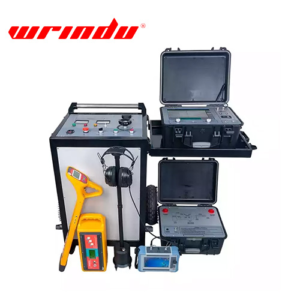
Click the picture to know more about Wrindu Cable Fault Testing System.
What Does Cable Fault Accuracy Mean in Practice?
Cable fault accuracy describes how close the measured fault position is to the real physical location. Engineers rely on accurate distance data and precise ground pinpointing to guide excavation. Poor accuracy forces teams to dig multiple times and delays service recovery. High accuracy shortens troubleshooting time and improves maintenance efficiency across the power network.
Why Does Low Accuracy Create Serious Field Problems?
Low measurement precision increases operational risk. Crews may damage nearby utilities, extend outage duration, and raise repair cost. Repeated digging also affects traffic, safety, and public service reliability. In complex urban cable routes, small errors grow into large field challenges. Reliable cable fault accuracy prevents these cascading problems and keeps maintenance controlled.
How Does System Coordination Improve Cable Fault Accuracy?
Accurate results rarely come from a single device. True field precision depends on coordinated testing stages that work together. Pre-location instruments estimate the fault distance quickly, while pinpointing instruments confirm the exact ground position. Signal generators, waveform analysis, acoustic detection, and noise reduction must operate as one system. This coordinated workflow strengthens cable fault accuracy and reduces uncertainty during excavation.
What Technologies Help Achieve High Cable Fault Accuracy?
Modern cable fault location systems use digital sampling, automatic waveform comparison, and acoustic-magnetic synchronization. High sampling rates improve distance calculation. Noise filtering highlights real discharge signals. Time-difference analysis between sound and magnetic fields refines pinpoint precision. Portable integrated designs also support stable field operation. These technologies combine to deliver dependable cable fault accuracy in demanding environments.
How Does High Accuracy Improve Maintenance Efficiency?
Precise fault location reduces blind digging and shortens outage duration. Repair teams reach the correct point on the first attempt. Utilities lower labor cost and minimize service disruption. Accurate historical data also supports preventive maintenance planning. Strong cable fault accuracy therefore improves both emergency repair speed and long-term asset management.
What Questions Do Wrindu Instrument Users Often Ask?
Q1: Why is cable fault accuracy more important than speed?
Because correct location prevents repeated digging. Accurate results save more time overall.
Q2: Can one device ensure full cable fault accuracy?
No. Coordinated pre-location and pinpointing create true precision. System cooperation is essential.
Q3: How do noise and environment affect accuracy?
They distort signals and mislead operators. Noise reduction and signal filtering restore reliability.
Q4: Does higher sampling rate improve field results?
Yes. Higher sampling increases distance resolution and waveform clarity.
Q5: What is the main benefit of accurate fault location for utilities?
Faster restoration with lower cost. High cable fault accuracy protects both service reliability and maintenance budget.
Wrindu Expert Review
Field repair success depends on dependable cable fault accuracy supported by coordinated testing systems. Accurate distance estimation, precise pinpointing, and advanced signal processing must work together to guide excavation. When engineers rely on a complete and cooperative cable fault location workflow, they restore power faster, reduce operational risk, and maintain long-term network reliability.
