

Why Cable Route Detection Is Critical Before Fault Location?
Discover why cable route detection is critical before fault location and how the RDCD-Ⅱ/507 cable pipeline detector improves accuracy, safety, and repair efficiency.
Accurate cable fault location starts with correct cable route detection. If engineers do not know the exact cable path, pinpoint testing may fail. Wrong route judgment can lead to longer repair time, repeated digging, and higher maintenance cost.
This article explains why underground cable route detection is essential and how the RDCD-Ⅱ/507 Cable Pipeline Detector supports safe and efficient field work.
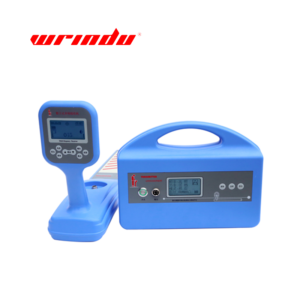
Click the picture to know more about Wrindu RDCD-Ⅱ/507 Cable Pipeline Detector.
What Is Cable Route Detection?
Cable route detection identifies the real position and direction of underground power cables.
Engineers use a locator to trace:
-
Cable path underground
-
Burial depth
-
Direction changes or branches
This step creates a clear map before fault pinpointing begins.
Without route confirmation, later testing may target the wrong position.
Why Must Engineers Detect the Cable Route Before Fault Location?
1. Prevent Wrong Excavation
Correct underground cable tracing avoids unnecessary digging.
This protects nearby pipelines and reduces repair risk.
2. Improve Fault Pinpoint Accuracy
Pinpoint tools rely on the true cable path.
Accurate routing ensures the discharge signal matches the real cable position.
3. Reduce Testing Time
Clear route information shortens:
-
Signal scanning distance
-
Repeated measurements
-
Overall outage duration
Efficient cable route locating speeds up maintenance work.
How Does the RDCD-Ⅱ/507 Cable Pipeline Detector Help?
The RDCD-Ⅱ/507 Cable Pipeline Detector supports precise cable route detection in complex environments.
Key benefits include:
-
Accurate underground cable tracing for reliable path identification
-
Depth measurement capability to guide safe excavation
-
Stable signal transmission for long-distance detection
-
Portable field design suitable for substations and urban streets
These features allow engineers to complete route confirmation before fault pinpointing, which improves total repair efficiency.
What Problems Occur Without Cable Route Detection?
Skipping cable route locating may cause:
-
Incorrect fault position judgment
-
Damage to nearby utilities during digging
-
Longer outage time for customers
-
Higher labor and repair cost
In serious cases, engineers may even miss the real fault point.
So route detection becomes the first critical step in cable fault management.
Common Questions About Cable Route Detection
Q1: Should route detection always come before fault pinpointing?
Yes. Route detection must come first. Accurate path information ensures correct fault testing.
Q2: Can fault location work without knowing the cable route?
It may work, but accuracy drops sharply. Wrong path leads to wrong digging and longer repair time.
Q3: What makes the RDCD-Ⅱ/507 useful in the field?
It provides precise tracing and depth measurement in one device. This helps engineers plan safe excavation quickly.
Q4: Does cable route detection reduce maintenance cost?
Yes. Correct routing prevents repeated digging and saves labor time.
Wrindu Expert Review
Cable route detection forms the foundation of accurate underground cable fault location.
Without this step, engineers face:
-
Low pinpoint accuracy
-
Higher excavation risk
-
Longer service interruption
With reliable tools like the RDCD-Ⅱ/507 Cable Pipeline Detector, teams gain:
-
Clear underground cable tracing
-
Safe and guided excavation
-
Faster and more efficient fault repair
For modern power networks, detecting the cable route before fault location is not optional.
It is the key to safe maintenance, precise repair, and stable power supply.
