

What Are Common Failures in Oil Filled High Voltage Cables?
Learn common oil filled cable failure causes in HV cables, including insulation aging, partial discharge, and pressure loss, plus why diagnostics are essential for reliable operation.
il filled systems play a key role in long-distance power transmission. However, oil filled cable failure can occur when insulation weakens, partial discharge develops, or internal pressure drops. Understanding these risks helps engineers prevent serious HV cable defects and maintain safe operation.
How Does Insulation Aging Lead to Cable Failure?
Insulation inside oil filled cables ages due to heat, electrical stress, and oxidation. Aging reduces dielectric strength and increases leakage current. Small cracks or dry paper areas may appear over time.
Regular inspection and diagnostic testing can detect early insulation degradation. Early action prevents major oil filled cable failure and extends cable service life.
Why Is Partial Discharge Dangerous in HV Oil Filled Cables?
Partial discharge (PD) indicates local insulation weakness. PD creates microscopic damage that grows with each electrical stress cycle. This process slowly develops into severe HV cable defects.
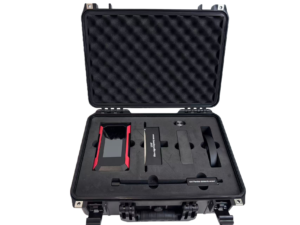
Click the picture to know more about Wrindu Comprehensive Partial Discharge Detection Equipment.
Accurate PD detection allows engineers to locate weak insulation zones before breakdown occurs. Preventive maintenance based on PD data greatly reduces unexpected outages.
What Happens When Internal Oil Pressure Drops?
Stable oil pressure keeps insulation layers tightly bonded and prevents void formation. Pressure loss may result from leakage, temperature change, or sealing problems. Low pressure increases discharge risk and accelerates insulation aging.
Continuous monitoring of oil pressure and condition helps avoid sudden oil filled cable failure. Fast repair restores dielectric stability and protects the cable system.
Why Do HV Oil Filled Cables Require Advanced Diagnostics?
Visual inspection alone cannot reveal hidden insulation damage. Modern diagnostics such as partial discharge testing, leakage current measurement, and oil analysis provide clear condition data.
Combining multiple diagnostic methods improves detection of HV cable defects and supports predictive maintenance planning. This approach reduces downtime and maintenance cost.
What Questions Do Engineers Commonly Ask About Oil Filled Cable Failure?
What is the most common failure cause?
Insulation aging. It creates the foundation for most cable faults.
Can partial discharge exist without visible damage?
Yes. PD often appears long before external signs.
Does pressure loss always mean leakage?
Not always. Temperature variation can also change pressure.
Why perform regular diagnostics on HV oil filled cables?
Regular testing finds hidden defects early and prevents sudden failure.
Wrindu Expert Review
Understanding insulation aging, partial discharge, and pressure loss helps prevent oil filled cable failure. Advanced diagnostics reveal hidden HV cable defects and guide timely maintenance. Utilities that apply routine testing achieve higher reliability, longer cable life, and safer power transmission.
