

What Are the Best Diagnostic Methods for Oil Filled Cable Systems?
Explore the best diagnostic methods for oil-filled cable systems, including DGA, IR testing, PD testing, and tan delta, to ensure early fault detection and reliable performance.
Oil-filled cable systems are critical in high-voltage environments, and ensuring their reliability is key. There are several diagnostic methods that help detect potential issues early, avoiding costly failures. The main diagnostic techniques include Dissolved Gas Analysis (DGA), Insulation Resistance (IR) testing, Partial Discharge (PD) testing, and tan delta measurements. Each method provides valuable insights into the condition of the cable, allowing for targeted maintenance.
How Does DGA Help in Diagnosing Oil-Filled Cables?
Dissolved Gas Analysis (DGA) is one of the most effective methods for detecting early signs of electrical faults in oil-filled cable systems. By analyzing the gases dissolved in the oil, you can identify problems such as:
-
Overheating: High temperatures produce gases like acetylene and ethylene.
-
Electrical Arcing: Gases like methane and ethane can be signs of electrical discharges or arcing.
-
Insulation Degradation: The presence of carbon monoxide and dioxide may indicate insulation breakdown.
DGA allows for early identification of issues and proactive maintenance, preventing major failures.
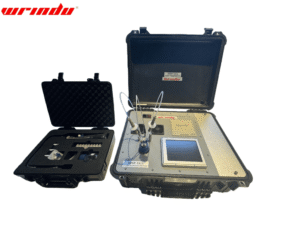
Click the picture to know more about Wrindu Portable Insulation Oil DGA Tester.
What Role Does Insulation Resistance (IR) Testing Play?
Insulation Resistance (IR) testing measures the resistance of the cable insulation to the flow of current. A drop in IR indicates potential degradation or moisture ingress. Regular IR testing helps assess the integrity of the insulation, ensuring that the cable continues to function safely.
Key Benefit: It provides a clear picture of the insulation condition and allows for predictive maintenance to prevent short circuits or failures due to weak insulation.
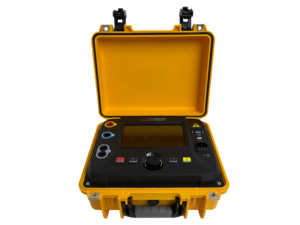
Click the picture to know more about Wrindu New IR Tester.
How Can Partial Discharge (PD) Testing Detect Cable Faults?
Partial Discharge (PD) testing is used to detect small, localized electrical discharges within the cable insulation. These discharges, while small, can cause significant damage over time, leading to complete cable failure if not addressed. PD testing provides:
-
Real-time diagnostics for insulation breakdown
-
Early detection of weak spots or air pockets within the insulation
-
The ability to monitor small defects before they grow into serious faults
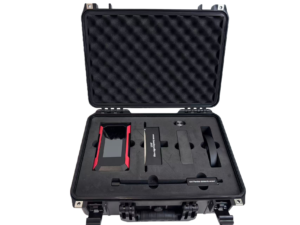
Click the picture to know more about Wrindu PD tester.
What Is Tan Delta Testing and How Does It Help?
Tan delta testing measures the loss of insulation resistance due to aging or contamination. It evaluates the dielectric properties of the insulation and determines if it’s deteriorating. A high tan delta value indicates insulation degradation, moisture, or contamination within the cable system.
-
Key Benefit: It’s highly effective for detecting aging insulation and moisture ingress, which can weaken the cable over time.
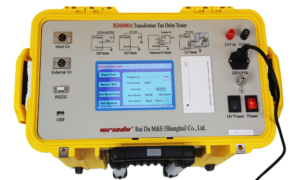
Click the picture to know more about Wrindu Tan Delta Tester.
What Is the Full Solution for Oil-Filled Cable Diagnostics?
While each diagnostic method has its strengths, a full diagnostic solution combines all of the techniques to give a comprehensive overview of the cable’s condition. By using DGA, IR, PD, and tan delta tests together, you can ensure that potential issues are detected early, ensuring reliable operation and minimizing the risk of failure.
Common Questions About Oil-Filled Cable Diagnostics
Q1: What’s the most important diagnostic method for oil-filled cables?
A1: DGA is often considered the most important for early fault detection, but a combination of methods provides a more complete picture of cable health.
Q2: How often should oil-filled cables be tested?
A2: The frequency depends on the age and criticality of the cable system. Typically, tests should be performed annually or in response to any signs of performance issues.
Q3: Can I rely on just one method to monitor oil-filled cables?
A3: While each method provides valuable insights, using a combination ensures a thorough assessment of cable health. This multi-method approach improves the accuracy of fault detection.
Q4: What happens if I don’t monitor my oil-filled cables regularly?
A4: Failure to monitor cables can lead to undetected issues, which may result in severe breakdowns, expensive repairs, or unplanned outages.
