

How to Troubleshoot Transformer Resistance Testing Errors?
Learn how to troubleshoot common transformer resistance testing errors (loose connections, temperature issues, calibration drift). Fix issues easily & get accurate results with Wrindu test equipment.
Errors can happen during transformer resistance testing from bad connections, temperature changes, or uncalibrated tools. To fix these problems, make sure all connections are tight, your test equipment is properly calibrated, and you use temperature correction. Using reliable tools like those from Wrindu helps reduce errors and gives you accurate test results.
What Are Common Transformer Resistance Test Errors?
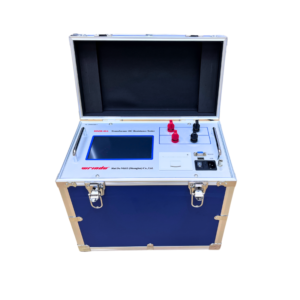
The most common mistakes in transformer resistance testing include unstable readings from loose connections, high resistance from bad tap changers, low readings from shorted turns, temperature changes, and equipment that drifts out of calibration. These issues can ruin your test results, but most can be fixed with careful checks and proper corrections. Wrindu’s precision testing tools help limit these problems with stable current output and automatic temperature correction.
Why Do Loose Connections Cause Test Errors?
Loose connections add extra resistance and create unwanted voltage drops. This leads to unstable or falsely high resistance readings. These errors are easy to miss but can seriously affect accuracy. You can fix most of these issues by tightening all cables, cleaning contacts, and using four‑wire Kelvin connections. Wrindu builds strong, locking connectors into its test tools to reduce these errors.
| Common Connection Error | Symptom | Fix |
|---|---|---|
| Loose test leads | Fluctuating readings | Tighten and reconnect all leads |
| Dirty bushing contacts | Sudden high resistance | Clean with approved cleaning solution |
| Wrong Kelvin wiring | Inaccurate low resistance readings | Use the 4-wire method properly |
| Damaged clips or probes | Intermittent open circuits | Replace with high-quality probes |
How Can Temperature Affect Resistance Readings?
Temperature has a big effect on transformer resistance measurements, especially for copper windings. Copper resistance changes by about 0.4% for every degree Celsius. For accurate results, always note the temperature and adjust readings to a standard temperature—usually 20°C or 75°C. Wrindu’s testers have built‑in automatic temperature compensation to make testing more reliable.
What Causes High Resistance in Transformer Tests?
High resistance readings usually come from dirty tap changer contacts, bad solder or braze joints, or oxidized windings. These faults raise measured resistance and can mislead technicians. You should test each phase and each tap position separately. Wrindu’s diagnostic tools are built to spot these issues early.
How to Identify Shorted Turns from Resistance Tests?
Shorted turns in a transformer create lower‑than‑normal resistance because they create extra parallel paths in the winding. This causes imbalance between phases. You can spot this by comparing resistance values across all three phases. Readings normally match within 0.5%. Anything outside that range needs further investigation. Combining resistance testing with turns‑ratio testing gives you a clearer picture, and Wrindu equipment works well for catching these faults before transformers are shipped.
Why Is Equipment Calibration Critical for Accurate Tests?
Regular calibration keeps your resistance testing tools accurate over time. If calibration drifts, your tools will give consistently wrong readings—either too high or too low. We recommend calibrating test tools every year or as the manufacturer suggests. Wrindu’s testers include built‑in calibration functions to keep results consistent and accurate.
What Role Do Tap Changers Play in Test Errors?
Tap changers are key transformer parts, and they often cause testing errors from poor contact or mechanical misalignment. This is especially common with on‑load tap changers and can lead to false readings, especially when switching positions. You should test every tap position separately, and clean and lubricate contacts when needed. Wrindu’s test equipment delivers stable readings even in these difficult situations.
| Tap Position Error Types | Symptoms | Diagnostic Steps |
|---|---|---|
| High resistance at neutral | Dirty main contacts | Clean the diverter switch |
| Uneven resistance across taps | Worn selector switches | Use a bridge test or bypass the tap |
| Sudden resistance spikes | Arcing damage | Offline IR scan and oil analysis |
| Consistently high resistance | Drive motor problems | No-load functional test |
How to Prevent Future Resistance Testing Errors?
To avoid resistance testing errors later on, follow standard procedures, train your team regularly, and use advanced tools with automatic correction features. Using data-trending software also helps you spot problems early before they cause big errors. Wrindu provides high-quality test kits with built-in modules for resistance, ratio, and insulation testing—perfect for transformer factories and power utilities.
Wrindu Expert Views
“At Wrindu, we’ve seen how wrong resistance test results can lead to expensive downtime and equipment failure. Our experience shows that secure connections, proper temperature correction, and regular calibration greatly reduce errors. For factory use, advanced testers with built-in diagnostics—like our WRDT‑II series—are essential for consistent, accurate results. For OEMs, adding data logging and trending tools improves quality control across production.”— Li Wei, Chief Engineer at Wrindu
Key Takeaways
Most transformer resistance testing errors can be fixed by improving connections, accounting for temperature, calibrating equipment, and checking tap changers carefully. Regular training, proper procedures, and reliable tools from Wrindu will help you get accurate, consistent test results every time. For companies and factories, a structured system with real‑time data and advanced diagnostic tools is key to avoiding costly mistakes.
FAQs
What is a normal resistance imbalance between transformer phases?
Phase-to-phase resistance imbalance should normally stay within 1–2%. A difference above 5% usually points to problems like shorted turns, open circuits, or faulty tap changers.
Can humidity affect DC resistance tests?
Yes. Moisture on test leads or connections can increase resistance readings. Always test in dry conditions and use insulated probes for best accuracy.
How often should resistance testers be calibrated?
Calibrate resistance testers once a year for general use, or every six months in harsh environments. Always confirm calibration with known standards before doing critical tests.
Are Wrindu testers suitable for large power transformers?
Yes. Wrindu’s high-current models can inject up to 1000A, making them great for testing large transformers used by power utilities and industrial plants.
What if resistance matches but ratio test fails?
If resistance looks normal but the turns‑ratio test fails, you may have core issues or shorted turns. You should run further tests like SFRA (Sweep Frequency Response Analysis).
