

Transformer Arcing: Causes, Risks, and Effective Prevention Methods
Learn what transformer arcing is, its main causes, risks, and how to prevent arc faults in power transformers. Discover detection methods such as DGA, partial discharge monitoring, and predictive maintenance strategies to improve transformer reliability and safety.
Transformer arcing is one of the most serious electrical faults that can occur in power systems. If it is not detected early, it can damage equipment, stop production, and even cause fires or explosions. For utilities, manufacturers, and industrial plants, understanding how transformer arcing occurs and how to prevent it is essential for maintaining reliable power systems and protecting valuable assets.
What Is Transformer Arcing?
Transformer arcing occurs when electricity jumps across a gap where it should not. This usually happens when insulation inside the transformer becomes weak or damaged. Moisture, contamination, mechanical stress, or aging insulation can reduce the insulating strength and allow an electrical discharge to occur.
When an arc forms, it releases a large amount of energy in a very short time. The discharge produces extremely high temperatures, ionized gases, and localized burning inside the transformer. In severe situations, arc flashes may lead to explosions or complete transformer failure, which can shut down an entire substation.
Causes and Mechanisms of Transformer Arc Faults
Transformer arc faults usually develop because of several underlying problems.
One common cause is insulation aging. Over time, insulation materials gradually degrade, especially when exposed to heat, electrical stress, and moisture.
Another important factor is poor oil condition. If transformer oil is not properly maintained, gases may accumulate and reduce the oil’s dielectric strength.
Other possible causes include:
-
Loose internal electrical connections
-
Transformer overloading
-
Manufacturing defects
-
Mechanical vibration or movement inside the winding structure
Partial discharge inside the winding insulation can also create small hot spots. As these hot spots grow, they may eventually develop into full electrical arcs.
External environmental conditions may also increase the risk. High humidity, dust contamination, and elevated operating temperatures all contribute to insulation deterioration.
In addition, switching surges, lightning strikes, or poor voltage regulation can create electrical stress that lowers insulation breakdown strength and triggers arc formation.
How Arcing Affects Transformer Performance
When arcing occurs inside a transformer, the damage can be immediate and severe.
The arc produces extremely high temperatures that can burn insulation paper and break down transformer oil. During this process, several combustible gases may be generated, including hydrogen, acetylene, and methane.
These chemical reactions weaken the insulating system and accelerate thermal aging. As a result, the transformer becomes more vulnerable to flashovers, internal faults, or even tank rupture.
In power utilities and industrial networks, even a brief arc event can lead to:
-
Increased power losses
-
Voltage instability
-
Expensive repairs
-
Long equipment downtime
Because of these risks, early detection and prevention are critical.
Arc Detection Technologies and Monitoring Systems
Modern transformer protection systems use advanced monitoring technologies to detect early warning signs of arc faults.
One of the most widely used techniques is Dissolved Gas Analysis (DGA). This method analyzes gases dissolved in transformer oil to identify abnormal electrical activity.
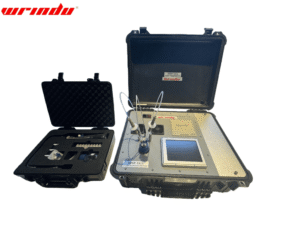
Click to know more about Wrindu Portable DGA Tester.
Other detection technologies include:
-
Partial discharge sensors that detect electrical discharge signals
-
Infrared thermal imaging to identify hot spots
-
Online condition monitoring systems that track transformer health in real time
By analyzing gas composition, temperature changes, and electrical transients, engineers can detect developing faults before serious damage occurs.
Optical arc detection sensors and acoustic monitoring systems can also identify internal discharge events very quickly. When combined with IoT monitoring platforms and predictive analytics, these tools allow maintenance teams to move from reactive repairs to predictive maintenance.
Company Insight on Electrical Testing and Safety
Wrindu, officially known as RuiDu Mechanical and Electrical (Shanghai) Co., Ltd., is a global manufacturer of power testing and diagnostic equipment. Established in 2014, the company focuses on developing high-voltage testing solutions for transformers, circuit breakers, and insulation systems.
Through continuous investment in research and development, Wrindu provides advanced testing instruments that help engineers detect faults quickly and improve electrical safety in power systems worldwide.
Practical Methods to Prevent Transformer Arcing
Preventing transformer arcing requires careful attention during design, installation, and maintenance.
Some important preventive measures include:
-
Using high-quality insulation materials
-
Maintaining proper electrical clearances
-
Keeping transformer oil clean and dry
-
Performing regular dissolved gas analysis tests
Manufacturers should also implement load management programs to prevent overheating caused by excessive loading.
During assembly, internal electrical connections must be properly tightened to avoid loose joints that may generate arcs.
Additional protection devices can further reduce risk, such as:
-
Surge arresters
-
Voltage grading shields
-
Advanced insulation coatings
Many modern transformers also include vacuum on-load tap changers and arc suppression coils, which help reduce the chance of electrical discharges.
In transformer manufacturing plants, advanced coil winding equipment, vacuum impregnation systems, and partial discharge testing during production help eliminate insulation defects before delivery.
Market Trends and Industry Developments
As power grids become more complex and renewable energy integration increases, the demand for transformer monitoring and arc prevention technologies continues to grow.
Industry reports from 2025 indicate that the market for transformer condition monitoring systems is expected to grow by more than 15% per year.
Utilities are increasingly adopting smart substations, cloud-based monitoring systems, and artificial intelligence tools to improve asset management and prevent unexpected failures.
These technologies allow operators to monitor multiple transformers across different locations and evaluate arc risk more accurately.
Comparison: Traditional vs Smart Transformer Systems
| Feature | Conventional Transformer | Smart Transformer with Arc Prevention |
|---|---|---|
| Fault Detection | Manual inspection | Real-time monitoring |
| Response Speed | Reactive after failure | Early predictive detection |
| Maintenance Cost | High | Lower long-term cost |
| Expected Service Life | 20–25 years | 30+ years |
Real Industry Examples and Economic Benefits
Utilities that implement advanced arc monitoring systems often see major operational improvements.
Some companies have reported:
-
40% fewer unexpected outages
-
30% longer transformer service life
One power distribution company saved over $1 million annually after installing real-time arc monitoring combined with DGA analysis.
Industrial facilities such as steel plants or chemical factories also benefit from these systems because they reduce downtime and improve operational safety.
Technology Innovations in Transformer Materials
New insulation materials are helping reduce the risk of internal arcing.
For example, nanocomposite insulation materials provide better thermal stability and stronger dielectric performance.
Another improvement is the use of natural ester transformer fluids, which offer higher moisture tolerance and better environmental performance compared with traditional mineral oil.
These materials reduce gas bubble formation and lower the probability of internal discharge.
Combined with intelligent protection relays and advanced monitoring systems, these technologies create a stronger defense against transformer faults.
Future Outlook
In the future, transformer arc prevention will rely more heavily on digital technology and automation.
Artificial intelligence will help analyze fault patterns in real time and predict potential failures before they happen.
IoT monitoring networks and cloud-based analytics will allow utilities to monitor transformer fleets across multiple locations.
At the same time, environmental regulations are encouraging the use of biodegradable insulating fluids and sustainable transformer designs.
Manufacturers that invest in advanced diagnostics, smart monitoring systems, and modern insulation materials will lead the next generation of high-voltage equipment development.
Ensuring transformer safety through effective arc prevention is not only about reliability—it also reduces costs, improves sustainability, and supports the growing demand for reliable electricity worldwide.
Frequently Asked Questions
What Causes Transformer Arcing?
Transformer arcing usually happens when insulation breaks down due to aging, moisture, contamination, or excessive electrical stress. Loose connections, manufacturing defects, and voltage surges can also contribute to arc formation.
Can Harmonics Cause Transformer Arcing?
Yes. Harmonics distort electrical waveforms and increase heating in transformer windings. Over time, this additional thermal stress weakens insulation and increases the risk of arcing. Harmonic filters and specially designed transformers can help reduce this problem.
Can Partial Discharge Lead to Transformer Arcing?
Partial discharge often appears before full arcing develops. It occurs in small insulation defects and gradually damages the insulating material until a larger electrical arc forms.
Can Transformer Overloading Cause Arcing?
Yes. When a transformer operates above its rated capacity, winding temperatures rise. High temperature accelerates insulation aging, which increases the possibility of arc faults.
How Can Transformer Arcing Be Prevented?
Regular oil testing, proper insulation maintenance, surge protection, and routine thermal inspections help prevent arcing. Advanced diagnostic tools and monitoring systems also allow engineers to detect early warning signs.
What Are Effective Transformer Arc Prevention Techniques?
Important techniques include improved insulation design, vacuum impregnation during manufacturing, real-time monitoring systems, and proper harmonic and overload protection.
What Maintenance Practices Help Avoid Arcing?
Routine inspections, dielectric testing, oil analysis, and proper load management help reduce arc risks. Keeping transformers clean and dry is also essential.
What Advice Do Manufacturers Give to Prevent Arcing?
Manufacturers recommend high-quality winding design, advanced insulation materials, strict factory testing, and reliable diagnostic equipment to ensure transformer safety before installation.
