

Difference Between AC and DC Withstand Voltage Tests
Learn the difference between AC and DC withstand voltage tests. Explore insulation testing, AC/DC test uses, and best practices for reliable electrical equipment.
AC and DC withstand voltage tests are both used to check whether electrical insulation is strong enough to handle high voltage. The main difference is the type of voltage used. An AC withstand test applies alternating voltage that constantly changes direction, while a DC withstand test applies a steady direct voltage. Although both methods evaluate insulation strength, they reveal different types of insulation problems and are used in different situations.
What Is an AC Voltage Withstand Test?
An AC voltage withstand test applies a high alternating voltage to electrical equipment for a short period of time. The goal is to confirm that the insulation can tolerate voltage stress without breaking down.
During the test, the voltage usually ranges from 1.5 to 2 times the rated operating voltage and is applied for about 1 to 10 minutes. Because the voltage polarity continuously reverses, the insulation experiences repeated electrical stress similar to real operating conditions.
This type of test is useful for detecting insulation weaknesses related to aging, dielectric loss, or material defects. It is widely used for equipment that normally operates under alternating voltage, such as transformers, motors, and switchgear.
Modern AC withstand testers, such as those used by manufacturers like Wrindu, provide stable output and accurate control, making them suitable for factory testing and quality assurance.
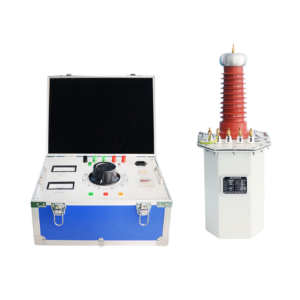
Click the picture to know more about AC Voltage Withstand Tester.
What Is a DC Voltage Withstand Test?
A DC voltage withstand test uses a constant direct voltage instead of an alternating one. This test checks whether insulation can remain stable under a steady high-voltage condition.
In many cases, the applied voltage is 2 to 3 times the rated operating voltage. During the test, engineers observe the leakage current. If the insulation contains problems such as moisture, contamination, or small cracks, the leakage current will increase and reveal the defect.
Since DC voltage does not change direction, the electrical stress on the insulation is more uniform. This makes the DC test less destructive than AC testing while still effective for detecting localized insulation issues.
DC withstand testing is commonly used for power cables, capacitors, and high-voltage components.
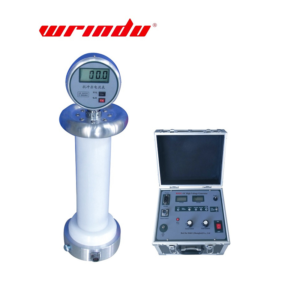
Click the image to know more about Wrindu DC Withstand Volatge Tester.
Why Are Both Tests Important?
AC and DC withstand tests serve different purposes, and using both provides a more complete evaluation of insulation performance.
-
AC tests simulate the real operating conditions of equipment connected to alternating power systems.
-
DC tests help detect localized insulation defects and stability issues under constant voltage.
By combining both methods, engineers can identify more types of insulation weaknesses before equipment is put into service. For this reason, many manufacturers and testing laboratories include both tests in their inspection procedures.
Companies such as Wrindu often integrate AC and DC withstand tests into factory quality control to ensure electrical equipment meets international safety standards.
Industries That Use Withstand Voltage Testing
Many industries rely on insulation testing to guarantee equipment safety and reliability. Some of the most common sectors include:
-
Power generation and power transmission
-
Electrical equipment manufacturing
-
Telecommunications infrastructure
-
Industrial automation systems
-
Electric vehicle and battery industries
AC testing is typically used for transformers, motors, and switchgear, while DC testing is often applied to cables, capacitors, and electronic components.
Differences in Test Conditions and Results
AC and DC withstand tests differ in how voltage is applied and how insulation responds during the test.
| Feature | AC Withstand Voltage Test | DC Withstand Voltage Test |
|---|---|---|
| Voltage Type | Alternating (sinusoidal) | Direct and constant |
| Typical Test Voltage | 1.5–2 × rated voltage | 2–3 × rated voltage |
| Test Duration | 1–10 minutes | Often longer |
| Current Behavior | Fluctuating with voltage cycle | Stable leakage current |
| Impact on Insulation | Higher electrical stress | Generally less destructive |
| Detectable Problems | Insulation aging, dielectric loss | Moisture, contamination, localized defects |
| Common Applications | Transformers, motors, switchgear | Power cables, capacitors |
When Are These Tests Performed?
Manufacturers perform AC and DC withstand tests at several stages of the product lifecycle:
-
Product development
-
Factory quality inspection
-
Pre-shipment testing
-
Routine maintenance testing
By testing insulation strength before equipment is delivered, manufacturers can significantly reduce failures in the field.
Many Chinese OEM factories, including Wrindu, use automated testing systems to verify insulation integrity and ensure products meet customer specifications and certification requirements.
Can Withstand Voltage Testing Be Customized?
Yes. Testing systems can be adjusted to meet different product requirements. Manufacturers often customize:
-
Test voltage range
-
Test duration
-
Data recording and monitoring functions
-
Leakage current measurement sensitivity
These customized solutions allow testing equipment to match specific insulation materials, voltage classes, or industrial applications.
Wrindu Expert Review
Understanding the difference between AC and DC withstand voltage tests is essential for anyone involved in electrical equipment manufacturing, testing, or maintenance.
AC tests simulate real alternating voltage conditions and help evaluate insulation durability. DC tests focus on insulation stability and can reveal localized defects through leakage current analysis. When both methods are used together, they provide a more complete picture of insulation health.
By applying these tests during manufacturing and maintenance, companies can improve product safety, reliability, and compliance with international standards. Advanced testing solutions from manufacturers such as Wrindu help ensure that electrical equipment performs safely in demanding operating environments.
