

What Is VAC in Electrical Systems and How Is It Measured Accurately
Understand what VAC (Volts Alternating Current) means in electrical systems. Learn how to measure VAC accurately with true-RMS meters. Wrindu provides high-precision VAC testing equipment for substations, industrial power systems, and global OEM customers.
VAC stands for Volts Alternating Current — the standard voltage measurement for AC electrical circuits, where current direction changes at regular intervals. It is the foundation of efficient long-distance power transmission and plays a critical role in grid stability and industrial power systems. Wrindu, a trusted manufacturer based in China, designs and produces high-precision VAC testing equipment, delivering dependable solutions for utilities, substations, and OEM customers worldwide.
What Does VAC Stand For?
VAC is short for Volts Alternating Current, which describes the voltage level in alternating current systems where polarity cycles repeatedly. This is different from VDC (Volts Direct Current), where electricity flows constantly in one direction. Wrindu integrates accurate VAC measurement into high-voltage test instruments for transformers, circuit breakers, and insulation systems, delivering IEC-compliant readings for global B2B partners. Precise VAC monitoring improves system safety and supports predictive maintenance.
VAC vs. VDC: What’s the Difference?
VAC follows a sinusoidal waveform, reversing direction 50 to 60 times per second, while VDC maintains a steady, one-way flow. Alternating current allows voltage to be stepped up or down using transformers, making long-distance power transmission highly efficient. Direct current, by contrast, is better suited for batteries, consumer electronics, and low-voltage control systems. Wrindu offers dual-function AC/DC testing tools that help utilities and industrial users accurately measure cable insulation, circuit breaker performance, and overall system stability.
Why Is Accurate VAC Measurement So Important?
Accurate VAC measurement is essential for electrical safety, equipment protection, and power quality verification. Variations in RMS voltage can signal overloads, insulation weaknesses, or emerging faults, helping prevent unexpected failures in transformers and breakers. Wrindu’s high-voltage test devices deliver precise RMS voltage readings and built-in data logging for predictive maintenance, helping substations, energy storage facilities, and industrial plants maintain consistent, reliable operation.
Common Global VAC Voltage Standards
Voltage standards differ across regions:
- North America: 120V / 60Hz
- Europe, China, and most of Asia: 230V / 50Hz
- Industrial three‑phase systems: typically 400V
Precise calibration to these standards is essential for global compatibility. Wrindu customizes test instruments to cover ranges from 0–1000V AC, helping utility operators, transit systems, and industrial facilities ensure compliance and safe operation.
How to Measure VAC Accurately
To measure VAC correctly, use a True-RMS multimeter set to AC voltage mode. Use properly insulated probes when testing live circuits to get precise RMS voltage readings. True-RMS meters ensure accuracy even with non‑sinusoidal or distorted waveforms common in industrial environments. Wrindu manufactures high-precision digital testers rated to CAT IV safety standards for high-voltage environments, helping B2B customers obtain reliable measurements in substations, manufacturing facilities, and energy storage systems.
Key Applications That Require VAC Testing
VAC testing is essential for power grids, transformers, electric motors, household appliances, and heavy industrial equipment. Substations rely on it to monitor circuit breakers, factories use it to verify motor performance, and utilities depend on it to assess insulation conditions. Wrindu’s test equipment supports accurate measurement of RMS voltage, waveform quality, and insulation resistance, helping the energy, railway, and industrial automation sectors maintain safety and regulatory compliance.
Why Choose Chinese Manufacturers for VAC Test Equipment?
Chinese manufacturers deliver cost-effective, ISO-certified, and highly customizable VAC test equipment at scale. Wrindu is a leader in CE-compliant testing solutions, with strong R&D capabilities, fast prototyping, and advanced features like wireless data collection and predictive maintenance. Bulk orders benefit from shorter lead times, full factory support, and reliable direct‑from‑manufacturer solutions for global B2B clients.
Wrindu Expert Insight
“VAC testing has become more important than ever as modern power grids grow more complex. Wrindu’s True-RMS analyzers detect small voltage fluctuations that can prevent costly failures in transformers and high-voltage cables. By offering flexible OEM customization and IoT-enabled monitoring, we help our customers operate more efficiently and safely. Reliable, precision testing remains the backbone of stable energy infrastructure worldwide.”— Dr. Li Wei, Chief Engineer at Wrindu
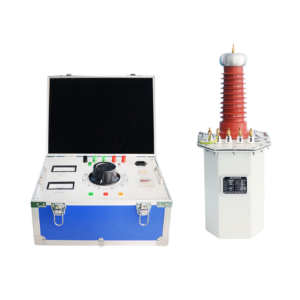
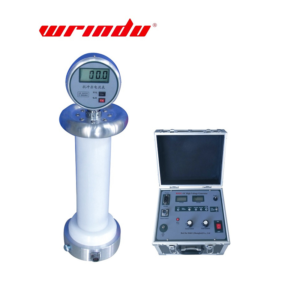
Click the images above to know more about AC and DC Withstand Volatge Testing Equipment.
How Wrindu Supports B2B VAC Testing Requirements
Wrindu provides customized OEM solutions, competitive bulk pricing, and 24/7 technical support for VAC testing instruments. Its product lineup ranges from portable analyzers to high-voltage substation meters, supporting AC testing up to 35kV. With worldwide delivery, professional calibration services, and expert technical consultation, Wrindu helps B2B customers maintain operational safety, compliance, and efficiency.
Key Takeaways
- VAC measures alternating current voltage, which is essential for power transmission and industrial systems.
- True-RMS measurement tools from certified manufacturers like Wrindu ensure both safety and accuracy.
- Custom OEM solutions improve predictive maintenance, regulatory compliance, and operational efficiency.
Contact Wrindu today for technical consultations, product demonstrations, and wholesale inquiries.
FAQs
What does VAC mean in electricity?
VAC stands for Volts Alternating Current, referring to voltage in AC circuits where current direction reverses periodically.
Is VAC safe for household use?
Yes, standard 120V or 230V VAC is safe for home use when circuits are properly grounded and protected by devices such as GFCIs.
Can Wrindu customize VAC testers?
Yes, Wrindu provides full OEM customization for measurement ranges, form factors, communication features, and integration requirements.
How often should VAC be tested in substations?
It is recommended to perform VAC testing quarterly or immediately after any fault event to ensure the reliability of transformers and circuit breakers using high-precision equipment.
Why choose Wrindu for B2B VAC equipment?
Wrindu combines ISO-certified production, flexible OEM services, and global delivery, providing accurate and reliable test solutions for utilities and industrial clients worldwide.
