

Do You Know About Low-Temperature Failure Risks in Transformer Systems
Explore how low temperatures impact transformer oil performance, causing viscosity increase, wax formation, and cooling failure. Learn risks, warning signs, and prevention methods.
Transformer systems operating in cold climates face unique challenges that are often underestimated. Low temperatures can significantly affect transformer oil viscosity, flow behavior, and insulation performance, increasing the risk of overheating, poor cooling, and even system failure.
Understanding these risks is essential for utilities and industrial operators working in regions with seasonal or extreme cold conditions.
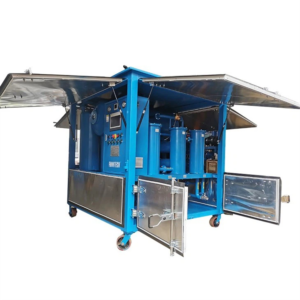
Click the image to know more about High Efficiency Vacuum Pump Oil Filter.
Why Are Low Temperatures a Risk for Transformer Systems?
Low temperatures directly affect transformer oil behavior and system performance.
What changes occur in cold environments?
- Oil viscosity increases
- Flowability decreases
- Wax crystals may form
- Cooling circulation becomes restricted
👉 These changes reduce the transformer’s ability to dissipate heat effectively.
How Does High Viscosity Affect Cooling Performance?
Transformer oil must circulate freely to transfer heat away from windings.
What happens when viscosity increases?
- Slower oil circulation
- Reduced convection cooling
- Heat accumulation inside the transformer
What is the result?
- Localized overheating
- Accelerated insulation aging
- Reduced load capacity
👉 Poor oil flow is one of the most common causes of cold-climate transformer stress.
Can Wax Formation Block Oil Circulation?
Yes. At low temperatures, paraffin components in oil can crystallize.
What is the effect of wax formation?
- Formation of solid particles
- Blockage of narrow oil channels
- Reduced radiator efficiency
👉 Wax formation is closely linked to cloud point performance of oil.
How Do Low Temperatures Impact Insulation Performance?
Cold conditions affect more than just oil flow—they also influence insulation behavior.
Key effects include:
- Reduced dielectric flexibility
- Increased mechanical stress on solid insulation
- Higher risk of partial discharge under load changes
👉 Thermal imbalance can gradually weaken the entire insulation system.
What Are the Early Warning Signs of Low-Temperature Failure?
Low-temperature issues often develop gradually.
Warning indicators:
- Slower transformer cooling response
- Abnormal temperature gradients
- Reduced oil circulation sound or flow activity
- Increased load sensitivity
👉 These signs often appear before actual system failure occurs.
How Can Low-Temperature Risks Be Prevented?
Preventive strategies are essential for reliable operation.
Effective methods:
- Use oil with low pour point and low cloud point
- Install oil heating or circulation assistance systems
- Improve transformer sealing to prevent moisture ingress
- Conduct seasonal maintenance checks
👉 Proper design and maintenance significantly reduce cold-climate risks.
How Wrindu Testers Stand Out?
Wrindu transformer oil testing solutions help detect low-temperature performance issues before they lead to system failure.
✔ Accurate Low-Temperature Oil Analysis
Wrindu testers support evaluation of:
- Pour point behavior
- Moisture content
- Dielectric strength (BDV)
✔ Early Risk Detection
Identify oil degradation trends that affect cold performance.
✔ Field-Ready Testing
Enable fast diagnostics in real operating environments.
✔ Support for Preventive Maintenance
Help operators plan maintenance before winter or cold seasons.
👉 Wrindu testers provide data-driven insights for cold-climate reliability management.
FAQs: Low-Temperature Failure Risks in Transformer Systems
Q1: Why do transformers fail more often in cold weather?
A: Because low temperatures increase oil viscosity and reduce circulation efficiency, leading to poor cooling performance.
Q2: What is the main effect of low temperature on transformer oil?
A: It increases viscosity and may cause wax formation, reducing oil flow and heat transfer.
Q3: Can transformer oil freeze in extreme cold?
A: Transformer oil does not freeze easily, but it can become too viscous to flow properly.
Q4: How does low temperature affect transformer lifespan?
A: It increases thermal stress and insulation aging due to inefficient cooling.
Q5: What oil properties are important for cold climates?
A: Low pour point, low cloud point, and stable viscosity are essential.
Q6: How often should transformers be tested in cold regions?
A: More frequent testing is recommended before and during winter seasons.
Conclusion
Low-temperature conditions introduce serious operational risks for transformer systems by affecting oil flow, cooling efficiency, and insulation stability. Without proper preparation, these issues can lead to overheating, reduced performance, and unexpected failures.
Through proper oil selection, preventive maintenance, and advanced testing, operators can ensure stable and reliable transformer operation even in extreme cold environments.
