

How Do Low Temperatures Affect Transformer Oil
Learn how to choose the right transformer oil for cold climates. Explore pour point, viscosity, and oil types to ensure reliable performance, efficient cooling, and safe operation in low temperatures.
Cold climates can significantly change how transformer oil behaves. When temperatures drop, oil becomes thicker, flows more slowly, and may even form wax crystals. This can reduce cooling efficiency and increase the risk of insulation failure.
If the oil cannot circulate properly, the transformer may overheat—even in cold weather.
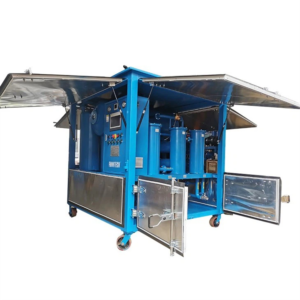
Click the image to know more about High Efficiency Vacuum Pump Oil Filter.
Why Is Oil Selection Important in Cold Regions?
Choosing the right oil is critical in cold environments because not all oils perform well at low temperatures.
A suitable transformer oil should:
- Maintain good flow at low temperatures
- Resist wax formation
- Provide stable insulation performance
- Support reliable startup in cold conditions
Using the wrong oil can lead to slow startup, poor heat dissipation, and long-term damage.
What Is Pour Point and Why Does It Matter?
The pour point is the lowest temperature at which oil can still flow.
- Oils with a high pour point may become too thick or stop flowing in winter
- Oils with a low pour point remain fluid and ensure proper cooling
For cold climates, selecting oil with a low pour point is essential for safe transformer operation.
Which Types of Oil Perform Best in Cold Climates?
Different transformer oils behave differently in low temperatures:
Mineral Oil
- Widely used and cost-effective
- May form wax crystals at low temperatures
- Limited performance in extreme cold
Synthetic Ester Oil
- Better low-temperature fluidity
- Higher moisture tolerance
- More stable under harsh conditions
Natural Ester Oil
- Environmentally friendly
- Moderate cold performance
- May require additives for very low temperatures
In extremely cold regions, synthetic ester oil is often the preferred choice.
How Does Viscosity Impact Cold Weather Performance?
Viscosity refers to how thick or thin a fluid is.
- At low temperatures, oil viscosity increases
- High viscosity reduces oil circulation
- Poor circulation leads to inefficient cooling
Low-viscosity oils are better for cold climates because they maintain proper flow even in freezing conditions.
What Problems Can Occur with the Wrong Oil?
Using unsuitable oil in cold climates can cause:
- Difficult transformer startup
- Reduced cooling efficiency
- Increased internal temperature
- Insulation stress and aging
- Risk of equipment failure
These issues can lead to costly downtime and maintenance.
How Can You Test Oil Performance in Cold Conditions?
Regular testing ensures that oil remains suitable for cold environments.
Important tests include:
- Pour point testing
- Viscosity measurement
- Breakdown voltage (BDV) testing
- Moisture content analysis
These tests help identify whether the oil can still perform reliably in low temperatures.
How Wrindu Testers Stand Out
Wrindu provides advanced testing equipment designed to evaluate transformer oil performance in extreme conditions.
Key advantages:
- Accurate pour point and viscosity testing
- Reliable BDV measurement for insulation strength
- Easy operation for both field and laboratory use
- Durable design for harsh environments
With Wrindu testers, engineers can confidently select and maintain the right oil for cold climates.
What Are Best Practices for Cold Climate Operation?
To improve transformer reliability in cold regions:
- Use oil with a low pour point
- Perform regular oil testing and monitoring
- Preheat transformers before startup if needed
- Ensure proper sealing to prevent moisture ingress
- Schedule maintenance before winter seasons
These steps help reduce risks and extend equipment life.
FAQs About Transformer Oil in Cold Climates
What is the best transformer oil for cold climates?
Synthetic ester oil is often the best choice due to its excellent low-temperature performance and stability.
Why does transformer oil thicken in winter?
Low temperatures increase viscosity and can cause wax formation, reducing flow.
Can mineral oil be used in cold climates?
Yes, but it may require additives or special grades to perform well in very low temperatures.
How do you check if oil is suitable for cold weather?
By testing pour point, viscosity, and insulation properties.
Does cold weather affect transformer lifespan?
Yes. Poor oil performance in cold conditions can lead to overheating and insulation damage, reducing lifespan.
Final Thoughts
Selecting the right transformer oil for cold climates is essential for reliable operation. By understanding key factors like pour point, viscosity, and oil type—and using proper testing equipment—you can ensure safe and efficient performance even in extreme temperatures.
