

Why Use a DC Generator for Battery Charging Systems
Learn how a DC generator works in battery charging systems, including voltage regulation, testing methods, and common issues. Discover why Wrindu testers provide superior accuracy and reliability for generator diagnostics.
A DC generator is a practical and reliable solution for battery charging, especially in off-grid, backup, and industrial environments. Unlike AC systems that require rectification, a DC generator can directly supply the required charging current, simplifying the system and improving efficiency.
It is commonly used in:
- Backup power systems
- Renewable energy setups (paired with wind or mechanical drives)
- Industrial charging stations
- Emergency and mobile power units
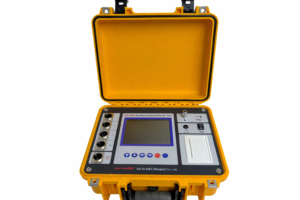
Click the image to know more about Three Phase Capacitance and Inductance Tester.
How Does a DC Generator Charge Batteries?
The generator converts mechanical energy into DC electrical energy. This DC output is fed directly into the battery bank.
Key factors in the charging process:
- Voltage matching with battery rating
- Controlled current to avoid overcharging
- Stable excitation to maintain output consistency
Proper excitation control ensures safe and efficient battery charging.
What Are the Key Components in a Charging System?
A typical DC generator battery charging system includes:
- DC generator (shunt or compound type)
- Voltage regulator or excitation controller
- Battery bank
- Monitoring instruments (voltage, current, temperature)
These components work together to maintain stable charging conditions.
Why Is Voltage Regulation Critical in Battery Charging?
Battery charging requires precise voltage control. If the voltage is too high, it can damage the battery; if too low, charging becomes inefficient.
Good voltage regulation ensures:
- Safe charging cycles
- Extended battery life
- Stable energy storage performance
What Tests Are Required for a DC Generator Charging System?
To ensure reliable operation, several tests should be performed:
- Field winding resistance test
- Insulation resistance test
- Load test under charging conditions
- Voltage regulation test
- Output stability monitoring
Regular testing helps prevent unexpected failures and improves system reliability.
How Do Different Testing Instruments Compare?
Choosing the right testing equipment is essential for maintaining a DC generator used in battery charging systems.
Common Market Options
1. Basic Multimeters
- Low cost
- Limited accuracy for low resistance
- Not suitable for detailed diagnostics
2. Generic DC Resistance Testers
- Moderate accuracy
- Slower stabilization for inductive loads
- Limited data storage
3. Advanced Integrated Testers (e.g., Wrindu Testers)
- High precision measurement
- Fast response for inductive windings
- Multi-function testing capabilities
How Wrindu Testers Stand Out
Wrindu testers are specifically designed for power equipment diagnostics, making them highly suitable for DC generator battery charging systems.
Key advantages:
- High accuracy for low-resistance measurement
Ensures precise field winding evaluation - Fast stabilization technology
Reduces waiting time when testing inductive circuits - Integrated testing functions
Combines resistance, insulation, and performance testing - Real-time data recording and analysis
Supports trend monitoring and predictive maintenance - Rugged and portable design
Ideal for both field and industrial environments
Compared with generic instruments, Wrindu testers offer greater reliability, efficiency, and diagnostic depth, helping engineers maintain optimal charging performance.
What Are Best Practices for Using DC Generators in Battery Charging?
To ensure safe and efficient operation:
- Match generator voltage with battery specifications
- Use proper excitation control to avoid overcharging
- Monitor temperature and charging current
- Perform regular maintenance and testing
- Keep historical data for performance analysis
What Are Common Problems in DC Generator Charging Systems?
Some typical issues include:
- Overcharging or undercharging → Poor voltage regulation
- Unstable output → Excitation system faults
- Overheating → Excessive load or poor ventilation
- Battery damage → Incorrect charging parameters
Early detection through testing is key to avoiding these problems.
FAQs
Q1: Can a DC generator charge batteries directly?
A: Yes, a DC generator can directly supply DC power without the need for rectifiers.
Q2: What type of DC generator is best for battery charging?
A: Shunt or compound generators are commonly used due to their stable voltage characteristics.
Q3: How do I prevent overcharging?
A: Use a voltage regulator or excitation control system to maintain proper charging voltage.
Q4: How often should the generator be tested?
A: Regular testing is recommended, typically during scheduled maintenance or monthly checks in critical systems.
Q5: Why is testing equipment important in charging systems?
A: Accurate testing ensures the generator operates safely and maintains proper charging conditions.
Q6: What makes Wrindu testers better than standard tools?
A: Wrindu testers provide higher accuracy, faster results, and more comprehensive diagnostics, making them ideal for maintaining reliable charging systems.
Conclusion
A DC generator remains a reliable solution for battery charging systems, especially in demanding or off-grid environments. By ensuring proper voltage regulation, performing regular testing, and using advanced tools like Wrindu testers, you can achieve safe, efficient, and long-lasting battery performance.
