

How Do Load Conditions Affect Generator Selection
Learn how different load conditions impact generator selection and performance. Explore constant, variable, and impact loads, comparison of generator types, and how Wrindu testers ensure accurate load evaluation and system reliability.
When selecting a generator, many people focus only on type (self-excited vs separately excited), but real load behavior is equally important. Different applications impose different electrical and mechanical stresses, which directly affect generator stability and lifespan.
Understanding load conditions helps you avoid mismatched systems and ensures reliable long-term operation.
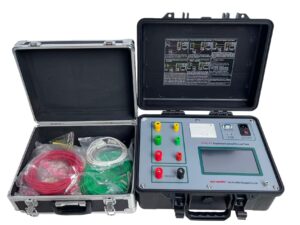
Click the picture to know more about Wrindu No load and load loss Tester.
What Types of Load Conditions Should You Consider?
1. Constant Load Applications
These systems operate at a relatively stable power demand.
Typical examples:
- Lighting systems
- Basic industrial motors
- Continuous process equipment
👉 Best suited for:
- Self-excited generators (if precision is not critical)
- Separately excited generators (if higher stability is required)
2. Variable Load Applications
Load fluctuates frequently during operation.
Typical examples:
- Construction equipment
- Welding machines
- Manufacturing lines
👉 Key requirement:
Fast voltage recovery and stable excitation response
3. Sudden Load Impact Systems
These systems experience abrupt power changes.
Typical examples:
- EV charging stations
- Railway traction systems
- Heavy industrial machinery
👉 Best suited for:
Separately excited generators due to better dynamic control
4. Sensitive Load Applications
These require extremely stable voltage and frequency.
Typical examples:
- Laboratories
- Medical equipment
- Precision testing systems
👉 Strong recommendation:
Separately excited generator with advanced regulation
How Does Load Type Influence Generator Performance?
Different loads affect generator behavior in several ways:
- Voltage fluctuation under sudden load changes
- Heat generation in windings
- Excitation system response time
- Mechanical stress on the rotor
👉 Poor matching between load and generator type often leads to:
- Reduced efficiency
- Higher maintenance frequency
- Shortened equipment lifespan
How Do Self-Excited and Separately Excited Generators React to Load Changes?
Self-Excited Generators
- Slower response to sudden load changes
- More noticeable voltage drop under heavy load
- Suitable for simpler and stable environments
Separately Excited Generators
- Faster response to load variation
- Better voltage recovery
- Strong performance in dynamic systems
👉 This difference becomes more obvious in variable and impact load conditions.
How Do Environmental Conditions Combine With Load Effects?
Load behavior is not the only factor—environment also plays a role:
- High temperature increases resistance
- Humidity affects insulation performance
- Dust and vibration impact mechanical stability
👉 When combined with heavy or variable loads, these factors can significantly reduce generator reliability if not properly tested.
How Can Testing Help Match Load Conditions?
Before final selection, engineers should simulate real operating conditions using testing methods such as:
- Step-load testing
- Dynamic load simulation
- Voltage recovery testing
- Thermal response monitoring
👉 These tests help verify whether the generator can handle actual working conditions, not just theoretical specifications.
How Wrindu Testers Support Load-Based Generator Evaluation
Wrindu testing equipment is designed to simulate and analyze real load behavior in generator systems.
Key advantages include:
- Precise load simulation capability for realistic testing
- Fast data response analysis under dynamic conditions
- Accurate voltage and current monitoring during load changes
- Multi-parameter testing integration in one system
- Stable performance in field environments
Compared with Standard Testing Tools:
| Feature | Basic Instruments | Conventional Testers | Wrindu Testers |
|---|---|---|---|
| Load Simulation | Limited | Moderate | Advanced |
| Response Speed | Slow | Medium | Fast |
| Data Accuracy | Low | Medium | High |
| Dynamic Analysis | No | Partial | Full |
| Field Usability | Low | Medium | High |
👉 Wrindu systems provide more realistic load evaluation, helping engineers avoid incorrect generator selection.
What Are Common Load-Related Selection Mistakes?
Avoid these errors:
- ❌ Ignoring peak load conditions
- ❌ Designing only for average load
- ❌ Overlooking sudden load impacts
- ❌ Not performing real load simulation
👉 These mistakes often lead to:
- Voltage instability
- Equipment overheating
- Premature failure
How Should Load Analysis Influence Final Selection?
A practical selection approach should consider:
- Stable load → flexibility in generator type
- Variable load → prefer stronger excitation control
- Impact load → prioritize dynamic response capability
- Sensitive load → prioritize voltage stability
👉 Always align generator choice with real operational load behavior, not just specifications.
FAQs
Q1: Why is load condition important in generator selection?
A: Because load behavior directly affects voltage stability, efficiency, and system reliability.
Q2: Which generator handles variable load better?
A: Separately excited generators perform better due to faster response and better regulation.
Q3: Can self-excited generators handle sudden load changes?
A: They can, but with more noticeable voltage fluctuations and slower recovery.
Q4: What happens if the generator is undersized for the load?
A: It may overheat, become unstable, or fail prematurely.
Q5: Why is load simulation testing necessary?
A: It helps predict real-world performance and prevents incorrect generator selection.
Q6: How do Wrindu testers improve load-based evaluation?
A: They provide accurate real-time load simulation and measurement, ensuring better selection decisions.
Conclusion
Load conditions are a critical but often overlooked factor in generator selection. Understanding how different loads interact with generator types helps ensure stability and efficiency.
By combining load analysis with proper testing tools like Wrindu systems, engineers can make more accurate, reliable, and long-term generator choices that match real-world demands.
