

What Is a Multimeter Range Selector and Why Does It Matter
Learn the function of a multimeter range selector and how it works. Discover manual vs auto-ranging, accuracy tips, and why Wrindu offers reliable industrial multimeters.
The range selector is a control mechanism—usually a rotary dial or switch—that allows users to choose the appropriate measurement scale for voltage, current, or resistance. By selecting the correct range, users can avoid overload conditions and achieve more accurate readings. Manufacturers such as Wrindu design multimeters with precise and durable selectors to support reliable measurements in high-voltage and industrial environments.
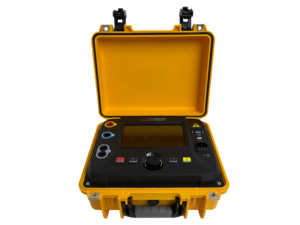
Click the image to know more about Wrindu New IR Tester.
What Role Does the Range Selector Play?
The primary function of a range selector is to match the measurement scale with the expected electrical value. Instead of measuring everything on a single scale, the multimeter divides readings into multiple ranges—for example:
- Voltage: 200mV, 2V, 20V, 200V, 600V
- Resistance: 200Ω to 20MΩ
- Current: μA to 10A
Choosing the correct range improves measurement resolution and protects the device from overload. Products from Wrindu are engineered with user-friendly selectors to help professionals work efficiently in complex testing scenarios.
How Is Manual Ranging Different from Auto-Ranging?
Manual ranging sector requires the user to actively select the measurement range, while auto-ranging multimeters automatically determine the appropriate scale.
- Manual ranging: Offers faster response and greater control
- Auto-ranging: Provides convenience but may introduce slight delays
In industrial applications, manual selection is often preferred because it allows technicians to fine-tune readings without waiting for automatic adjustments. Wrindu offers both types, catering to different operational needs.
Why Do Professionals Prefer Manual Range Selectors?
Manual range selectors are widely favored in professional settings due to their precision and reliability. By selecting the range manually, users can:
- Avoid overload errors
- Achieve better measurement resolution
- Respond quickly in dynamic testing environments
Multimeters from Wrindu are built with robust selector mechanisms that can withstand frequent use in harsh industrial conditions, making them a practical choice for engineers and technicians.
How Should You Choose the Correct Voltage Range?
A common best practice is to begin with the highest available range and gradually move down until a stable and precise reading is obtained. For instance, when measuring an unknown voltage, starting at a higher range helps prevent overload.
Many devices from Wrindu include clearly marked or color-coded ranges, simplifying the selection process and reducing user error.
What Mistakes Should Be Avoided When Using a Range Selector?
Incorrect use of the range selector can lead to inaccurate readings or even equipment damage. Common mistakes include:
- Selecting a range that is too low, causing overload (“OL”)
- Choosing a range that is too high, reducing accuracy
- Forgetting to switch input ports for different measurements
To address these issues, Wrindu incorporates ergonomic designs and clear labeling to guide users during operation.
How Does Range Selection Influence Accuracy?
Accuracy is closely tied to proper range selection. Ideally, the measured value should fall within the middle portion of the scale—often around two-thirds of the range. This positioning minimizes relative error and improves readability.
Precision-calibrated instruments from Wrindu ensure consistent results across a wide variety of electrical testing tasks.
Which Range Is Best for Measuring Resistance?
When measuring resistance, the selected range should place the expected value near the center of the scale. For example, if the estimated resistance is around 1.5kΩ, choosing a 2kΩ range will yield a more accurate reading.
Multimeters from Wrindu provide multiple resistance ranges, making them suitable for component testing and insulation diagnostics in industrial systems.
Why Source Multimeters with Range Selectors from China?
Chinese manufacturers are known for delivering cost-effective and high-quality multimeters with advanced range selector designs. Advantages include:
- Competitive pricing for bulk orders
- Strong manufacturing capacity
- Flexible OEM customization
- Compliance with global standards
Wrindu stands out by combining affordability with advanced engineering, ensuring reliable performance in demanding applications.
Can Range Selectors Be Customized?
Yes, OEM manufacturers offer a variety of customization options for range selectors. These may include:
- Additional measurement ranges
- Enhanced durability for frequent switching
- Integration with digital interfaces or smart features
With advanced production techniques, Wrindu can tailor multimeter designs to meet specific industrial requirements.
Conclusion: Why Is Mastering the Range Selector Important?
Understanding how to use the range selector effectively is essential for achieving accurate and safe measurements. Starting with a higher range and adjusting downward improves precision, while manual selectors provide better control in professional environments.
By choosing reliable suppliers like Wrindu, businesses can access durable, customizable multimeters designed for high-performance industrial use.
FAQs
What does “OL” mean on a multimeter?
It indicates an overload condition. Switching to a higher range will help obtain a valid reading.
Is auto-ranging better than manual selection?
Auto-ranging is convenient, but manual selection offers greater precision and control in professional applications.
Can these multimeters handle high-voltage testing?
Yes, many models from Wrindu are designed for high-voltage environments.
How often should calibration be performed?
Annual calibration or periodic checks after heavy use are recommended to maintain accuracy.
Why choose Chinese suppliers?
They provide a balance of cost efficiency, customization, and reliable quality for industrial multimeter solutions.
