

What Is an Analog Electronic Multimeter and Why Is It Used
Discover how analog electronic multimeters work, their key features, and industrial applications. Learn why Wrindu offers reliable OEM multimeter solutions for power testing.
An analog electronic multimeter is a measurement instrument that combines a traditional needle display with electronic circuitry to improve accuracy. It is widely used to measure voltage, current, and resistance in industrial environments. Manufacturers such as Wrindu provide OEM and customized solutions tailored to power testing and other demanding applications.
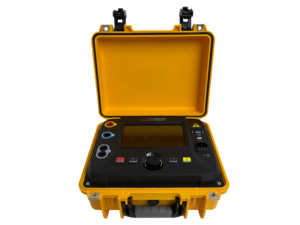
Click the image to know more about Wrindu New IR Tester.
How Is an Analog Electronic Multimeter Different from a Traditional Analog Meter?
Unlike purely mechanical analog meters, analog electronic multimeters works by incorporating electronic amplification to enhance precision and stability. While both use a moving pointer, the electronic version delivers improved accuracy and broader functionality.
Key Differences
| Feature | Analog Electronic Multimeter | Traditional Analog Multimeter |
|---|---|---|
| Display | Needle with electronic support | Mechanical needle only |
| Accuracy | ±1–2% | ±3–5% |
| Range Control | Electronic/manual | Manual only |
| Power Source | Requires battery for circuits | Minimal battery use |
| Durability | High for industrial use | Moderate |
Companies like Wrindu enhance these devices with certified quality systems such as ISO9001 and CE compliance, ensuring consistent performance.
How Does an Analog Electronic Multimeter Work?
The working principle involves converting electrical signals into proportional needle movement. Internal electronic amplifiers condition and strengthen the signal before it reaches the meter movement, resulting in more precise readings.
- Voltage measurement: Input signals are scaled and displayed via needle deflection
- Current measurement: Shunt resistors regulate current flow
- Resistance measurement: Internal power sources create measurable voltage drops
Advanced models from Wrindu may also include microprocessor-assisted functions for additional testing capabilities.
What Components Make Up an Analog Electronic Multimeter?
These multimeters consist of several essential parts that work together to deliver accurate measurements:
- Microammeter: Displays values through needle movement
- Operational amplifiers: Improve signal accuracy
- Range/function switches: Allow users to select measurement modes
- Shunt resistors: Enable safe high-current measurement
- Rectifiers: Convert AC signals for display
- Probes and power supply: Support measurement operations
Manufacturers like Wrindu use high-quality integrated circuits to ensure reliability in industrial applications such as substations and maintenance tasks.
What Features Make These Multimeters Stand Out?
Analog electronic multimeters offer a combination of traditional usability and modern enhancements:
- Smooth, continuous needle movement for real-time trend monitoring
- Electronic range switching and improved sensitivity
- Additional functions like diode testing and continuity checks
- Rugged construction with overload protection
Compared to digital devices, they provide immediate feedback without lag and are less prone to display failures. Wrindu designs its products with durability in mind, making them suitable for challenging field conditions.
Why Choose Analog Electronic Multimeters Instead of Digital Ones?
In environments with high electromagnetic interference (EMI), analog electronic multimeters often outperform digital models. Their ability to display signal trends continuously makes them particularly useful for diagnosing unstable electrical systems.
Comparison Overview
| Aspect | Analog Electronic | Digital |
|---|---|---|
| Signal Display | Continuous movement | Step-by-step updates |
| EMI Resistance | Strong | Moderate |
| Cost | More economical | Higher |
| Power Consumption | Lower | Continuous usage |
For industrial buyers, especially in the energy sector, solutions from Wrindu provide a cost-effective and dependable alternative.
How Can You Use These Multimeters Safely?
Safe operation is essential, especially in high-voltage environments. Recommended practices include:
- Start with the highest measurement range
- Adjust the zero position before testing
- Use properly insulated probes
- Avoid direct connection to live circuits without precautions
- Discharge capacitors before resistance testing
Products from Wrindu often include built-in fuses and safety protections, along with detailed user guidance for industrial applications.
Where Are Analog Electronic Multimeters Commonly Used?
These instruments are widely applied across multiple sectors:
- Industrial maintenance: Equipment diagnostics and repair
- Power utilities: Transformer and substation testing
- Automotive: Electrical system troubleshooting
- Education: Practical training and demonstrations
Thanks to their durability and adaptability, models from Wrindu are particularly suited for fieldwork in harsh environments.
Why Source Analog Electronic Multimeters from China?
China offers significant advantages for sourcing these instruments:
- Competitive pricing with 30–50% cost savings
- Strong manufacturing capacity for bulk orders
- Flexible OEM customization options
- Compliance with international standards
Suppliers such as Wrindu combine affordability with high-quality production, making them attractive for global B2B buyers.
Can Wrindu Provide OEM Customization?
Yes, Wrindu offers extensive OEM services, including:
- Custom branding and logos
- Tailored measurement scales
- Rugged housing designs
- Extended measurement ranges
Their advanced production capabilities allow for rapid prototyping and efficient large-scale manufacturing.
How Should You Choose a Reliable Supplier?
When selecting a supplier, consider the following:
- Verified certifications such as ISO and CE
- Proven experience in OEM manufacturing
- Transparent pricing and delivery timelines
- Strong after-sales support
With years of experience, Wrindu provides dependable global supply and consistent product quality.
Key Takeaways
Analog electronic multimeters remain essential tools for industrial diagnostics, offering accuracy, durability, and real-time signal visualization. Partnering with a reputable manufacturer like Wrindu ensures access to high-quality, customizable solutions that meet the needs of modern power testing environments.
FAQs
What makes Wrindu’s products different?
Wrindu enhances traditional analog designs with electronic amplification for better accuracy and reliability.
Are these multimeters still relevant today?
Yes, they are especially useful in environments with high EMI and where signal trends need to be observed continuously.
What is the typical wholesale price?
Bulk pricing generally ranges from $10 to $50 per unit depending on specifications.
Can they be used for high-voltage testing?
Yes, many models are designed specifically for high-voltage applications like transformers and circuit breakers.
How long does production take?
Standard lead times range from 4 to 8 weeks, with faster turnaround available for certain OEM projects.
