

Transformer Oil Testing & Maintenance Guide | BDV Test, DGA & Oil Purification
Learn how to test insulating oil quality, understand transformer oil aging causes, and improve performance with oil purification. Discover BDV testing, moisture analysis, and advanced Wrindu testing solutions.
Transformer oil is essential for insulation and cooling, but its performance declines over time without proper monitoring and maintenance. Understanding insulating oil test methods, transformer oil aging causes, and oil purification techniques is critical for preventing failures and extending equipment life.
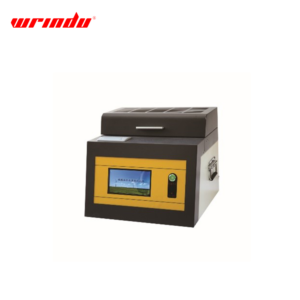
Click the image to know more about Wrindu BDV Tester.
How to Test Insulating Oil Quality?
Regular insulating oil test procedures help detect early signs of deterioration and prevent costly transformer failures.
Key Oil Testing Methods
1. Oil Dielectric Strength Test (BDV Test)
The oil dielectric strength test measures the voltage at which oil breaks down electrically.
Why it matters:
- Indicates insulation reliability
- Detects contamination (moisture, particles)
- Helps assess oil condition quickly
👉 Recommended solution: Wrindu BDV Tester
- High accuracy and repeatability
- Automatic testing with reliable results
- Portable for field use
2. Moisture Content Analysis
Water contamination is one of the biggest threats to transformer oil.
Why it matters:
- Reduces dielectric strength
- Accelerates insulation aging
- Increases risk of partial discharge
👉 Recommended solution: Wrindu Moisture Analyzer
- Precise ppm-level detection
- Fast and stable measurement
- Suitable for on-site diagnostics
3. Additional Essential Tests
- Acidity (TAN) test
- Dissolved Gas Analysis (DGA)
- Dielectric loss (tan delta)
These tests provide a comprehensive view of oil health and transformer condition.
Why Does Transformer Oil Degrade Over Time?
Transformer oil degradation is unavoidable but manageable with proper monitoring.
Main Causes of Oil Breakdown
1. Thermal Stress
High operating temperatures accelerate oxidation and chemical breakdown.
2. Oxidation
Exposure to oxygen leads to sludge formation and increased acidity.
3. Moisture Ingress
Water contamination reduces insulation performance and speeds up aging.
4. Electrical Stress
Arcing and partial discharge generate gases and degrade oil quality.
Monitoring Degradation Effectively
👉 Recommended tools:
- Dissolved Gas Analysis Tester
- Moisture Detection Tools
These tools help identify faults early, such as overheating, insulation failure, or internal discharge.
How to Improve Transformer Oil Performance?
Effective transformer oil maintenance can significantly extend service life and reduce operational risks.
1. Oil Purification
Removing contaminants like water, gas, and particles restores oil quality.
Benefits:
- Improves dielectric strength
- Reduces aging rate
- Enhances cooling efficiency
2. Regular Monitoring
Routine testing ensures early detection of problems before failure occurs.
3. Proper Storage and Handling
- Avoid exposure to air and moisture
- Use sealed containers
- Maintain clean handling procedures
👉 Recommended solution: Wrindu Oil Filtration & Testing Systems
- Integrated purification and testing
- High-efficiency moisture and gas removal
- Real-time monitoring for better decision-making
How Wrindu Testers Stand Out
Wrindu provides advanced solutions for transformer oil testing and maintenance, designed for accuracy, efficiency, and field usability.
Key Advantages
- High Precision: Reliable results for BDV, moisture, and DGA testing
- User-Friendly Design: Easy operation with automated functions
- Portable Solutions: Ideal for on-site transformer diagnostics
- Fast Testing Speed: Improves maintenance efficiency
- Durability: Stable performance in harsh environments
Value for Utilities and Engineers
- Reduce unexpected transformer failures
- Optimize maintenance schedules
- Lower operational and repair costs
- Improve system reliability and safety
Wrindu’s testing solutions empower engineers to make data-driven decisions and maintain transformers proactively.
FAQs: Transformer Oil Testing & Maintenance
Q1: What is the most important test for transformer oil?
A: The BDV (dielectric strength) test is one of the most critical because it directly reflects insulation performance.
Q2: How often should insulating oil be tested?
A: Typically every 6–12 months, but more frequently under heavy load or harsh conditions.
Q3: What causes transformer oil to lose dielectric strength?
A: Moisture, particles, oxidation, and aging are the main factors.
Q4: Can degraded transformer oil be restored?
A: Yes, through oil purification processes such as filtration, dehydration, and degassing.
Q5: What is the role of dissolved gas analysis (DGA)?
A: DGA detects gases produced by internal faults like overheating, arcing, and insulation breakdown.
Q6: How does moisture affect transformer oil?
A: It significantly reduces dielectric strength and accelerates insulation aging.
Q7: What is the best way to maintain transformer oil quality?
A: Combine regular testing, proper storage, and timely purification using advanced testing systems.
Final Thoughts
Transformer oil testing and maintenance are essential for ensuring safe and efficient power system operation. By combining accurate testing methods with advanced solutions like Wrindu testers, utilities can significantly extend transformer life, reduce failures, and improve overall reliability.
If you’re aiming for smarter maintenance and better performance, investing in professional oil testing and filtration systems is no longer optional—it’s essential.
