

Insulating Oil vs Dielectric Fluid: What’s the Real Difference
Learn the difference between insulating oil and dielectric fluid, their applications in transformers, key properties, and how to test them effectively. Discover why accurate testing with Wrindu solutions improves reliability and performance.
When working with transformers, cables, or high-voltage equipment, two terms often come up: insulating oil and dielectric fluid. Are they the same thing? Or do they serve different purposes? Understanding the distinction is critical for engineers, maintenance teams, and utility decision-makers.
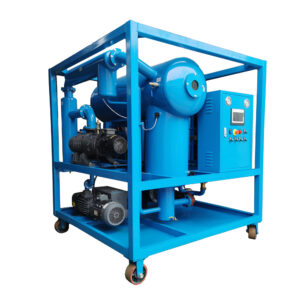
Click the image to know more about Transformer Oil Purifier.
What Is Insulating Oil?
Insulating oil is a specialized liquid primarily used in electrical equipment such as transformers, circuit breakers, and switchgear. Its main functions include:
- Providing electrical insulation
- Acting as a cooling medium
- Preventing partial discharge and breakdown
- Protecting internal components from oxidation
Common types include mineral oil, silicone oil, and natural ester fluids.
What Is a Dielectric Fluid?
A dielectric fluid is any liquid that has high electrical insulating properties and can withstand strong electric fields without conducting electricity.
It is a broader category that includes:
- Transformer insulating oil
- Synthetic fluids
- Capacitor oils
- Cooling fluids used in high-voltage systems
👉 In simple terms:
All insulating oils are dielectric fluids, but not all dielectric fluids are insulating oils.
Are Insulating Oil and Dielectric Fluid the Same?
Not exactly.
| Feature | Insulating Oil | Dielectric Fluid |
|---|---|---|
| Definition | Specific type of oil used in electrical equipment | General term for insulating liquids |
| Scope | Narrow (mainly transformers & switchgear) | Broad (covers many insulating liquids) |
| Function | Insulation + cooling | Primarily insulation (may also cool) |
| Examples | Mineral oil, ester oil | Includes insulating oil + synthetic fluids |
👉 Think of insulating oil as a subcategory of dielectric fluids.
Why Does This Difference Matter in Practice?
Understanding the difference helps in:
1. Equipment Selection
Not all dielectric fluids are suitable for transformers. Selecting the wrong type can lead to:
- Reduced insulation performance
- Poor heat dissipation
- Increased failure risk
2. Maintenance Strategy
Testing requirements vary depending on the fluid type:
- Transformer oil requires BDV, moisture, and acidity tests
- Other dielectric fluids may need specialized dielectric analysis
3. Compliance and Standards
Different fluids follow different standards such as:
- IEC standards for transformer oil
- ASTM standards for dielectric liquids
How Do Their Electrical Properties Compare?
Key properties include:
- Dielectric strength (BDV) – ability to withstand voltage
- Dissipation factor (tan δ) – insulation losses
- Resistivity – resistance to current flow
- Moisture content – impacts insulation performance
👉 Insulating oils are optimized for both electrical and thermal performance, while dielectric fluids may prioritize insulation only.
Which One Should You Choose for Transformers?
For transformer applications:
- Insulating oil is the preferred choice
- Specifically designed for:
- Heat transfer
- Long-term stability
- Compatibility with insulation materials
Dielectric fluids may be used in specialized systems but are not always suitable for standard transformers.
How Wrindu Testers Stand Out
Accurate testing is essential regardless of the fluid type. This is where Wrindu solutions provide a clear advantage:
1. High-Precision Measurement
Wrindu testers deliver reliable results for:
- Breakdown Voltage (BDV)
- Dielectric loss (tan δ)
- Moisture content
2. Multi-Parameter Testing
Instead of using multiple devices, Wrindu integrates:
- Oil quality analysis
- Electrical performance testing
- Trend monitoring
3. Field-Ready Design
- Portable and rugged
- Suitable for substations and on-site diagnostics
- Fast testing cycles for efficiency
4. Data-Driven Maintenance
Wrindu systems support:
- Historical data tracking
- Predictive maintenance
- Reduced downtime and cost
👉 This makes Wrindu an ideal choice for utilities aiming to improve reliability and reduce operational risks.
FAQs (Long-Tail Questions)
Q1: Is insulating oil always a dielectric fluid?
Yes. Insulating oil is a type of dielectric fluid specifically designed for electrical insulation and cooling.
Q2: Can dielectric fluid replace transformer oil?
Not always. Only certain dielectric fluids meet the thermal and chemical requirements needed for transformer operation.
Q3: What is the main function difference between the two?
Insulating oil provides both cooling and insulation, while dielectric fluid mainly focuses on insulation.
Q4: How do you test insulating oil quality?
Common tests include:
- Breakdown Voltage (BDV)
- Moisture content
- Acidity
- Dielectric loss factor
Q5: Which fluid has better dielectric strength?
It depends on the formulation, but high-quality transformer insulating oil is optimized for strong dielectric performance under operational conditions.
Q6: Why is moisture critical in insulating oil?
Moisture reduces dielectric strength and increases the risk of electrical failure.
Q7: How often should transformer oil be tested?
Typically:
- Every 6–12 months for critical equipment
- More frequently in harsh environments
Conclusion
While insulating oil and dielectric fluid are closely related, they are not interchangeable terms. Insulating oil is a specialized dielectric fluid tailored for transformer performance, combining insulation and cooling capabilities.
Choosing the right fluid—and testing it accurately with reliable tools like Wrindu—plays a crucial role in ensuring long-term system stability, safety, and efficiency.
