

Signs of Bad Insulating Oil: How to Detect Problems Early
Learn the key signs of bad insulating oil, including low BDV, high moisture, dark color, and acidity. Discover how to detect transformer oil degradation early and how Wrindu testers improve oil condition analysis.
Insulating oil plays a vital role in transformers and high-voltage equipment by providing electrical insulation and cooling. However, over time, oil can degrade due to heat, moisture, oxidation, and contamination.
👉 Recognizing the signs of bad insulating oil early can prevent costly failures and extend equipment life.
Why Does Insulating Oil Go Bad?
Insulating oil deteriorates due to:
- Thermal stress from continuous operation
- Moisture ingress from the environment
- Oxidation caused by air exposure
- Contamination (dust, particles, metal debris)
👉 These factors gradually reduce the oil’s insulating ability and cooling efficiency.
What Are the Visible Signs of Bad Insulating Oil?
1. Is the Oil Color Dark or Cloudy?
- Fresh oil is usually clear and light-colored
- Dark or cloudy oil indicates:
- Oxidation
- Contamination
- Aging
2. Does the Oil Have a Strong or Burnt Smell?
- A sharp or burnt odor suggests:
- Overheating
- Decomposition of oil
- Possible internal faults
3. Are There Sludge or Particles Present?
- Sludge formation is a clear sign of:
- Advanced oxidation
- Poor oil quality
- It can block cooling channels and reduce heat dissipation
What Are the Electrical Signs of Oil Degradation?
4. Is the Breakdown Voltage (BDV) Low?
- Low BDV means reduced insulation strength
- Often caused by:
- Moisture
- Contaminants
5. Is the Dielectric Loss (tan δ) Increasing?
- High dielectric loss indicates:
- Increased energy dissipation
- Poor insulation quality
6. Is Moisture Content High?
- Moisture significantly reduces dielectric performance
- Leads to:
- Partial discharge
- Insulation failure
Are There Chemical Indicators of Bad Oil?
7. Is the Acidity Level Rising?
- High acidity (neutralization number) means:
- Oil oxidation
- Formation of harmful acids
8. Are Dissolved Gases Increasing?
- Dissolved Gas Analysis (DGA) can reveal:
- Internal faults
- Electrical discharges
- Thermal overheating
How Does Bad Insulating Oil Affect Transformers?
Degraded oil can cause:
- Reduced dielectric strength
- Poor cooling performance
- Accelerated insulation aging
- Increased risk of failure or explosion
👉 Ignoring these signs can lead to unplanned outages and high repair costs.
How Can You Confirm If Insulating Oil Is Bad?
Visual inspection alone is not enough. Accurate diagnosis requires:
- BDV testing
- Moisture analysis
- Acidity measurement
- Dielectric loss testing
- DGA (for fault detection)
👉 Regular testing is the only reliable way to assess oil condition.
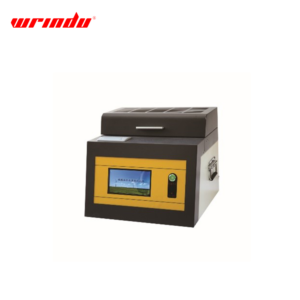
Click the image to know more about Wrindu BDV Tester.
How Wrindu Testers Stand Out
Early detection of oil degradation depends on accurate testing. Wrindu testers are designed to identify even minor changes in oil condition.
1. High Sensitivity Detection
Wrindu equipment can detect:
- Small drops in BDV
- Slight increases in moisture
- Early-stage insulation degradation
2. Comprehensive Testing Capabilities
Supports multiple tests including:
- Breakdown Voltage (BDV)
- Dielectric loss (tan δ)
- Moisture content
3. Fast and On-Site Analysis
- Portable and user-friendly
- Quick results for field engineers
- Ideal for substations and maintenance teams
4. Data-Driven Insights
- Trend analysis for early warning
- Predictive maintenance support
- Reduced risk of unexpected failures
👉 Wrindu helps utilities move from reactive repair to proactive prevention.
FAQs (Long-Tail Questions)
Q1: What are the first signs of bad insulating oil?
Common early signs include dark color, increased moisture, and reduced breakdown voltage.
Q2: Can bad insulating oil be restored?
Yes, through oil filtration, dehydration, or regeneration—depending on the severity.
Q3: How does moisture affect insulating oil?
Moisture reduces dielectric strength and increases the risk of electrical breakdown.
Q4: Is dark transformer oil always bad?
Not always, but it usually indicates aging or contamination and should be tested.
Q5: How often should insulating oil be checked?
Typically every 6–12 months, or more frequently for critical equipment.
Q6: What is the most critical test for oil condition?
Breakdown Voltage (BDV) is one of the most important indicators of insulation performance.
Q7: What happens if degraded oil is not replaced?
It can lead to insulation failure, overheating, and transformer damage.
Conclusion
Bad insulating oil doesn’t fail suddenly—it shows warning signs. By identifying visual, electrical, and chemical indicators early, you can prevent serious transformer issues.
👉 With advanced tools like Wrindu testers, detecting oil degradation becomes faster, more accurate, and more reliable—ensuring long-term equipment safety and performance.
