

High Voltage Warning Signs: The Complete Guide to Electrical Safety Signage
Learn how high voltage warning signs improve electrical safety, prevent accidents, support compliance, and protect workers in substations, factories, and industrial facilities.
High voltage warning signs are essential safety tools used to alert workers, visitors, and maintenance personnel about electrical hazards before accidents happen. These signs use standardized colors, symbols, and warning messages to reduce the risk of electric shock, arc flash incidents, equipment damage, and workplace injuries.
Whether in substations, power plants, factories, renewable energy facilities, or construction sites, proper high voltage signage helps create a safer working environment and supports compliance with electrical safety regulations.
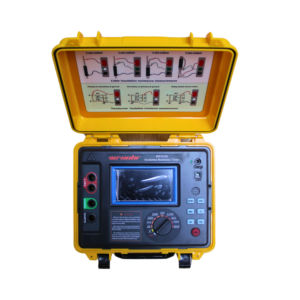
Click the image to know more about Wrindu IR Tester.
What Makes a High Voltage Warning Sign Effective?
An effective high voltage warning sign should immediately communicate danger, even from a distance.
Key design elements include:
- Bright yellow and black colors for maximum visibility
- Lightning bolt symbols to indicate electrical hazards
- Clear warning messages such as “Danger: High Voltage”
- Weather-resistant materials for long-term durability
- Large text and symbols that can be recognized quickly
The goal is simple: workers should identify the danger instantly and take appropriate precautions before entering hazardous areas.
Why Are High Voltage Warning Signs Important?
High voltage signs serve as the first line of defense against electrical accidents.
Main Benefits Include:
- Warning people before entering dangerous areas
- Reducing accidental contact with energized equipment
- Supporting lockout/tagout (LOTO) procedures
- Improving workplace safety awareness
- Helping facilities comply with safety regulations
- Reducing liability and operational risks
In high-risk environments, clear signage can significantly reduce workplace injuries and equipment-related incidents.
What Types of High Voltage Signs Are Available?
Different working environments require different types of warning signs.
| Sign Type | Typical Application | Main Advantage |
|---|---|---|
| Metal Signs | Outdoor substations | Long service life |
| PVC Signs | Indoor electrical rooms | Cost-effective |
| Self-Adhesive Labels | Panels and switchgear | Easy installation |
| Magnetic Signs | Temporary maintenance areas | Easy repositioning |
| Glow-in-the-Dark Signs | Emergency exits and dark areas | Improved visibility |
| Reflective Signs | Outdoor facilities | Better night visibility |
Facilities with multilingual workforces may also benefit from bilingual or multilingual warning signs.
How Do Safety Standards Influence High Voltage Sign Design?
Electrical safety signs should follow recognized industry standards to ensure consistency and effectiveness.
Common requirements include:
- Standard warning colors
- Approved electrical hazard symbols
- Proper font sizes and layouts
- Clear signal words such as Danger, Warning, or Caution
- Visibility requirements for indoor and outdoor use
Standardized signage helps workers quickly recognize hazards regardless of the facility or location.
Which Materials Are Best for High Voltage Warning Signs?
The best material depends on where the sign will be installed.
Common Materials Include:
Aluminum
Ideal for outdoor use because it offers:
- Excellent weather resistance
- UV protection
- Long service life
PVC
Suitable for indoor applications because it is:
- Lightweight
- Affordable
- Easy to install
Polycarbonate
Recommended for harsh industrial environments because it provides:
- Chemical resistance
- Impact resistance
- Long-term durability
Choosing the correct material helps maintain sign visibility and readability for many years.
Where Should High Voltage Warning Signs Be Installed?
Proper placement is just as important as sign design.
Recommended Locations
- Electrical substations
- Transformer rooms
- Switchgear cabinets
- Distribution panels
- Cable tunnels
- Generator rooms
- Battery storage areas
- Renewable energy installations
- Restricted access zones
Best Installation Practices
- Mount signs at eye level whenever possible.
- Place signs at all entry points.
- Ensure signs remain visible and unobstructed.
- Replace damaged or faded signs immediately.
Properly placed warning signs can significantly improve workplace safety performance.
How Do Different Types of Safety Signs Support Compliance?
Electrical facilities often use multiple sign categories to communicate different levels of risk.
Danger Signs
Used when serious injury or death is possible.
Warning Signs
Used to indicate significant electrical hazards.
Caution Signs
Used for lower-risk situations requiring attention.
Lockout/Tagout Signs
Used during maintenance procedures to prevent accidental energization.
Using the correct sign in the correct location helps organizations meet safety requirements and pass inspections more easily.
Can High Voltage Signs Reduce Risk and Improve ROI?
Yes. Investing in proper electrical safety signage can provide measurable benefits.
Business Benefits Include:
- Fewer electrical accidents
- Reduced arc flash incidents
- Lower regulatory penalties
- Improved safety compliance
- Reduced equipment downtime
- Better worker confidence and awareness
Compared with the cost of workplace accidents, high-quality warning signs are a low-cost investment with significant safety value.
What Are the Latest Trends in High Voltage Safety Signage?
As electrical systems become smarter, safety signage is also evolving.
Emerging Trends Include:
- LED warning signs
- Digital hazard displays
- IoT-connected safety systems
- Smart access control integration
- Reflective and photoluminescent materials
- Environmentally friendly sign materials
Although technology continues to advance, traditional warning signs remain one of the most effective and reliable safety tools available.
How Does Wrindu Support Electrical Safety?
At Wrindu, electrical safety extends beyond warning signs.
We help utilities, industrial facilities, and maintenance teams improve safety through professional power testing and diagnostic equipment.
Why Choose Wrindu?
- ISO9001 certified manufacturing
- IEC and CE compliant products
- Expertise in transformer, cable, relay, and insulation testing
- Strong R&D and innovation capabilities
- Global technical support and service
By combining reliable testing equipment with proper safety practices, organizations can reduce risk and improve system reliability.
Conclusion
High voltage warning signs play a critical role in electrical safety. They help prevent accidents, improve hazard awareness, and support regulatory compliance. Effective signage uses clear symbols, high-visibility colors, durable materials, and proper placement to ensure hazards are recognized immediately.
When combined with regular electrical testing and maintenance, high voltage warning signs become an important part of a comprehensive electrical safety program.
Frequently Asked Questions (FAQs)
What voltage requires a high voltage warning sign?
Any area containing energized equipment that presents a shock or arc flash hazard should be clearly marked with appropriate warning signs.
How often should high voltage signs be inspected?
Safety signs should be inspected during routine maintenance and replaced immediately if they become faded, damaged, or difficult to read.
What colors are commonly used for electrical warning signs?
Yellow and black are the most common colors used to indicate electrical hazards and high voltage risks.
Are outdoor high voltage signs different from indoor signs?
Yes. Outdoor signs typically require UV-resistant, waterproof, and corrosion-resistant materials to withstand environmental conditions.
Can multilingual warning signs improve safety?
Yes. Multilingual signs help workers from different language backgrounds understand hazards quickly and reduce the risk of miscommunication.
Where should high voltage warning signs be installed?
They should be installed at entrances, transformer rooms, electrical panels, substations, cable tunnels, and other areas containing energized equipment.
What is the best material for a high voltage warning sign?
Aluminum is often the preferred choice for outdoor environments, while PVC and polycarbonate are commonly used indoors.
Do electrical safety signs help with regulatory compliance?
Yes. Proper safety signage supports compliance with electrical safety standards and can help organizations pass inspections and audits.
