

Digital Insulation Resistance Tester | High Voltage Insulation Testing Equipment
Learn how a digital insulation resistance tester improves electrical safety, detects insulation damage, and supports preventive maintenance. Wrindu RD3215E provides accurate high-voltage insulation testing with advanced anti-interference technology.
Electrical systems rely heavily on proper insulation to function safely and efficiently. Over time, insulation degrades due to wear, tear, and environmental factors. Testing insulation resistance regularly helps identify hidden damage before it causes major equipment failures or safety hazards.
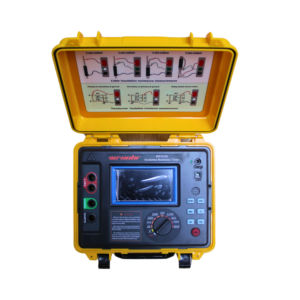
Click the image to know more about Wrindu IR Tester.
What is a Digital Insulation Resistance Tester?
A digital insulation tester is a specialized tool that measures the condition of electrical insulation. It works by applying a high direct current (DC) voltage to an electrical system and measuring the resulting leakage current.
Using Ohm’s Law, the device calculates the total resistance and displays the data digitally. High-quality devices, like those from Wrindu, include advanced anti-interference technology to ensure accurate readings even in high-voltage industrial environments.
What are the Main Benefits of Regular Insulation Testing?
Routine insulation testing offers several critical advantages for industrial operations:
-
Enhances Safety: Prevents electric shocks and protects technicians from workplace injuries.
-
Detects Early Damage: Identifies insulation wear, moisture buildup, or contamination before total failure occurs.
-
Reduces Downtime: Minimizes unexpected machinery breakdowns by enabling scheduled, preventive maintenance.
-
Extends Equipment Lifespan: Keeps expensive electrical assets running reliably for longer periods.
-
Ensures Compliance: Helps factories and original equipment manufacturers (OEMs) meet international safety regulations.
Why Should Businesses Take Insulation Measurement Seriously?
Neglecting insulation testing can lead to catastrophic consequences. When insulation fails, it triggers short circuits, electrical arcs, and equipment fires. These incidents result in costly emergency repairs, extensive production delays, and severe safety risks for personnel. For manufacturing facilities, making insulation testing a priority is vital to maintaining operational safety and financial efficiency.
What Features Define a High-Quality Digital Insulation Tester?
When choosing an insulation tester, look for these essential capabilities:
-
Wide Voltage Range: The ability to select multiple test voltages (ranging from 250 V up to 15 kV).
-
Advanced Diagnostics: Support for Polarization Index (PI) and Dielectric Absorption Ratio (DAR) tests to track insulation aging.
-
Automatic Discharge: Safely discharges remaining capacitive energy after a test finishes.
-
Smart Connectivity: Built-in data storage with USB or Bluetooth options for easy data transfer.
-
User-Friendly Design: Clear digital displays, touchscreens, and robust built-in safety overvoltage protection.
The Wrindu RD3215E model is an example of a device designed with high anti-interference features specifically for high-voltage and high-capacity machinery.
How Do Technicians Correctly Conduct an Insulation Resistance Test?
To get accurate results safely, follow these fundamental steps:
-
De-energize: Completely shut down and isolate the target equipment from any power source.
-
Set Voltage: Select the appropriate test voltage based on the equipment’s standard power rating.
-
Connect Leads: Securely attach the test leads to the device and the component under test.
-
Run Test: Start the measurement and monitor the resistance values on the screen.
-
Discharge: Ensure the system fully discharges any stored capacitive energy before disconnecting.
-
Analyze Data: Record the final values and compare them against historical baseline data or industry standards.
When and Where is Insulation Resistance Testing Necessary?
Insulation tests should be integrated into every stage of an electrical asset’s life cycle. Technicians perform tests during the initial installation of equipment, during routine preventative maintenance, and right after completing any system repairs.
These digital testers are widely used across diverse industrial sectors, including:
-
Electrical substations and power distribution grids.
-
Transformer and motor manufacturing plants.
-
Industrial factories and OEM quality control centers.
-
Cable and wire testing facilities.
Frequently Asked Questions (FAQs)
What standard test voltages do digital insulation testers use?
Most digital testers offer selectable outputs ranging from 250 V to 15 kV, allowing them to handle everything from small electronics to massive industrial power systems.
Can an insulation resistance test detect moisture inside equipment?
Yes. A sudden drop in insulation resistance values usually indicates that moisture, dirt, or other contaminants have compromised the insulating material.
Why are Polarization Index (PI) and Dielectric Absorption Ratio (DAR) values important?
PI and DAR tests track how insulation behaves over time under continuous voltage. These measurements are crucial for predicting future insulation breakdown and spotting moisture issues early.
Are modern digital insulation meters durable enough for outdoor field use?
Yes. Current models, such as the Wrindu RD3215E, feature rugged, portable designs tailored for harsh outdoor field environments and indoor factory floors alike.
Can custom digital insulation testers be tailored for specific industrial OEM needs?
Yes, manufacturers like Wrindu offer customized OEM solutions, adjusting voltage ranges, data communication protocols, and housing durability to match specific industrial requirements.
