

Digital Insulation Resistance Tester Reliability Factors | Calibration & Maintenance Guide
Learn what affects the reliability of a digital insulation resistance tester, including calibration, environmental protection, component quality, operation methods, and software updates. Choose reliable insulation testing equipment for accurate measurements.
The reliability of a digital insulation resistance tester depends on several core elements: correct calibration, environmental factors, high-quality parts, proper operation, and up-to-date technology. Choosing a trusted manufacturer ensures that your equipment meets strict industry standards and gives you the precise, consistent measurements needed for industrial work.
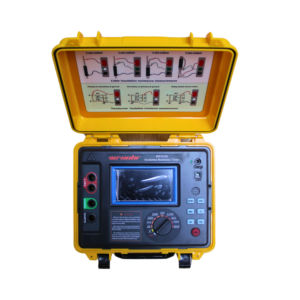
Click the image to know more about Wrindu IR Tester.
Why is Regular Calibration Essential?
Regular calibration keeps your testing tools accurate. Over time, internal parts age and measurements can drift. Standard-based calibration fixes these minor errors. This tracking process gives suppliers and operators confidence that their test results are trustworthy.
How Do Weather and Environment Affect the Device?
Harsh conditions like high humidity, dust, and electrical noise can distort your readings. For example, moisture and dirt often lower the resistance values artificially. To counter this, look for instruments built with solid protection—such as IP65-rated enclosures and internal shielding—to keep the device working well in dirty or damp workplaces.
What Parts Matter Most for a Long Lifespan?
A digital tester is only as good as its components. Using certified electronic parts, durable connectors, and premium insulation materials keeps the device from breaking down internally. High-quality parts ensure the machine can handle the stress of repeated industrial testing without losing precision.
How Does the Operator Influence the Results?
Even the best tool can give bad data if used incorrectly. Common mistakes include picking the wrong test voltage, stopping the test too quickly, or forgetting to discharge the system. Training workers and choosing testers with intuitive, guided screens helps prevent these mistakes. Built-in safety features like automatic voltage discharge also protect both the user and the machine.
Who is Responsible for Keeping the Device in Top Shape?
Trained technicians should handle the regular upkeep of these insulation testers. This includes routine cleaning, checking the test leads for damage, and monitoring battery levels. Good manufacturers support this by offering solid technical service and training to help you maintain your equipment over time.
When Should You Update the Software?
Updating the tester’s internal software (firmware) fixes bugs and improves the programming used to calculate resistance. Staying updated with the latest technology ensures your device benefits from newer diagnostic features and performs better during complex tests.
Where Can You Get Reliable Custom Testers?
When sourcing equipment, look for manufacturers that hold clear international certifications like ISO9001, CE, and IEC. Many top factories can customize devices for your specific needs, such as expanding the voltage limits, building extra-rugged cases, or adding specialized software features.
Key Reliability Factors at a Glance
| Factor | What It Means | Why It Matters |
| Calibration | Periodic accuracy checks | Ensures correct and stable readings |
| Environment | Managing heat, dampness, and dust | Protects the device and preserves accuracy |
| Component Quality | Using certified, tough parts | Prevents internal breakdowns |
| User Operation | Correct settings and safety steps | Avoids mistakes and operator error |
| Maintenance | Cleaning and checking parts | Extends the lifetime of the tester |
| Software Updates | Installing the latest firmware | Enhances features and fixes bugs |
Frequently Asked Questions (FAQs)
Q: How frequently should I calibrate my digital insulation tester?
A: You should calibrate it once a year. If you use it heavily or work in harsh environments, you may need to calibrate it more often.
Q: Can high humidity really change my test numbers?
A: Yes. Moisture and dust create alternative paths for electrical current, which lowers the resistance readings and gives inaccurate results.
Q: What quality certificates should I look for?
A: Look for globally recognized standard certifications such as ISO9001, CE, and IEC.
Q: Can I get an insulation tester customized for specific jobs?
A: Yes. Reliable manufacturers offer custom features like broader voltage options, tougher outer shells, and specialized software.
Q: Why do these devices need an automatic discharge function?
A: After a test, the equipment holds a dangerous electrical charge. The automatic discharge feature safely empties this electricity to protect the user from shocks.
