

Transformer Oil BDV Test: Procedure, Standards, and Results
Learn how transformer oil BDV testing works, compare key test standards, prepare oil samples, and interpret breakdown voltage results.
Transformer oil breakdown voltage (BDV) testing helps engineers evaluate the oil’s ability to withstand electrical stress. It is commonly used during transformer commissioning, routine maintenance, and oil condition assessment.
The test measures the voltage at which an oil sample breaks down between two electrodes under specified conditions. However, the result depends on the test method, sample condition, and testing procedure.
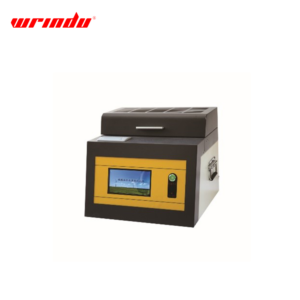
Click the image to know more about Wrindu Oil BDV Tester.
What Does an Oil BDV Test Measure?
An oil BDV test measures breakdown voltage in kilovolts (kV). During the test, the instrument increases AC voltage between two electrodes immersed in an oil sample. The voltage is recorded when the liquid breaks down electrically.
A higher result generally indicates better breakdown performance under the same test conditions. However, BDV alone cannot determine the complete condition of transformer oil.
Moisture, particles, bubbles, and other sample conditions can affect the measurement. Additional tests may be necessary to identify the cause of a low result.
Which Standards Apply to Transformer Oil BDV Testing?
Three widely used methods are ASTM D1816, ASTM D877, and IEC 60156.
| Standard | Main feature | Important consideration |
|---|---|---|
| ASTM D1816 | Uses VDE-type electrodes | Follow the specified electrode spacing and test procedure |
| ASTM D877 | Uses a different electrode arrangement | Results are not directly interchangeable with D1816 results |
| IEC 60156 | Measures breakdown voltage at power frequency | Follow the specified apparatus and test conditions |
The correct method depends on the applicable specification and maintenance requirements. Always identify the method when reporting a BDV value.
How Do You Perform a Transformer Oil BDV Test?
1. Collect the Sample
Collect a representative sample in a clean, dry container. Prevent moisture, dust, and other contaminants from entering the sample.
2. Prepare the Test Cell
Clean the cell and electrodes. Check for damage and set the electrode spacing required by the selected standard.
3. Fill the Cell
Fill the cell carefully to avoid unnecessary air bubbles. Follow the specified sample conditioning and settling procedure.
4. Apply AC Voltage
Configure the tester according to the test method. Increase the voltage at the specified rate until electrical breakdown occurs.
5. Record the Results
Record each breakdown value and complete the required number of measurements. Calculate and report the result according to the applicable method.
6. Review the Findings
Compare the result with the relevant acceptance criteria. If the reading is unexpectedly low or inconsistent, inspect the sample, electrodes, test settings, and equipment before making a maintenance decision.
Why Is Sample Preparation Important?
Poor sample preparation can reduce test repeatability. Water droplets, air bubbles, and solid particles may change the electric field between the electrodes.
For reliable results:
- Use clean sampling equipment.
- Avoid contact with moisture and dust.
- Handle the oil gently.
- Follow the required settling time.
- Clean the test cell between samples.
- Keep test conditions consistent.
These steps help reduce avoidable variation, but they do not guarantee identical results because oil samples can contain different contaminants.
How Should You Interpret BDV Results?
Do not evaluate an oil sample using an isolated BDV number without checking the relevant test standard and acceptance criteria.
A low result may indicate contamination, moisture, bubbles, or other unfavorable conditions. If the result is outside the required range, consider repeat testing under the correct procedure and use complementary tests to investigate the cause.
Historical measurements are also useful. A clear change from previous results may deserve investigation, even when the latest reading meets a general acceptance limit.
Which Equipment Is Suitable for Oil BDV Testing?
Choose an oil BDV tester that supports the required standard, electrode arrangement, voltage range, and reporting procedure.
The Wrindu RDJJD-100kV Oil BDV Tester is an option to evaluate for oil breakdown voltage testing. Before purchase, confirm its supported standards, electrode specifications, voltage control, and data functions with Wrindu.
Conclusion
Transformer oil BDV testing provides useful information about the oil’s resistance to electrical breakdown. Accurate results depend on correct sample preparation, suitable equipment, clean electrodes, and compliance with the selected standard.
For a more complete oil condition assessment, combine BDV results with relevant moisture, acidity, dissipation factor, or other tests as required.
