

Does Transformer Oil Color Affect BDV Test Results?
Learn how transformer oil color, moisture, oxidation, and contaminants relate to BDV test results and how to assess oil quality.
Transformer oil plays an important role in power transformers. It provides electrical insulation and helps remove heat from internal components. The Breakdown Voltage (BDV) test measures how much electrical stress the oil can withstand before an electrical breakdown occurs.
Oil color often changes as the oil ages or becomes contaminated. But can a change in color affect the BDV test result? The answer depends on what causes the color change. Dark oil may indicate a problem, but color alone cannot confirm whether the oil has poor insulation performance.
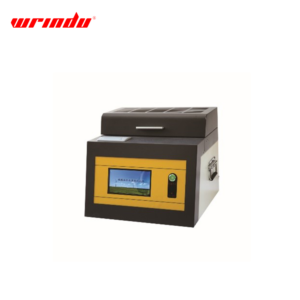
Click the image to know more about Wrindu Oil BDV Tester.
What Does Transformer Oil Color Tell Us About Oil Quality?
Fresh transformer oil is usually clear and light yellow. After long periods of service, the oil may become darker because of oxidation, heat exposure, and contamination.
Oxidation occurs when oil reacts with oxygen over time. High temperatures and operating conditions can speed up this process. Oxidation may produce acids, sludge, and other unwanted substances. These changes can reduce oil quality and may affect its insulating performance.
However, not every dark oil sample has a low BDV value. Oil color provides useful information about its condition, but engineers should combine visual checks with laboratory test results before deciding whether the oil needs treatment or replacement.
How Can Oil Contaminants Affect BDV Test Results?
Several contaminants can affect the electrical strength of transformer oil. Some may also change its appearance.
1. Water in Transformer Oil
Water is one of the important factors that can reduce the breakdown voltage of insulating oil. When moisture enters the oil, it may affect the electrical field between the test electrodes and make breakdown more likely.
A high water content can sometimes make oil look cloudy or milky. However, oil may contain harmful moisture even when it still looks clear. Visual inspection cannot measure the actual water content.
If a BDV result is lower than expected, engineers should consider testing the oil’s moisture content as well.
2. Dirt and Solid Particles
Dust, fibers, metal particles, and other solid contaminants can enter transformer oil during operation, maintenance, or sample collection.
These particles may disturb the electric field between the electrodes. Under certain conditions, they can help trigger an electrical breakdown and lead to a lower BDV reading.
Contaminated oil may appear darker or less clear. Even so, appearance alone cannot identify the type or amount of particles present. Proper sample handling and additional oil analysis are necessary to assess the problem.
3. Oxidation and Sludge Formation
Long-term exposure to heat and oxygen can cause transformer oil to oxidize. As oxidation products build up, the oil may darken and form sludge.
Sludge and other aging products can indicate that the oil has deteriorated. They may also affect heat transfer and the overall condition of the insulating system. Their effect on BDV depends on the oil’s condition and the nature of the contaminants.
A darker sample should therefore receive further attention, especially if the oil has been in service for a long time or other test results also show deterioration.
Can Oil Additives Affect Color and BDV?
Some insulating oils contain additives that help improve performance or slow down oxidation. Antioxidants, for example, can help delay the aging process under suitable operating conditions.
The type and amount of additives may influence the oil’s appearance. A slight color difference does not automatically mean that the oil has lost its insulating ability.
Over time, additives may be consumed or change as the oil ages. These changes can affect oil condition, but their impact cannot be determined from color alone.
When an oil sample shows an unusual color change, engineers should consider the oil type, its service history, and relevant test data before drawing conclusions.
What Should Engineers Check When Dark Oil Has a Low BDV Result?
A low BDV value does not always mean that the oil itself has permanently lost its insulating strength. Sample collection, storage, preparation, and test conditions can also influence the result.
When a dark oil sample produces an unexpectedly low reading, engineers should check the following factors:
- Sample condition: Look for visible water, particles, cloudiness, or other unusual changes.
- Moisture content: Use an appropriate test to measure water in the oil.
- Test cell and electrodes: Make sure the test cell is clean and the electrodes are in suitable condition.
- Test procedure: Follow the applicable test standard, including its requirements for sample preparation, electrode spacing, and voltage application.
- Repeatability: Repeat the test as required by the relevant procedure and investigate unusual differences between results.
- Other oil tests: Consider additional tests to assess oxidation, acidity, contamination, or other aspects of oil condition.
For reliable comparisons, engineers should use consistent sampling and testing procedures. A single BDV result or a visual color check should not be the only basis for a maintenance decision.
How Can an Oil BDV Tester Help Assess Transformer Oil?
An oil BDV tester applies a controlled AC voltage to an insulating oil sample until electrical breakdown occurs. The instrument records the breakdown voltage, helping engineers assess the oil’s ability to withstand electrical stress under the specified test conditions.
A suitable tester should support the required test method and electrode arrangement. Users should also check voltage range, breakdown detection, test settings, and measurement records when comparing equipment.
The Wrindu Oil BDV Tester is designed for insulating oil breakdown voltage testing. Buyers should confirm that the selected model supports their required standard, including ASTM D1816 where applicable, and has compatible VDE electrodes and test settings.
For more information, visit the Wrindu Oil BDV Tester or contact the Wrindu team to discuss specific testing requirements.
Conclusion
Transformer oil color can provide clues about oil aging, oxidation, and possible contamination. Water, solid particles, and oil degradation may affect BDV test results, but a color change does not always mean that the breakdown voltage will decrease.
Engineers should use oil color as an initial warning sign rather than a final judgment. Combining BDV testing with moisture measurement, visual inspection, and other suitable oil condition tests provides a more reliable basis for maintenance decisions.
A suitable oil BDV tester, correct sample preparation, and consistent testing procedures all help improve the reliability of oil assessment.
References
ASTM International, ASTM D1816, Standard Test Method for Dielectric Breakdown Voltage of Insulating Liquids Using VDE Electrodes.
International Electrotechnical Commission, IEC 60156, Insulating Liquids — Determination of the Breakdown Voltage at Power Frequency — Test Method.
