

AC Cable vs MC Cable: Industrial Comparison of Grounding and Shielding Performance
Compare AC cable vs MC cable in industrial electrical systems. Learn the differences in grounding, EMI shielding, durability, temperature rating, and outdoor performance. Discover why MC cable is preferred for factories, substations, motors, VFD systems, and high-reliability industrial applications.
AC cable vs MC cable is a common topic in industrial electrical installations because grounding reliability and EMI shielding directly affect system safety, equipment protection, and long-term performance.
Both cable types use metal armor for mechanical protection, but their grounding structure and shielding efficiency are very different. This guide explains the differences between AC cable and MC cable, including construction, industrial applications, grounding performance, EMI resistance, and future market trends.
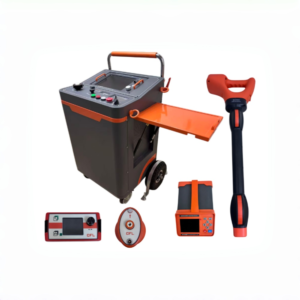
Click the image to know more about Wrindu Cable Testing Systems.
What Is AC Cable?
AC cable, also called armored cable or BX cable, uses a flexible metal armor wrapped around insulated conductors. The aluminum or steel interlocked armor protects the internal wires from impact, compression, and rodents.
A bonding strip inside the cable works together with the armor as the grounding path.
Main Features of AC Cable
- Flexible metal armored design
- Basic mechanical protection
- Internal bonding strip for grounding
- Common in dry indoor environments
- Widely used in commercial and residential buildings
Although AC cable provides good physical protection, it has limitations in industrial environments.
Limitations of AC Cable
- Not suitable for wet or outdoor locations
- Grounding depends on armor continuity
- Performance may decrease under vibration or corrosion
- Lower resistance to heavy EMI environments
Because of these limitations, AC cable is usually used for light commercial or indoor dry applications.
What Is MC Cable?
MC cable, or metal-clad cable, is an upgraded armored cable designed for industrial and demanding environments.
Unlike AC cable, MC cable includes a dedicated equipment grounding conductor (EGC). This separate grounding conductor improves electrical safety and fault current performance.
Main Features of MC Cable
- Dedicated grounding conductor
- Better moisture resistance
- Suitable for wet and outdoor locations
- Higher temperature rating
- Stronger EMI shielding performance
- Longer support spacing during installation
The internal mylar or polypropylene wrap also improves protection against moisture and contamination.
Why Is Grounding Performance Important in Industrial Cable Systems?
Grounding is one of the biggest differences in the AC cable vs MC cable comparison.
How Does AC Cable Grounding Work?
AC cable uses:
- Metal armor
- Internal bonding strip
Together, they create the grounding path.
However, sharp bending, vibration, corrosion, or loose fittings can reduce grounding reliability over time.
How Does MC Cable Grounding Work?
MC cable uses a full-size grounding conductor independent from the armor.
This design provides:
- Lower grounding resistance
- Faster fault clearing
- Better protection against arc faults
- More stable grounding under vibration
Industrial testing shows that MC cable can clear faults significantly faster than AC cable in high-load environments.
Which Cable Provides Better EMI Shielding?
Electromagnetic interference (EMI) is a major issue in factories, substations, and automation systems.
EMI Sources in Industrial Facilities
Common EMI sources include:
- Variable frequency drives (VFDs)
- Welding equipment
- Inverters
- Motors
- EV charging systems
AC Cable Shielding Performance
The metal armor of AC cable provides moderate EMI protection. However, the lack of a dedicated grounding conductor reduces shielding effectiveness in high-noise environments.
MC Cable Shielding Performance
MC cable delivers stronger EMI protection because the grounding conductor helps drain induced electrical noise more efficiently.
In industrial environments with heavy interference, MC cable can reduce electrical noise much more effectively than standard AC cable.
High-end MC cables may also include additional foil or braided shielding for sensitive PLC and automation systems.
What Are the Main Differences Between AC Cable and MC Cable?
| Feature | AC Cable | MC Cable |
|---|---|---|
| Grounding Method | Armor + bonding strip | Dedicated grounding conductor |
| Wet Location Use | No | Yes |
| EMI Shielding | Moderate | Superior |
| Temperature Rating | 75°C | Up to 90°C |
| Industrial Durability | Medium | High |
| Outdoor Installation | Limited | Supported with proper jacket |
| Vibration Resistance | Lower | Higher |
| Typical Applications | Commercial indoor wiring | Industrial systems, motors, substations |
This comparison explains why MC cable is preferred for demanding industrial installations.
Where Are MC Cables Commonly Used?
Manufacturing Plants
Factories use MC cable for:
- Conveyor systems
- Motor circuits
- PLC control wiring
- Automation equipment
Oil and Gas Facilities
MC cable performs well in corrosive and vibration-heavy environments.
Renewable Energy Projects
Solar farms and wind power systems use MC cable because of its grounding reliability and outdoor resistance.
Utility Substations
Utilities prefer MC cable for feeder circuits and high-reliability grounding systems.
How Is the Industrial Cable Market Changing?
Global demand for armored cable continues to grow because of:
- Industrial automation
- Renewable energy expansion
- EV charging infrastructure
- Smart manufacturing
- Higher grounding safety standards
Industry reports show strong annual growth in the MC cable market as electrical systems become more complex and EMI-sensitive.
Stricter NEC grounding requirements also increase adoption of MC cable in North America.
How Does Wrindu Support Industrial Cable Testing?
Wrindu specializes in high-voltage testing and diagnostic solutions for industrial electrical systems.
Founded in 2014, the company develops advanced testing equipment for:
- Power cables
- Transformers
- Circuit breakers
- Relays
- Insulation systems
- High-voltage electrical assets
Wrindu products meet ISO9001, IEC, and CE standards and are widely used in utility, industrial, and renewable energy projects worldwide.
What Technologies Improve Modern MC Cable Performance?
Modern MC cable designs include advanced technologies such as:
- Precision interlocked aluminum armor
- Low-resistance grounding conductors
- Moisture-resistant inner wraps
- Additional foil shielding
- Flexible armored structures
- High-temperature insulation materials
Some next-generation MC cables also support smart monitoring systems for predictive maintenance applications.
What Are the Best Installation Practices for MC Cable?
Correct installation improves safety and cable lifespan.
Recommended Installation Practices
- Use approved connectors and fittings
- Secure cable every 6 feet
- Check grounding continuity after installation
- Avoid excessive bending
- Use moisture-resistant jackets outdoors
- Verify grounding resistance with testing equipment
Proper installation ensures maximum shielding and grounding performance.
What Are the Future Trends in Armored Cable Systems?
Future armored cable systems will focus on:
- Smart fault monitoring
- IoT-connected cable diagnostics
- Lightweight aluminum shielding
- Improved EMI suppression
- Hybrid power and fiber-optic cable designs
- Better underground durability for renewable projects
Industrial cable systems will continue evolving to support Industry 4.0 and smart grid infrastructure.
FAQs About AC Cable vs MC Cable
What is the biggest difference between AC cable and MC cable?
The main difference is grounding. MC cable includes a dedicated grounding conductor, while AC cable relies on the armor and bonding strip.
Can MC cable be used outdoors?
Yes. MC cable can be installed outdoors or in wet environments when combined with proper moisture-resistant jackets and fittings.
Which cable is better for industrial environments?
MC cable is usually the better choice because it offers stronger grounding, better EMI protection, and higher durability.
Why is MC cable better for motors and VFD systems?
MC cable handles vibration, heat, and electromagnetic interference more effectively, reducing nuisance trips and electrical noise.
Is AC cable allowed in wet locations?
No. Standard AC cable is designed mainly for dry indoor locations.
Does MC cable reduce electromagnetic interference?
Yes. The dedicated grounding conductor improves EMI drainage and shielding effectiveness.
What industries use MC cable the most?
Common industries include:
- Manufacturing
- Utilities
- Oil and gas
- Renewable energy
- Data centers
- Transportation systems
How long does MC cable last in industrial environments?
With proper installation and maintenance, MC cable can last decades, even in harsh industrial conditions.
Is MC cable more expensive than AC cable?
Yes, but the higher reliability, safety, and longer service life often reduce total maintenance costs over time.
Why do substations prefer MC cable?
Substations require reliable grounding and high resistance to EMI, vibration, and transient electrical events, making MC cable a preferred solution.
Industrial users choosing between AC cable vs MC cable should consider grounding reliability, environmental conditions, EMI levels, and long-term maintenance requirements before selecting the right cable system.
