

Power Quality Analysis: Complete Guide to Methods, Tools, and Standards
Learn power quality analysis methods, tools, and standards for detecting harmonics, voltage sags, transients, and power factor issues. Explore power quality analyzers, IEC 61000-4-30 compliance, monitoring solutions, and practical applications for industrial, utility, and renewable energy systems.
Power quality analysis is the process of checking electrical systems for problems such as voltage sags, harmonics, transients, and frequency instability. These issues can reduce equipment performance, shorten asset life, and increase downtime in industrial plants, substations, commercial buildings, and renewable energy systems.
By using advanced power quality analysis tools, engineers can measure voltage, current, harmonics, power factor, and waveform disturbances to improve system reliability and energy efficiency.
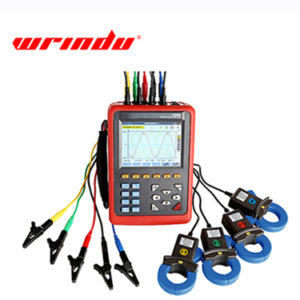
Click the image to know more about Wrindu Power Quality Analysis Testers.
What Is Power Quality Analysis?
Power quality analysis refers to the monitoring and evaluation of electrical power conditions to ensure stable and clean energy delivery. The goal is to identify abnormal events that may affect motors, transformers, relays, drives, and sensitive electronic equipment.
A proper power quality assessment helps engineers detect:
- Voltage sags and swells
- Harmonic distortion
- Flicker
- Phase imbalance
- Frequency variation
- Transient overvoltage
- Poor power factor
Modern power quality analyzers collect data in real time and help maintenance teams quickly locate the source of electrical disturbances.
Why Is Power Quality Analysis Important?
Poor power quality can lead to serious operational problems, including:
- Unexpected equipment shutdowns
- Transformer overheating
- Motor failures
- Data loss in servers
- Higher energy costs
- Reduced equipment lifespan
Regular power quality monitoring improves electrical system stability and prevents expensive downtime. It also helps facilities meet utility and international compliance standards.
Industries such as manufacturing, utilities, renewable energy, railways, and data centers rely heavily on continuous power quality testing.
Which Parameters Are Measured in Power Quality Analysis?
Professional power quality analysis equipment measures multiple electrical parameters during testing.
Voltage and Current
Voltage and current measurements reveal overload conditions, dips, and abnormal operating behavior in electrical networks.
Harmonic Distortion
Harmonics are unwanted frequencies caused by nonlinear loads like:
- Variable frequency drives (VFDs)
- UPS systems
- LED lighting
- Solar inverters
Total Harmonic Distortion (THD) is one of the most important indicators in power quality analysis.
Frequency Stability
Frequency analysis ensures generators and utility systems maintain stable operation during changing load conditions.
Power Factor
Low power factor increases energy losses and utility penalties. Power quality analyzers help identify reactive power issues and improve efficiency.
Phase Imbalance
Three-phase imbalance can cause overheating and reduced motor efficiency. Continuous monitoring prevents long-term damage.
Transient Events
Transient analysis captures short-duration spikes and surges that can destroy sensitive equipment.
How Do Power Quality Analyzers Work?
Modern power quality analyzers use high-speed digital sampling technology to capture voltage and current waveforms.
Key technologies include:
- FFT harmonic analysis
- Event triggering
- Oscilloscope waveform display
- GPS time synchronization
- Long-term data logging
- Wireless communication
- AI-based fault recognition
Advanced analyzers can record hundreds of parameters simultaneously for detailed troubleshooting and reporting.
What Are the Main Types of Power Quality Analysis Tools?
Different applications require different types of power quality testing equipment.
| Tool Type | Main Features | Common Applications |
|---|---|---|
| Portable Power Quality Analyzer | Real-time monitoring, battery-powered operation | Field troubleshooting, substations |
| Class A Power Quality Analyzer | IEC-compliant high accuracy | Utility and grid compliance |
| Data Logging Power Meter | Long-term trend recording | Energy audits and facility monitoring |
| Harmonic Analyzer | Detailed FFT harmonic analysis | VFD and inverter diagnostics |
| Permanent Monitoring System | Continuous online monitoring | Smart grids and industrial plants |
These instruments can measure more than 100 electrical parameters, including active power, reactive power, apparent power, and waveform distortion.
Which Standards Apply to Power Quality Analysis?
International standards ensure accurate and consistent testing results.
IEC 61000-4-30
IEC 61000-4-30 Class A is one of the most important standards for professional power quality analysis. It defines measurement accuracy and event recording requirements.
IEEE 519
IEEE 519 sets harmonic distortion limits for industrial and commercial electrical systems.
EN 50160
EN 50160 defines voltage quality requirements in European public distribution systems.
Using compliant equipment ensures reliable measurements and supports grid connection approvals.
How Is Power Quality Analysis Used in Real Applications?
Renewable Energy Systems
Solar farms and wind power stations use power quality monitoring to control inverter harmonics and voltage fluctuations.
Manufacturing Plants
Factories use harmonic analysis and phase imbalance detection to reduce motor failures and production downtime.
Data Centers
Data centers rely on continuous monitoring to prevent voltage sags and maintain stable server operation.
Utility Substations
Utilities perform long-term power quality surveys to improve grid reliability and reduce penalties.
How Is the Power Quality Analyzer Market Changing?
The global demand for power quality analysis equipment continues to grow because of:
- Renewable energy integration
- EV charging infrastructure
- Smart grid development
- Industrial automation
- Increased use of nonlinear electronic loads
Industry reports show the power quality analyzer market growing steadily each year as companies invest in predictive maintenance and energy optimization.
AI-powered analyzers are becoming more popular because they can automatically identify abnormal electrical patterns before failures occur.
How Does Wrindu Support Power Quality Testing?
Wrindu specializes in the design and manufacturing of high-voltage testing and diagnostic equipment for global power industries.
Founded in 2014, the company provides testing solutions for:
- Transformers
- Circuit breakers
- Lightning arresters
- Batteries
- Cables
- Protection relays
- Insulation systems
Wrindu products follow ISO9001, IEC, and CE standards, helping utilities and industrial users improve testing accuracy, operational safety, and long-term system reliability.
What Are the Future Trends in Power Quality Analysis?
Future power quality analysis systems will focus on:
- AI-based predictive diagnostics
- Real-time cloud monitoring
- IoT-connected sensors
- Smart microgrid analysis
- EV charging power management
- Edge computing for faster response
As power systems become more complex, advanced monitoring will play a critical role in maintaining grid stability and equipment protection.
FAQs About Power Quality Analysis
What causes harmonic distortion in electrical systems?
Harmonics are usually caused by nonlinear electronic devices such as VFDs, UPS systems, LED lighting, and solar inverters. These devices distort the normal sinusoidal waveform.
How often should industrial facilities perform power quality analysis?
Most industrial plants should perform power quality surveys every 3 to 6 months. Facilities with heavy loads or sensitive equipment may require continuous monitoring.
Can a power quality analyzer detect transient voltage spikes?
Yes. Advanced power quality analyzers can capture fast transient events that may damage relays, PLCs, drives, and electronic systems.
Why is IEC 61000-4-30 Class A important for power quality testing?
IEC 61000-4-30 Class A ensures highly accurate and standardized measurements, especially for utilities, substations, and grid compliance applications.
What is the difference between a power quality analyzer and a multimeter?
A multimeter measures basic voltage and current values, while a power quality analyzer records harmonics, transients, waveform distortion, flicker, and long-term events.
Can power quality analysis reduce energy costs?
Yes. Identifying harmonic distortion, poor power factor, and imbalance helps improve efficiency, reduce losses, and lower utility penalties.
Which industries need power quality monitoring the most?
Industries with sensitive or high-power equipment benefit the most, including:
- Manufacturing
- Utilities
- Data centers
- Renewable energy plants
- Rail systems
- Oil and gas facilities
How does poor power quality affect motors and transformers?
Poor power quality can cause overheating, insulation stress, vibration, reduced efficiency, and premature equipment failure.
Is continuous power quality monitoring better than periodic testing?
Continuous monitoring provides real-time visibility into electrical system performance and helps detect issues before failures happen. Periodic testing is suitable for smaller or stable facilities.
What should users consider when selecting a power quality analyzer?
Key factors include:
- Sampling rate
- Harmonic measurement range
- IEC compliance
- Data storage capacity
- Communication protocols
- Reporting software
- Portability and safety rating
Reliable power quality analysis helps improve equipment performance, reduce downtime, and ensure stable electrical operation across modern power systems.
