

Chemical Resistance in Substations | Protecting HV Equipment from Corrosion and Contamination | Wrindu
Learn why chemical resistance is critical in substations and how corrosive environments affect insulation systems, seals, and metal components. Discover strategies to improve HV equipment reliability through proper materials and preventive maintenance.
Chemical resistance is an important factor in the long-term reliability of substation equipment. High-voltage systems are often exposed to harsh industrial environments where oils, gases, moisture, salt, pollution, and chemical contaminants can gradually damage insulation materials, sealing systems, and metal components.
Without proper chemical resistance, electrical equipment may experience corrosion, insulation degradation, leakage problems, and reduced operational lifespan.
This article explains why chemical resistance matters in substations, which materials are most vulnerable, and how utilities can improve equipment durability in chemically aggressive environments.
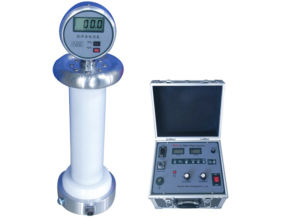
Click the image to know more about DC Withstand Voltage Tester.
What Does Chemical Resistance Mean in Substation Equipment?
Chemical resistance refers to a material’s ability to withstand exposure to corrosive substances without losing its physical or electrical performance.
In substations, chemical exposure may affect:
- Sealing materials
- Insulation systems
- Cable jackets
- Protective coatings
- Metal enclosures
- Connectors and terminals
Good chemical resistance helps maintain equipment reliability under difficult environmental conditions.
Why Are Chemical Conditions Important in Substations?
Substations operate in many different environments, including:
- Coastal regions
- Industrial zones
- Mining areas
- Chemical plants
- Humid outdoor locations
These environments may expose equipment to substances that accelerate aging and corrosion.
Over time, chemical exposure can reduce insulation integrity and increase failure risk.
Which Chemicals Commonly Affect HV Equipment?
Several contaminants may damage substation components.
Common examples include:
- Salt spray
- Industrial gases
- Transformer oil residues
- Acidic pollutants
- Cleaning chemicals
- Sulfur compounds
- Moisture mixed with airborne particles
Even low concentrations may gradually weaken electrical materials during long-term exposure.
How Does Chemical Exposure Affect Insulation Systems?
Chemical contamination can reduce dielectric performance and insulation reliability.
Possible effects include:
- Surface tracking
- Reduced insulation resistance
- Material swelling
- Cracking or hardening
- Increased leakage current
Insulation materials that absorb chemicals may deteriorate faster under electrical stress.
Why Are Sealing Materials Sensitive to Chemicals?
Seals and gaskets are constantly exposed to environmental conditions.
Poor chemical resistance may cause:
- Loss of elasticity
- Swelling
- Seal deformation
- Gas leakage
- Oil seepage
Substation sealing systems must remain stable even when exposed to oils, gases, and outdoor pollutants.
Can Corrosion Damage Electrical Equipment?
Yes. Corrosion is one of the most serious consequences of chemical exposure.
Corrosion may affect:
- Metal enclosures
- Grounding systems
- Connectors
- Busbars
- Structural supports
Over time, corrosion can weaken electrical connections and reduce mechanical strength.
Why Are Coastal Substations More Vulnerable?
Coastal substations face continuous exposure to salt-rich air.
Salt contamination increases:
- Surface conductivity
- Corrosion rates
- Flashover risk
- Insulation aging
Special chemical-resistant materials and protective coatings are often required in coastal installations.
How Do Industrial Environments Affect Substation Reliability?
Industrial facilities may release airborne chemicals that affect nearby substations.
Examples include:
- Sulfur compounds
- Chemical vapors
- Dust contamination
- Oil particles
These contaminants may accelerate insulation degradation and corrosion if not properly controlled.
Which Materials Offer Better Chemical Resistance?
Different materials provide different levels of chemical protection.
Fluoroelastomer-Based Seals
Often used in chemically aggressive environments because of strong oil and chemical resistance.
Silicone Materials
Provide good weather resistance and moderate chemical stability.
Stainless Steel Components
Commonly used for corrosion resistance in outdoor substations.
Protective Coatings
Special coatings help reduce chemical attack on metal surfaces.
Material selection depends on environmental exposure conditions.
How Can Utilities Improve Chemical Resistance in Substations?
Several strategies help improve long-term durability.
Use Proper Material Selection
Choose sealing and insulation materials based on environmental risks.
Perform Regular Cleaning
Removing contamination reduces surface conductivity and corrosion risk.
Apply Protective Coatings
Coatings help protect exposed metal surfaces.
Monitor Environmental Conditions
Regular inspections help identify chemical exposure problems early.
Implement Preventive Maintenance
Routine testing helps detect deterioration before major failure occurs.
Why Is Chemical Resistance Important for Preventive Maintenance?
Chemical deterioration often develops slowly and may remain unnoticed for years.
Preventive maintenance helps utilities:
- Detect corrosion early
- Monitor insulation condition
- Identify seal degradation
- Reduce unexpected failures
- Extend equipment lifespan
Early detection significantly lowers maintenance costs and outage risk.
How Wrindu Testers Stand Out
As a professional manufacturer of electrical testing equipment, Wrindu provides advanced diagnostic solutions that help utilities evaluate insulation and equipment condition in chemically challenging substation environments.
Wrindu testing solutions support reliable maintenance through:
- Stable high-voltage testing capability
- Accurate insulation diagnostic performance
- Durable industrial-grade design
- Reliable operation in harsh environments
- User-friendly field applications
- Support for long-term preventive maintenance strategies
Wrindu focuses on helping utilities improve substation reliability and reduce equipment failure risks caused by environmental and chemical stress.
What Are Early Signs of Chemical Damage in Substations?
Several warning signs may indicate chemical deterioration.
Common indicators include:
- Surface discoloration
- Corrosion marks
- Seal hardening
- Cracking insulation
- Increased leakage current
- Oil leakage
- Abnormal insulation test results
Routine inspection helps identify these issues before serious damage occurs.
FAQs About Chemical Resistance in Substations
What is chemical resistance in substation equipment?
Chemical resistance refers to a material’s ability to withstand corrosive substances without losing performance or reliability.
Why is chemical resistance important in HV substations?
Chemical exposure can damage insulation, seals, and metal components, increasing equipment failure risk.
Which environments are most harmful to substation equipment?
Coastal areas, industrial zones, chemical plants, and humid outdoor locations often create severe chemical exposure conditions.
Can chemical contamination affect insulation performance?
Yes. Chemical contamination may reduce dielectric strength and increase leakage current or surface tracking.
What materials are commonly used for chemical resistance?
Fluoroelastomer seals, stainless steel components, protective coatings, and chemically stable insulation materials are widely used.
How can utilities reduce chemical damage in substations?
Regular cleaning, proper material selection, environmental monitoring, and preventive maintenance all help improve equipment durability.
Does corrosion affect electrical safety?
Yes. Corrosion can weaken electrical connections and increase operational risk in high-voltage systems.
Conclusion
Chemical resistance is essential for maintaining the reliability and safety of substation equipment in harsh operating environments. Exposure to salt, industrial pollution, oils, moisture, and corrosive gases can gradually damage insulation systems, seals, and structural components.
By selecting chemically resistant materials and implementing effective preventive maintenance programs, utilities can significantly improve substation durability, reduce failure risks, and extend the operational life of critical high-voltage assets.
