

Leak Testing During FAT for Transformer Testing Equipment Guide
Learn how leak testing during FAT ensures transformer leak prevention and improves reliability. Discover oil leak testing methods, key transformer testing equipment, and how factory acceptance tests help detect sealing issues before shipment.
Leak testing during FAT (Factory Acceptance Test) is a key step in ensuring transformer quality before shipment. It helps confirm that the transformer has no oil leakage, sealing defects, or pressure-related issues.
For manufacturers and utilities, FAT leak testing reduces field failure risk and improves long-term reliability of transformer testing equipment systems.
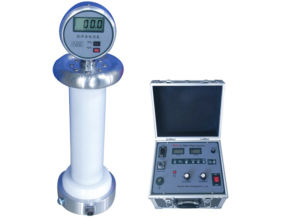
Click the image to know more about DC Withstand Voltage Tester.
What Is Leak Testing During FAT?
Leak testing during FAT is a set of procedures used to check whether a transformer is fully sealed before it leaves the factory.
It is part of the broader Factory Acceptance Test process.
The main goal is to verify:
- No oil leakage
- No air leakage
- Strong sealing integrity
- Stable pressure system
This step is essential for transformer leak prevention.
Why Is Leak Testing Important in Transformer FAT?
Leak issues are easier and cheaper to fix at the factory stage than in the field.
Without proper oil leak testing transformer procedures, problems may include:
- Oil loss during transportation
- Insulation degradation
- Environmental contamination
- High maintenance cost
- Unexpected failure in service
FAT leak testing helps ensure the transformer is ready for real-world operation.
How Is Oil Leak Testing Done During FAT?
Different transformer testing equipment is used during FAT depending on design and standards.
Common methods include:
Pressure Testing
The transformer is pressurized with dry air or nitrogen to detect leakage points.
Vacuum Testing
A vacuum is applied to check sealing performance under negative pressure.
Helium or Gas Leak Detection
Sensitive gas detection systems identify very small leaks.
Visual Inspection
All joints, valves, and welds are checked manually.
These methods help ensure strong transformer leak prevention before delivery.
What Transformer Parts Are Most Likely to Leak?
During FAT, engineers focus on high-risk areas such as:
- Gasket joints
- Flange connections
- Radiator seals
- Oil valves
- Welding seams
- Buchholz relay connections
These points are common weak spots in transformer sealing systems.
How Does FAT Improve Transformer Leak Prevention?
FAT ensures that all sealing systems meet design standards before shipment.
It helps:
- Detect manufacturing defects early
- Confirm sealing quality
- Reduce field installation problems
- Improve transformer reliability
- Extend service life
Using proper transformer testing equipment during FAT significantly reduces long-term leakage risks.
What Role Does Transformer Testing Equipment Play in FAT?
Modern transformer testing equipment provides accurate and repeatable results during FAT.
Typical tools include:
- Pressure test systems
- Vacuum pumps and gauges
- Gas leak detectors
- Infrared thermal cameras
- Oil quality analyzers
These tools help engineers confirm transformer integrity before deployment.
What Happens If a Leak Is Found During FAT?
If a leak is detected:
- The fault location is identified
- Seals or gaskets are replaced
- Welds may be repaired
- Testing is repeated
The transformer cannot be approved until it passes all leak testing requirements.
How Long Does FAT Leak Testing Take?
The duration depends on transformer size and complexity.
Generally:
- Small transformers: a few hours
- Large power transformers: 1–3 days
Multiple test cycles may be required to confirm stability.
Why Is FAT Better Than Field Leak Testing?
FAT leak testing is more controlled and accurate because:
- Factory conditions are stable
- Advanced testing equipment is available
- Repairs are easier and faster
- Quality control is stricter
Field testing is still important, but FAT ensures baseline quality.
FAQs
What is leak testing during FAT?
It is a factory process used to check transformer sealing and detect oil or gas leaks before shipment.
Why is oil leak testing important in transformers?
It prevents oil loss, insulation failure, and costly field repairs.
What equipment is used for FAT leak testing?
Common transformer testing equipment includes pressure testers, vacuum systems, and gas leak detectors.
Which transformer parts are most likely to leak?
Gaskets, flanges, valves, and welded joints are the most common leakage points.
Can FAT detect very small leaks?
Yes. Gas leak detection systems can identify even very small leakage points.
What happens if a transformer fails FAT leak testing?
It must be repaired and retested before approval and shipment.
Is FAT leak testing mandatory?
Yes, for most power transformers and critical industrial applications it is a standard requirement.
How does FAT improve transformer reliability?
It ensures sealing integrity and reduces the risk of field failures after installation.
