

DC vs VLF Testing: How Wrindu Equipment Helps Ensure Safer Cable Insulation Testing?
Explore DC vs VLF testing for XLPE cables and see how Wrindu equipment ensures accurate, safe, and reliable high-voltage insulation testing in the field.
High-voltage cable testing is critical for assessing insulation integrity. Engineers often need to choose between DC testing and VLF (Very Low Frequency) testing, especially for XLPE and modern polymer cables. Using the right equipment is key to accurate, safe, and reliable testing. Wrindu’s advanced cable testing systems simplify both DC and VLF testing while minimizing insulation risks.
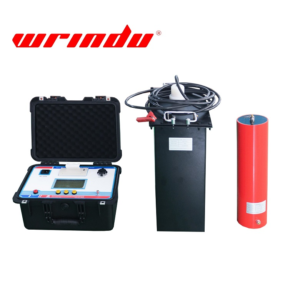
Click the picture to know more about Wrindu VLF HV Tester.
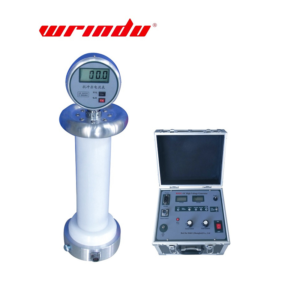
Click the picture to know more about Wrindu DC Hipot Tester.
How Do DC and VLF Testing Differ in Voltage Application?
DC Testing:
-
Applies a constant high voltage to the cable.
-
Can create uneven voltage distribution in XLPE insulation, leading to space charge accumulation.
-
May leave residual voltage in the insulation, increasing post-test hazards.
VLF Testing:
-
Uses a low-frequency AC voltage (0.01–0.1 Hz) that mimics operational stress without excessive capacitive currents.
-
Produces uniform voltage distribution, reducing overstress risks for polymer cables.
Wrindu Application:
Wrindu DC and VLF testers allow precise control of voltage amplitude and polarity. Engineers can safely apply DC or VLF stress while monitoring leakage current in real time, minimizing insulation damage.
Which Method Provides More Reliable Leakage Current Measurement?
DC Testing:
-
Leakage current includes contributions from residual charge and surface effects.
-
Readings may overstate insulation defects or cause false alarms.
VLF Testing:
-
Leakage current reflects true insulation weaknesses under near-operating conditions.
-
Produces stable measurements with less noise interference.
Wrindu Application:
Wrindu’s microammeter and shielding technology ensure leakage current is measured accurately. The equipment automatically compensates for environmental effects like humidity, giving operators reliable results for both DC and VLF testing.
What Are the Safety and Aging Risks of DC vs VLF Testing?
DC Testing Risks:
-
Uneven electric stress can accelerate insulation aging in XLPE cables.
-
Residual voltage increases post-test handling hazards.
VLF Testing Benefits:
-
Lower stress reduces risk of insulation damage.
-
Minimal residual voltage enhances operator safety.
-
Suitable for in-service and preventive maintenance testing.
Wrindu Application:
Wrindu VLF systems provide smooth voltage ramp-up and controlled testing duration. Operators can perform high-voltage tests safely, protecting insulation and reducing long-term aging effects.
When Should Engineers Choose DC or VLF Testing?
DC Testing:
-
Best for older paper-insulated or oil-paper insulated cables.
-
Suitable for controlled lab testing with known insulation types.
VLF Testing:
-
Recommended for XLPE, EPR, and modern polymer cables.
-
Ideal for field tests, preventive maintenance, and periodic insulation monitoring.
Wrindu Application:
Wrindu cable testing devices support both DC and VLF modes. Engineers can select the optimal method depending on cable type, test objectives, and environment, while benefiting from automated safety and measurement features.
Wrindu Expert Review
Choosing the right testing method is essential for cable insulation health. VLF testing generally provides safer, more accurate results for modern XLPE cables. Wrindu’s DC and VLF testing systems allow engineers to perform high-voltage insulation tests with precision, safety, and repeatability, reducing aging and extending cable life.
