

Grounding System Maintenance Checklist: How to Prevent Ground Resistance Problems Before Failure
Learn how to maintain a grounding system effectively with a practical checklist covering inspections, ground resistance testing, common problems, and preventive maintenance methods.
Why Does a Grounding System Need Regular Maintenance?
A grounding system is designed to protect electrical equipment and personnel by providing a safe path for fault current.
However, grounding performance does not remain unchanged throughout the entire service life of an installation.
Over time, grounding systems may be affected by:
- Underground corrosion
- Mechanical damage
- Soil condition changes
- Aging connections
- Environmental exposure
A grounding system that was reliable during installation may gradually lose performance if it is not properly maintained.
Regular maintenance helps ensure:
- Stable grounding performance
- Reliable protection during electrical faults
- Reduced equipment damage risks
- Longer service life of grounding components
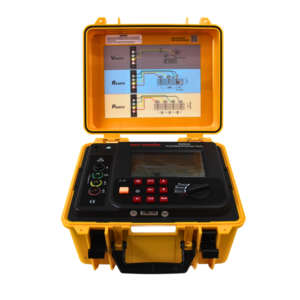
Click the picture to know more about Wrindu Earth Resistance Tester.
What Are the Main Components That Require Grounding Maintenance?
A complete maintenance program should consider every part of the grounding network.
How Should Grounding Conductors Be Inspected?
Grounding conductors carry fault current from electrical equipment into the earth.
During inspection, engineers should check:
- Physical damage
- Corrosion marks
- Broken sections
- Connection conditions
- Signs of overheating
Damaged grounding conductors may increase resistance and reduce the effectiveness of the protection system.
Why Should Grounding Connections Be Checked Regularly?
Connections are one of the most common weak points in grounding systems.
Problems may develop because of:
- Loose bolts
- Oxidation
- Poor installation
- Mechanical vibration
A small connection problem can significantly affect grounding performance during fault conditions.
How Should Ground Electrodes Be Maintained?
Ground electrodes are directly exposed to soil conditions.
Maintenance should focus on:
- Corrosion level
- Physical condition
- Installation environment
- Connection quality
In areas with aggressive soil conditions, electrode degradation may happen faster.
How Can Engineers Identify Early Grounding System Problems?
Preventive maintenance focuses on finding problems before failures occur.
What Are the Warning Signs of Grounding Problems?
Common indicators include:
- Increasing ground resistance values
- Repeated protection system operation
- Equipment grounding abnormalities
- Corrosion around grounding points
- Unexpected electrical noise
These signs indicate that further inspection may be required.
Why Is Trend Analysis Important in Grounding Maintenance?
A single measurement provides only the current condition.
Trend analysis compares historical data to identify performance changes.
For example:
- Stable resistance values → Normal grounding condition
- Gradually increasing resistance → Possible degradation
- Sudden resistance increase → Possible damage or connection failure
Long-term monitoring provides better maintenance decisions.
How Should a Grounding Maintenance Schedule Be Created?
A proper maintenance plan should consider the environment and equipment importance.
What Factors Affect Grounding Maintenance Frequency?
Maintenance frequency depends on:
- Voltage level
- Equipment criticality
- Installation location
- Soil characteristics
- Environmental exposure
High-risk installations usually require more frequent inspection.
How Should Different Facilities Plan Maintenance?
Different applications require different approaches.
Power Substations
Maintenance should focus on:
- Ground grid performance
- Equipment grounding connections
- Fault current paths
Industrial Plants
Maintenance should include:
- Machine grounding
- Electrical panels
- Production equipment grounding
Renewable Energy Facilities
Maintenance should consider:
- Outdoor exposure
- Lightning protection systems
- Large-area grounding networks
What Testing Methods Are Used During Grounding Maintenance?
Grounding maintenance requires both physical inspection and electrical measurement.
Why Is Ground Resistance Testing Used?
Ground resistance testing verifies whether the grounding system still performs correctly.
It helps engineers evaluate:
- Actual resistance value
- System condition changes
- Maintenance requirements
When Should Soil Resistivity Testing Be Considered?
Soil resistivity testing is useful when:
- Building new grounding systems
- Expanding existing facilities
- Investigating unexpected resistance changes
It provides information about underground soil conditions.
Why Are Multiple Measurements Sometimes Required?
Grounding performance can vary because of:
- Seasonal soil changes
- Different testing locations
- Complex grounding structures
Additional measurements improve confidence in the final evaluation.
How Can Environmental Conditions Affect Grounding Maintenance?
The surrounding environment has a direct influence on grounding reliability.
How Does Moisture Change Grounding Performance?
Soil moisture affects electrical conductivity.
Changes may occur between:
- Rainy seasons
- Dry seasons
- Extreme weather conditions
Maintenance teams should consider seasonal variations when evaluating results.
How Does Industrial Pollution Affect Grounding Systems?
Industrial environments may expose grounding components to:
- Chemical substances
- Humidity
- Corrosive materials
These conditions may accelerate component aging.
Why Are Coastal Areas More Challenging for Grounding Maintenance?
Coastal environments often contain higher salt levels.
Salt exposure can increase corrosion risks for:
- Ground conductors
- Metal connections
- Electrodes
More frequent inspections may be required in these areas.
What Are the Best Practices for Grounding System Maintenance?
Should Grounding Test Records Be Maintained?
Yes.
Complete records help engineers understand long-term system performance.
A maintenance record should include:
- Test date
- Measurement results
- Equipment condition
- Repair history
- Environmental conditions
Why Should Grounding Problems Be Repaired Immediately?
Delaying repairs may increase safety risks.
Small problems can develop into:
- Higher grounding resistance
- Equipment damage
- Protection system failure
Early repair reduces future maintenance costs.
How Can Digital Test Equipment Improve Maintenance Work?
Modern grounding testers improve efficiency through:
- Automatic measurement calculation
- Data storage
- Portable operation
- Better interference resistance
These features help engineers perform more reliable field inspections.
How Does Wrindu Support Grounding System Maintenance?
Wrindu provides professional electrical testing solutions for power utilities, industrial facilities, and engineering companies.
Wrindu grounding testing equipment helps users:
- Evaluate grounding system condition
- Perform reliable resistance measurements
- Improve preventive maintenance efficiency
- Maintain electrical safety standards
Reliable testing technology allows engineers to detect problems earlier and improve the long-term performance of grounding systems.
Frequently Asked Questions About Grounding System Maintenance
How Often Should a Grounding System Be Maintained?
The maintenance interval depends on equipment importance, environmental conditions, and industry requirements.
Critical electrical systems usually require more frequent inspections.
What Is the Most Common Cause of Grounding System Failure?
Common causes include:
- Corrosion
- Loose connections
- Aging components
- Soil condition changes
Can Grounding Performance Decrease Without Visible Damage?
Yes.
A grounding system may look normal while its electrical resistance increases due to hidden problems.
Why Should Ground Resistance Be Tested During Maintenance?
Ground resistance testing confirms whether the grounding system can still provide effective protection.
What Should Be Checked Before Performing Ground Resistance Testing?
Engineers should check:
- Equipment condition
- Connection quality
- Test location
- Environmental conditions
How Can Grounding Maintenance Reduce Electrical Risks?
Regular inspection and testing help identify problems early and ensure the grounding system remains reliable.
Should Grounding Systems Be Inspected After Equipment Upgrades?
Yes.
Adding new electrical equipment may change grounding conditions and should be followed by verification testing.
Why Is Grounding Maintenance Important for Industrial Facilities?
Reliable grounding helps protect production equipment, reduce downtime, and improve workplace electrical safety.
Conclusion
Grounding system maintenance is essential for maintaining electrical safety and operational reliability.
A complete maintenance strategy should combine:
- Visual inspections
- Ground resistance testing
- Historical data analysis
- Timely repairs
By monitoring grounding performance throughout the equipment lifecycle, engineers can prevent unexpected failures, improve protection efficiency, and ensure safer electrical system operation.
