

What Is Ground Resistance Testing and Why Is It Important for Electrical Safety?
Learn what ground resistance testing is, why it is important for electrical safety, how grounding systems work, and how accurate earth resistance measurement protects equipment and people.
What Is Ground Resistance Testing?
Ground resistance testing is an electrical measurement process used to determine the resistance between a grounding system and the earth.
A grounding system is designed to provide a safe path for fault current, lightning current, and leakage current to flow into the ground. The effectiveness of this protection depends largely on the resistance value of the grounding system.
If ground resistance is too high, fault current may not dissipate properly, which can create dangerous conditions such as:
- Electrical shock hazards
- Equipment damage
- Voltage instability
- Unexpected system failures
By performing regular ground resistance testing, engineers can verify whether grounding systems remain reliable and capable of protecting electrical installations.
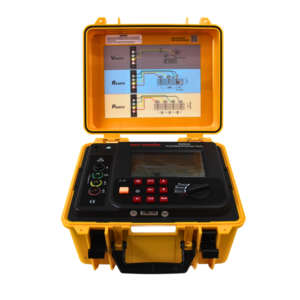
Click the picture to know more about Wrindu Earth Resistance Tester.
How Does a Grounding System Work?
A grounding system connects electrical equipment to the earth through grounding conductors and electrodes.
During normal operation:
- Electrical equipment works normally.
- Grounding conductors remain inactive.
During abnormal conditions:
- A fault occurs.
- Fault current flows through the grounding path.
- The current is safely discharged into the earth.
A properly designed grounding system reduces dangerous voltage levels and protects both equipment and personnel.
Why Is Ground Resistance Testing Important?
Ground resistance testing is important because grounding performance can change over time.
Several factors may increase grounding resistance, including:
- Soil condition changes
- Corrosion of grounding electrodes
- Loose connections
- Environmental aging
- Construction activities near grounding systems
Without regular testing, grounding problems may remain unnoticed until a serious electrical failure occurs.
What Problems Can Occur If Ground Resistance Is Too High?
A high grounding resistance value can reduce the effectiveness of electrical protection systems.
Increased Electrical Safety Risks
When fault current cannot flow quickly into the earth, dangerous touch voltage and step voltage may occur.
This creates risks for maintenance workers and operators.
Equipment Damage
Poor grounding may cause:
- Insulation stress
- Control system failures
- Damage from lightning surges
- Premature equipment aging
Sensitive equipment such as:
- transformers
- switchgear
- control systems
- communication equipment
requires reliable grounding protection.
Protection System Failure
Many electrical protection devices depend on sufficient fault current flow to operate correctly.
High grounding resistance may delay or prevent:
- circuit breaker operation
- protective relay response
- fault clearing
How Is Ground Resistance Measured?
Ground resistance is commonly measured using a professional ground resistance tester.
The basic principle follows Ohm’s Law:
R = V / I
Where:
- R = Ground resistance
- V = Voltage measured between electrodes
- I = Test current applied through the earth
The tester injects a known current into the ground and measures the resulting voltage drop.
The calculated resistance value represents the performance of the grounding system.
What Are the Main Ground Resistance Testing Methods?
Different applications require different testing methods.
3-Point Fall-of-Potential Method
The 3-point method is the most traditional and widely accepted grounding resistance measurement method.
It uses:
- Test electrode
- Current electrode
- Potential electrode
The method provides accurate results for:
- substations
- power plants
- industrial grounding systems
4-Point Soil Resistivity Method
The 4-point method measures soil resistivity before designing grounding systems.
It helps engineers determine:
- grounding electrode depth
- grounding grid size
- expected resistance values
It is commonly used in:
- new substations
- solar farms
- transmission projects
Clamp-On Ground Resistance Testing
Clamp meters allow measurement without disconnecting grounding conductors.
Advantages:
- Fast operation
- Easy field testing
- Suitable for maintenance inspections
However, it requires a complete grounding loop to obtain accurate measurements.
How Often Should Ground Resistance Testing Be Performed?
The testing frequency depends on:
- local regulations
- system voltage level
- environmental conditions
- importance of the electrical installation
Typical testing schedules include:
New Electrical Installations
Ground resistance testing should be completed before energizing the system.
Annual Preventive Maintenance
Many industrial facilities perform yearly grounding inspections.
After Repairs or Modifications
Testing confirms that grounding performance has not been affected.
After Lightning Events
Lightning strikes can damage grounding components, requiring verification.
Which Industries Need Ground Resistance Testing?
Ground resistance testing is essential in many industries where electrical reliability and safety are critical.
Power Utilities
Utilities use grounding tests for:
- substations
- transformers
- transmission systems
- distribution networks
Reliable grounding helps ensure safe operation of high-voltage equipment.
Industrial Manufacturing Plants
Factories depend on grounding systems to protect:
- motors
- production equipment
- automation systems
Ground resistance testing reduces unexpected downtime caused by electrical faults.
Renewable Energy Projects
Solar and wind power systems require proper grounding for:
- lightning protection
- inverter safety
- equipment protection
Telecommunications Facilities
Communication towers require effective grounding to protect against:
- lightning surges
- equipment failures
- signal interference
What Factors Affect Ground Resistance Test Results?
Accurate measurement depends on several conditions.
Soil Resistivity
Soil composition directly affects grounding performance.
Examples:
| Soil Type | Typical Effect |
|---|---|
| Wet soil | Lower resistance |
| Dry soil | Higher resistance |
| Rocky soil | Higher resistance |
| Clay soil | Usually lower resistance |
Ground Electrode Condition
Over time:
- metal corrosion
- poor connections
- mechanical damage
may increase grounding resistance.
Weather Conditions
Seasonal changes influence soil moisture.
Measurements may vary between:
- rainy seasons
- dry seasons
- extreme temperature conditions
Nearby Electrical Equipment
Electrical interference from:
- transformers
- power lines
- generators
can affect test accuracy.
How Can Engineers Improve Ground Resistance Measurement Accuracy?
To obtain reliable results, engineers should:
Use Proper Electrode Placement
Incorrect electrode spacing can cause inaccurate readings.
The 3-point fall-of-potential method requires sufficient distance between electrodes.
Select the Right Testing Method
Different applications require different approaches.
For example:
- Substations → 3-point testing
- Grounding design → soil resistivity testing
- Maintenance inspection → clamp testing
Use Professional Ground Resistance Testers
Advanced instruments provide:
- stable test current
- interference rejection
- automatic calculation
- repeatable results
Professional testing equipment helps reduce measurement errors caused by environmental conditions.
What Standards Are Related to Ground Resistance Testing?
Ground resistance testing is commonly performed according to international electrical safety practices, including:
- IEEE grounding guidelines
- IEC electrical safety requirements
- National electrical installation standards
The exact requirements depend on the country, application, and voltage level.
How Does Wrindu Support Ground Resistance Testing Applications?
Wrindu provides professional electrical testing solutions designed for power utilities, industrial companies, and OEM manufacturers.
Wrindu ground resistance testing equipment focuses on:
Accurate Measurement
Reliable measurement results help engineers evaluate grounding system performance.
Field Application
Portable and practical designs support testing in:
- substations
- outdoor facilities
- industrial environments
Reliable Quality
Wrindu products are developed under strict quality management systems to support stable operation in demanding electrical environments.
Ground Resistance Testing: Key Takeaways
Ground resistance testing is an essential maintenance activity for electrical safety and system reliability.
The main points include:
- Ground resistance measures how effectively a grounding system connects to earth.
- High resistance can increase electrical risks and equipment failures.
- Regular testing helps identify grounding problems early.
- The 3-point fall-of-potential method is widely used for accurate measurement.
- Professional ground resistance testers improve measurement reliability.
A properly maintained grounding system protects people, equipment, and electrical infrastructure.
Frequently Asked Questions About Ground Resistance Testing
What is ground resistance testing?
Ground resistance testing measures the resistance between a grounding system and the earth to verify electrical safety and grounding performance.
Why is ground resistance testing necessary?
It ensures that fault currents, lightning currents, and leakage currents can safely flow into the earth without creating dangerous conditions.
What instrument is used for ground resistance testing?
A ground resistance tester, also called an earth resistance tester, is used to measure grounding system resistance.
What is a good ground resistance value?
The acceptable resistance value depends on the application and local standards. Many installations aim for low resistance values to improve safety and fault protection.
How does soil affect grounding resistance?
Soil moisture, composition, and temperature affect electrical conductivity and can change grounding resistance measurements.
Can ground resistance testing prevent electrical failures?
Yes. Regular testing helps identify grounding problems before they cause equipment damage or safety hazards.
How often should grounding systems be tested?
Testing should be performed during installation, maintenance periods, after repairs, and according to applicable safety requirements.
What is the difference between grounding resistance and soil resistivity?
Grounding resistance measures the resistance of an installed grounding system, while soil resistivity measures the electrical characteristics of the soil before grounding design.
