

How Can Ground Resistance Test Accuracy Be Improved and What Factors Affect Measurement Results?
Learn how to improve ground resistance test accuracy and understand the factors affecting measurement results, including soil resistivity, electrode spacing, electrical interference, and tester performance.
Ground resistance testing plays an important role in verifying the safety and reliability of electrical grounding systems.
A grounding system must provide a low-resistance path for fault current, lightning current, and leakage current to safely flow into the earth.
However, obtaining accurate ground resistance measurements is not always easy.
Test results can be affected by many factors, including:
- Soil conditions
- Electrode placement
- Electrical interference
- Test equipment quality
- Environmental changes
- Testing procedures
Incorrect measurements may lead engineers to misunderstand the actual condition of a grounding system.
By understanding the factors affecting ground resistance testing accuracy, engineers can improve measurement reliability and make better maintenance decisions.
Ground resistance accuracy is especially important in:
- Power substations
- Transformer grounding systems
- Industrial plants
- Renewable energy facilities
- Communication towers
- Electrical infrastructure projects
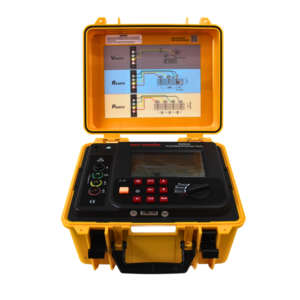
Click the picture to know more about Wrindu Earth Resistance Tester.
Why Is Ground Resistance Test Accuracy Important?
Accurate grounding resistance measurement helps engineers determine whether a grounding system can effectively protect electrical equipment and personnel.
A reliable measurement helps identify:
- Poor grounding connections
- Aging grounding electrodes
- Corrosion problems
- Increased soil resistance
- Potential electrical safety risks
If test results are inaccurate, engineers may:
- Replace healthy grounding components unnecessarily
- Miss potential grounding failures
- Make incorrect maintenance decisions
Therefore, improving measurement accuracy is essential for safe electrical system operation.
What Factors Affect Ground Resistance Test Results?
Many environmental and technical factors can influence grounding resistance measurements.
The most common factors include:
- Soil resistivity
- Electrode spacing
- Ground electrode condition
- Electrical interference
- Testing equipment performance
Understanding these factors helps engineers obtain more reliable results.
How Does Soil Resistivity Affect Ground Resistance Measurement?
Soil resistivity is one of the most important factors affecting grounding resistance.
The earth is not a uniform conductor.
Different soil conditions have different electrical conductivity characteristics.
Factors affecting soil resistivity include:
- Moisture content
- Soil composition
- Temperature
- Seasonal changes
- Mineral content
Why Does Soil Moisture Affect Ground Resistance?
Water improves the conductivity of soil.
Generally:
Wet soil → Lower grounding resistance
Dry soil → Higher grounding resistance
For example:
A grounding electrode tested during a dry season may show higher resistance compared with the same electrode tested after rainfall.
Therefore, engineers should consider weather conditions when analyzing test results.
How Does Soil Type Influence Grounding Performance?
Different soil types have different resistance characteristics.
Examples:
- Clay soil usually has lower resistivity
- Sandy soil often has higher resistivity
- Rocky soil may create high grounding resistance
Before designing large grounding systems, engineers often perform soil resistivity testing to understand underground conditions.
How Does Electrode Spacing Affect Ground Resistance Test Accuracy?
Electrode spacing is a critical factor in resistance measurement.
In methods such as the 3-point fall-of-potential test, incorrect spacing may create inaccurate readings.
Each grounding electrode creates a resistance area around itself.
If electrodes are placed too close:
- Resistance areas overlap
- Voltage measurement becomes unstable
- Results may not represent actual grounding resistance
What Is the Correct Electrode Distance for Ground Resistance Testing?
The recommended distance depends on:
- Grounding system size
- Soil conditions
- Electrode depth
- Site environment
For the 3-point method:
The potential electrode is commonly placed at approximately 62% of the distance between the test electrode and current electrode.
Proper spacing helps the tester measure the actual voltage drop through the earth.
How Does Ground Electrode Condition Affect Test Results?
The physical condition of grounding electrodes directly affects measurement accuracy.
Common problems include:
- Corrosion
- Loose connections
- Damaged conductors
- Poor contact with soil
These problems can increase grounding resistance.
How Can Engineers Improve Electrode Condition Before Testing?
Before measurement, engineers should:
- Check connection points
- Clean contact surfaces
- Inspect grounding conductors
- Confirm electrode installation condition
Regular inspection helps maintain stable grounding performance.
How Does Electrical Interference Affect Ground Resistance Testing?
Electrical interference is another important factor affecting measurement accuracy.
Ground resistance testing is often performed near electrical equipment such as:
- Power transformers
- Transmission lines
- Generators
- Industrial machinery
These systems may create unwanted electrical noise.
How Can Electrical Noise Be Reduced During Testing?
Engineers can improve measurement quality by:
- Selecting proper testing locations
- Using interference-resistant testers
- Performing repeated measurements
- Checking result stability
Professional ground resistance testers often include noise rejection technology to improve field performance.
How Does Test Equipment Quality Affect Measurement Accuracy?
The performance of the testing instrument directly affects measurement reliability.
A professional ground resistance tester should provide:
- Accurate current output
- Stable voltage measurement
- Automatic resistance calculation
- Reliable data storage
- Interference resistance
Low-quality instruments may produce unstable or incorrect readings.
What Features Should a High-Quality Ground Resistance Tester Have?
Important features include:
High Measurement Accuracy
The tester should provide repeatable results under different field conditions.
Multiple Testing Methods
A professional tester may support:
- 3-point testing
- 4-point soil resistivity testing
- Selective testing
- Resistance measurement
Portable Field Design
Portable equipment improves efficiency for:
- Substation maintenance
- Outdoor inspections
- Remote projects
How Can Engineers Improve Ground Resistance Testing Procedures?
Correct testing procedures are essential for accurate measurement.
How Should Engineers Prepare Before Testing?
Before starting:
- Check the tester condition
- Inspect test cables
- Confirm electrode connections
- Review grounding system design
Proper preparation reduces measurement errors.
Why Should Ground Resistance Tests Be Repeated?
Repeated measurements help confirm result stability.
If values change significantly between tests, engineers should check:
- Electrode placement
- Cable connections
- Electrical interference
- Soil conditions
Stable readings provide greater confidence.
Why Should Test Records Be Maintained?
Historical test data helps engineers monitor grounding system changes.
Comparing previous results can reveal:
- Increasing resistance trends
- Grounding degradation
- Maintenance requirements
Regular records support predictive maintenance.
Where Is Accurate Ground Resistance Testing Most Important?
Accurate grounding measurements are required in many industries.
How Is Ground Resistance Accuracy Important in Substations?
Substations require reliable grounding because they operate with high electrical energy.
Ground resistance testing helps verify:
- Transformer grounding
- Earth grid performance
- Switchgear protection
Why Is Ground Resistance Testing Important for Renewable Energy Systems?
Solar and wind power facilities require effective grounding for:
- Lightning protection
- Equipment safety
- Inverter protection
Accurate testing improves system reliability.
Why Do Industrial Facilities Need Accurate Ground Resistance Measurement?
Industrial plants depend on grounding systems to protect:
- Motors
- Control equipment
- Production systems
Regular testing helps reduce electrical failures.
How Can Wrindu Ground Resistance Testers Improve Measurement Reliability?
Wrindu develops professional electrical testing equipment for power utilities, industrial companies, and engineering organizations.
Wrindu ground resistance testers are designed to provide:
- Accurate measurement results
- Stable field performance
- Easy operation
- Reliable testing efficiency
Wrindu testing solutions help engineers evaluate grounding systems in:
- Substations
- Transformer applications
- Industrial facilities
- Renewable energy projects
Through advanced technology and quality control, Wrindu supports safer and more reliable electrical systems.
Frequently Asked Questions About Ground Resistance Test Accuracy
What affects ground resistance test accuracy?
Ground resistance accuracy can be affected by:
- Soil resistivity
- Electrode spacing
- Electrical interference
- Electrode condition
- Test equipment quality
How can I improve ground resistance measurement accuracy?
Accuracy can be improved by:
- Using correct electrode spacing
- Checking test connections
- Selecting suitable testing methods
- Using professional ground resistance testers
Why do ground resistance test results change?
Results may change because of:
- Soil moisture variation
- Temperature changes
- Seasonal conditions
- Electrode aging
Does soil moisture affect ground resistance testing?
Yes. Wet soil usually has lower resistance, while dry soil generally increases grounding resistance.
What is the best method for accurate ground resistance testing?
The 3-point fall-of-potential method is widely used for accurate grounding resistance measurement when proper testing procedures are followed.
How often should ground resistance testing be performed?
Testing frequency depends on:
- System importance
- Industry requirements
- Environmental conditions
- Maintenance schedules
Many facilities perform tests during regular preventive maintenance.
Can electrical noise affect earth resistance measurements?
Yes. Electrical interference from nearby equipment can affect measurements. Using advanced testers with noise rejection improves reliability.
Conclusion
Accurate ground resistance testing is essential for evaluating grounding system safety and performance.
Measurement results can be affected by many factors, including soil conditions, electrode placement, electrical interference, and equipment quality.
By following correct testing procedures and using professional ground resistance testers, engineers can improve measurement accuracy and identify grounding problems early.
Reliable ground resistance measurement helps protect electrical equipment, improve personnel safety, and maintain stable operation of power systems.
