

How Should Engineers Maintain Current Transformers in Power Systems?
Learn current transformer maintenance methods, inspection steps, testing requirements, and how CT analyzers support reliable power systems.
Why Is CT Maintenance Important?
Current transformers usually operate for many years in substations and electrical equipment.
During operation, CTs experience electrical stress, temperature changes, and environmental influence.
Although CTs are designed for long service life, their performance may change over time.
Therefore, regular maintenance helps engineers keep measurement and protection systems reliable.
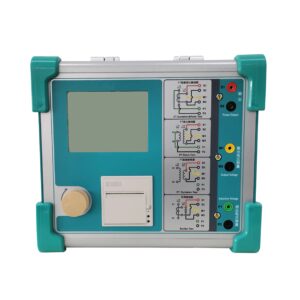
Click the image to know more about Wrindu CT and PT Analyzer.
What Problems Can CT Maintenance Prevent?
Regular CT maintenance can help identify:
- Loose connections
- Insulation problems
- Accuracy changes
- Secondary circuit issues
- Abnormal electrical characteristics
Finding these problems early can reduce unexpected equipment failures.
When Should Engineers Test Current Transformers?
CT testing schedules depend on equipment condition, operating environment, and maintenance requirements.
Common testing situations include:
- New equipment commissioning
- Periodic substation maintenance
- After repair work
- After abnormal operation
- Before important system upgrades
Therefore, engineers should create suitable maintenance plans based on actual conditions.
What Should Engineers Check During CT Inspection?
A CT inspection usually includes several steps.
Engineers should check:
- External appearance
- Terminal condition
- Secondary wiring
- Grounding connection
- Technical documents
In addition, electrical tests provide more detailed information about CT performance.
Which Electrical Tests Are Used During CT Maintenance?
Common CT maintenance tests include:
Ratio Testing
Checks whether the CT transformation ratio matches the rated value.
Polarity Testing
Confirms correct terminal connection.
Resistance Testing
Checks secondary winding and circuit condition.
Excitation Testing
Evaluates magnetic core performance.
Burden Testing
Checks the load connected to the secondary circuit.
How Does Testing Data Support Maintenance Decisions?
Test results provide a reference for future comparison.
For example, engineers can compare current results with previous records to identify performance changes.
Therefore, maintaining accurate test records improves long-term equipment management.
Why Should Utilities Keep CT Test Reports?
CT test reports provide useful information about equipment history.
They can include:
- Test date
- CT information
- Test method
- Test results
- Equipment condition
These records help engineers make better maintenance decisions.
How Can Portable CT Analyzers Improve Field Work?
Substation maintenance often requires testing equipment at different locations.
A portable CT analyzer allows engineers to perform multiple tests with one device.
As a result, testing teams can reduce equipment preparation time and improve field efficiency.
FAQs About CT Maintenance
How often should CTs be tested?
The testing frequency depends on equipment condition, operating environment, and maintenance requirements.
Why should CT test records be saved?
Test records help engineers compare performance changes and support future maintenance decisions.
What tests are common during CT maintenance?
Common tests include ratio, polarity, resistance, excitation, and burden testing.
Can CT maintenance prevent failures?
Regular inspection and testing can help identify potential problems before they affect system operation.
