How to Maintain a Circuit Breaker for Long-Term Electrical Safety

Discover how to properly maintain circuit breakers to prevent overload, short circuit, leakage, and overheating faults. Learn inspection steps, testing methods, and how Wrindu electrical testing equipment improves power system safety and reliability.

Circuit breakers play a critical role in protecting electrical systems from overloads, short circuits, leakage current, and voltage abnormalities. Without proper maintenance, breakers may fail to trip correctly, causing equipment damage, electrical fires, or unexpected power outages.

Regular inspection and testing help improve system reliability and extend the service life of electrical equipment. This article explains how to maintain circuit breakers, identify common problems, and perform effective preventive maintenance.

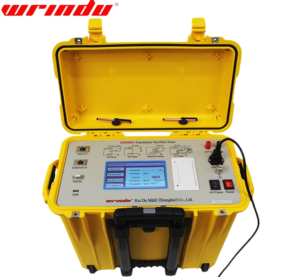
Circuit Breaker Comprehensive Tester

Click the image to know more about Circuit Breaker Comprehensive Tester.


Why Is Circuit Breaker Maintenance Important?

A circuit breaker is designed to disconnect power automatically when dangerous electrical conditions occur. Over time, heat, dust, vibration, moisture, and aging components can reduce breaker performance.

Routine maintenance helps:

  • Improve electrical safety
  • Reduce unexpected shutdowns
  • Prevent equipment damage
  • Detect hidden faults early
  • Extend breaker service life

For industrial and utility systems, preventive maintenance is especially important because breaker failure can affect the entire power distribution network.


What Are the Common Signs of Circuit Breaker Problems?

Several warning signs may indicate that a breaker requires inspection or replacement.

Common Symptoms Include:

  • Frequent tripping
  • Breaker overheating
  • Burning smell near the panel
  • Visible corrosion or discoloration
  • Unusual noise during operation
  • Difficulty resetting the breaker
  • Flickering lights or unstable power

Ignoring these symptoms may lead to more serious electrical faults.


How Often Should Circuit Breakers Be Inspected?

Inspection frequency depends on the operating environment and system importance.

Typical Recommendations

Application Suggested Inspection Interval
Residential systems Every 1–2 years
Commercial buildings Annually
Industrial plants Every 6–12 months
High-voltage substations Based on maintenance schedules

Harsh environments with dust, moisture, or vibration may require more frequent inspections.


What Should Be Checked During Breaker Maintenance?

A complete maintenance procedure includes both visual inspection and electrical testing.

Visual Inspection

Technicians should check for:

  • Loose connections
  • Burn marks
  • Cracked insulation
  • Rust or corrosion
  • Dust accumulation
  • Mechanical damage

Mechanical Inspection

The breaker operating mechanism should move smoothly without sticking or excessive force.

Electrical Testing

Professional testing helps verify breaker condition and performance.

Common tests include:

  • Contact resistance testing
  • Insulation resistance testing
  • Trip timing analysis
  • Leakage current testing
  • Thermal inspection

These tests can identify hidden internal problems before failure occurs.


Why Does Contact Resistance Increase?

Breaker contacts may wear or oxidize over time. Poor contact increases resistance, generating excessive heat during operation.

High contact resistance may cause:

  • Overheating
  • Energy loss
  • Voltage drop
  • Contact damage

Routine contact resistance measurement helps detect deteriorating connections early.


How Does Insulation Deterioration Affect Breakers?

Aging insulation can lead to leakage current or short circuits.

Insulation deterioration is often caused by:

  • Moisture
  • Heat
  • Dirt contamination
  • Chemical exposure
  • Mechanical stress

Regular insulation resistance testing helps ensure safe operation.


Can Environmental Conditions Damage Circuit Breakers?

Yes. Environmental factors strongly affect breaker reliability.

Common Environmental Risks

  • High humidity
  • Dust accumulation
  • Salt contamination
  • Extreme temperatures
  • Vibration
  • Water ingress

Protective enclosures and regular cleaning can reduce these risks.


How Can Preventive Maintenance Reduce Electrical Failures?

Preventive maintenance identifies small issues before they become major problems.

Benefits include:

  • Lower repair costs
  • Reduced downtime
  • Improved equipment lifespan
  • Better system reliability
  • Increased personnel safety

Planned maintenance is usually far less expensive than emergency repairs.


What Safety Precautions Should Be Followed?

Electrical maintenance should always follow proper safety procedures.

Important Safety Measures

  • Disconnect power before inspection
  • Use insulated tools
  • Wear protective equipment
  • Verify absence of voltage
  • Follow lockout/tagout procedures
  • Use qualified testing instruments

Safety should always be the top priority during breaker maintenance.


How Wrindu Testers Stand Out

Wrindu offers professional electrical testing equipment designed for power system maintenance and diagnostics.

Advantages of Wrindu Testing Equipment

  • High accuracy measurements
  • Stable and reliable operation
  • Easy-to-use interface
  • Durable industrial design
  • Fast testing performance
  • Suitable for field applications

Wrindu solutions support:

  • Circuit breaker testing
  • Contact resistance measurement
  • Insulation resistance testing
  • Transformer diagnostics
  • Relay protection testing
  • High-voltage system maintenance

These tools help engineers improve maintenance efficiency and electrical system reliability.


FAQs

Why does a circuit breaker trip repeatedly?

Frequent tripping may be caused by overload, short circuit, leakage current, or breaker failure.


How do electricians test breaker condition?

They perform insulation resistance tests, contact resistance tests, thermal inspections, and trip timing analysis.


Can dust cause breaker problems?

Yes. Dust buildup may reduce insulation performance and increase overheating risk.


What happens if breaker contacts become loose?

Loose contacts increase resistance and heat generation, which may damage the breaker.


Is preventive maintenance necessary for residential breakers?

Yes. Even residential systems benefit from periodic inspection and cleaning.


How long does a circuit breaker normally last?

Many breakers can operate for 20 years or more under proper maintenance conditions.


What causes breaker overheating?

Common causes include overload, poor contact, loose wiring, and aging components.


When should a circuit breaker be replaced?

Replacement is recommended if the breaker shows physical damage, overheating, unreliable operation, or failed testing results.

wrindu
wrindu