

Oil for Transformers in Wind Power Systems | Functions, Challenges & Maintenance Description
Explore the role of transformer oil in wind power systems, including insulation, cooling, and protection. Learn about key challenges, oil degradation, and maintenance strategies for reliable renewable energy performance.
Wind power systems rely heavily on transformers to convert and transmit generated electricity efficiently. In these systems, transformer oil plays a critical role in ensuring electrical insulation, cooling, and long-term operational stability. However, wind farms also introduce unique environmental and operational challenges that make oil performance even more important.
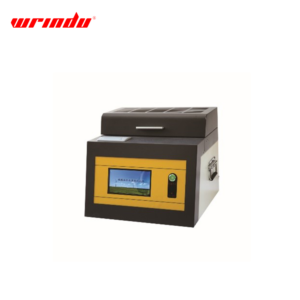
Click the image to know more about Wrindu BDV Tester.
Why Oil Is Important in Wind Power Transformers
Wind turbines generate variable and often high-voltage electricity that must be stabilized before transmission. Transformers inside wind systems depend on insulating oil for safe operation.
Key Functions of Transformer Oil:
- Electrical insulation: Prevents internal electrical breakdown
- Cooling: Removes heat generated by fluctuating loads
- Arc suppression: Protects during switching and fault conditions
- Moisture protection: Reduces risk of insulation degradation
Without high-quality oil, transformer efficiency and reliability in wind farms would be significantly reduced.
Challenges of Transformer Oil in Wind Power Systems
Wind power environments are more demanding than conventional substations.
1. Harsh Environmental Conditions
- High humidity in offshore wind farms
- Large temperature fluctuations
- Salt contamination in coastal areas
2. Load Variability
- Frequent changes in wind speed
- Unstable power generation cycles
- Increased thermal stress on transformers
3. Remote Maintenance Locations
- Difficult access to wind turbines
- Limited maintenance windows
- Higher importance of predictive diagnostics
Common Issues Affecting Transformer Oil in Wind Systems
1. Moisture Contamination
High humidity leads to water in transformer oil, reducing dielectric strength.
2. Oxidation and Aging
Continuous thermal cycling accelerates oil degradation.
3. Particle Contamination
Dust, metal particles, and sludge affect insulation performance.
4. Gas Formation
Electrical stress may produce gases indicating internal faults.
Maintenance of Transformer Oil in Wind Power Systems
Proper maintenance is essential to ensure reliability and reduce downtime.
Key Maintenance Practices:
- Regular oil sampling and BDV testing
- Moisture content monitoring
- Dissolved gas analysis (DGA)
- Oil filtration and dehydration
- Predictive condition monitoring
These practices help detect early signs of failure before serious damage occurs.
How Wrindu Testers Stand Out
Wrindu provides advanced testing solutions designed for renewable energy environments like wind power systems.
Key Advantages:
- High Precision Testing: Accurate dielectric strength and moisture measurement
- Portable Design: Ideal for offshore and remote wind turbine sites
- Multi-Parameter Analysis: Supports BDV, moisture, and oil condition testing
- Fast Testing Results: Enables quick maintenance decisions in limited downtime windows
- Rugged Construction: Designed for harsh industrial environments
Value for Wind Power Operators:
- Reduce unexpected transformer failures
- Improve reliability of renewable energy systems
- Optimize maintenance scheduling in remote locations
- Extend transformer service life under harsh conditions
Wrindu testers help ensure stable and efficient operation of wind power infrastructure.
FAQs: Transformer Oil in Wind Power Systems
Q1: Why is transformer oil important in wind power systems?
A: It provides insulation, cooling, and protection for transformers that manage wind-generated electricity.
Q2: What makes wind power transformer oil different from traditional systems?
A: It must withstand harsher environmental conditions, such as humidity, salt exposure, and variable loads.
Q3: How does moisture affect transformer oil in wind farms?
A: Moisture reduces dielectric strength and increases the risk of insulation failure.
Q4: How often should wind turbine transformer oil be tested?
A: Typically every 6–12 months, or more frequently in offshore or high-risk environments.
Q5: What is the most important test for wind power transformer oil?
A: Breakdown voltage (BDV) and moisture content tests are the most critical.
Q6: Can transformer oil be reused after degradation?
A: Yes, in many cases it can be restored through filtration, dehydration, and degassing.
Q7: Why is predictive maintenance important in wind power systems?
A: Because wind farms are often remote, early detection of oil issues prevents costly downtime and failures.
Final Thoughts
Transformer oil in wind power systems plays a crucial role in ensuring stable and efficient energy generation. However, harsh environments and variable loads make continuous monitoring essential.
With advanced solutions like Wrindu testing equipment, operators can accurately assess oil condition, prevent failures, and maintain reliable performance in modern renewable energy systems.
