

Phasing Sticks: A Complete Guide for Electrical Safety
Learn what phasing sticks are, their advantages, usage steps, and application scenarios. Our complete guide simplifies high voltage phasing with safe, portable phasing sticks for electrical professionals.
When it comes to keeping electrical systems safe and working properly, phasing sticks are one of the most important tools you can use. Whether you work in a substation, maintain transmission lines, or handle electrical equipment, understanding what phasing sticks are, why they matter, when to use them, and how to use them correctly is key to preventing accidents, equipment damage, and costly downtime. This complete guide covers all the essential information about phasing sticks, designed to be simple to understand while focusing on the core details you need to know.
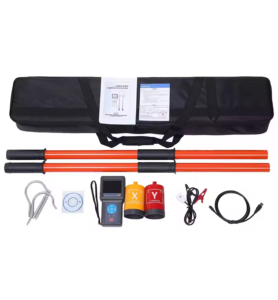
Click the image to know more about Wireless High Voltage Phase Detector.
Why Phasing Matters in Electrical Systems
Electrical systems—like substations, transmission lines, and power distribution networks—rely on proper phase and phase sequence to work safely. Every time a new electrical system is built, an existing one is renovated or expanded, or lines are repaired, a critical step is required: checking that the phases and phase sequences of different power sources or circuits match. This process is called phasing, and it is non-negotiable for safety. If phases do not match, it can cause serious damage to equipment, lead to power outages, or even create dangerous electrical hazards for workers and users. That’s where phasing sticks come in. These specialized tools make phasing easy, safe, and reliable, solving the problems of older, less effective methods. Phasing sticks are not just a convenience—they are a necessity for anyone working with high-voltage electrical systems.
[Internal Link: Learn more about the importance of phasing in electrical systems and how phasing sticks simplify this critical task.]
What Are Phasing Sticks?
Phasing sticks are simple, easy-to-use tools designed for electrical operations. Their main job is to check if two power sources or circuits have the same phase and phase sequence. In other words, they measure the phase difference between two parts of an electrical system during actual operation. Think of phasing sticks as a “checklist” for electrical phases—they tell you if two power sources can be safely connected or if a circuit is ready to be put back into use. Phasing sticks are used in all types of electrical settings, from large substations to small industrial facilities, and they play a vital role in ensuring that electrical systems run smoothly and safely. Unlike complex measuring equipment, phasing sticks are designed to be straightforward, so even less experienced workers can use them with confidence.
[Internal Link: Dive deeper into the definition and working principle of phasing sticks, including how they measure phase differences.]
The Limitations of Traditional Phasing Methods
Before phasing sticks became widely used, electricians relied on two main methods for phasing: voltage transformers and high-voltage electroscopes. While these methods can work in some cases, they have significant drawbacks that make them less reliable and more difficult to use—especially in high-voltage environments.
Voltage transformers are bulky, heavy, and require complex setup. Using them for phasing is a time-consuming process that involves multiple steps, which slows down work and increases the risk of human error. On the other hand, high-voltage electroscopes rely on weak glow indicators to show phase information. This glow is often hard to see, especially in bright or outdoor conditions, leading to easy misjudgment. A wrong reading from an electroscope can have serious consequences, including equipment damage or worker injury. These limitations make traditional methods far from ideal for regular phasing work—and that’s why phasing sticks have become the preferred tool for electricians around the world.
[Internal Link: Compare phasing sticks with traditional phasing methods to see how they solve common pain points.]
The Core Advantages of Phasing Sticks
Phasing sticks address all the flaws of traditional phasing methods, making high-voltage phasing a safe, reliable, and efficient task. Here are their key advantages, which make them indispensable for electrical work:
-
Safe and Reliable: Phasing sticks are designed for high-voltage environments, with insulated components that protect workers from electrical shock. Unlike electroscopes, they do not rely on weak glows—so there’s no room for misjudgment.
-
Clear Pointer Display: The pointer on phasing sticks is easy to read, even in bright light or noisy work sites. This clarity ensures accurate readings every time, reducing the risk of mistakes.
-
Lightweight and Portable: One of the biggest benefits of phasing sticks is their weight. They are only 1/10 to 1/20 as heavy as voltage transformers, making them easy to carry around job sites—whether you’re working in a substation or out in the field on transmission lines.
-
Easy to Use: Phasing sticks require minimal setup, so you can start using them quickly. This saves time and reduces the chance of setup errors, making phasing work more efficient.
These advantages make phasing sticks the most reliable tool for high-voltage phasing—an essential task that cannot be replaced by any other method.
[Internal Link: Explore the full range of advantages that make phasing sticks the top choice for electrical professionals.]
When to Use Phasing Sticks?
Phasing sticks are needed whenever you work with two or more power sources, as ensuring matching phases is critical for safety and functionality. There are four main scenarios where you must use phasing sticks before putting electrical systems or equipment back into operation. These scenarios cover common electrical work tasks, and using phasing sticks in each case helps prevent accidents and equipment damage:
-
When two power sources are backup for each other or need to operate in parallel (e.g., standby generators and main power supplies).
-
After repairing or modifying a power supply system or electrical equipment (even small changes can affect phase sequence).
-
After phase-by-phase maintenance is completed and circuits are ready to be reconnected.
-
When equipment maintenance could have changed the phase sequence (e.g., after re-wiring or replacing components).
In all these cases, phasing sticks are the best tool to confirm that phases and phase sequences match, ensuring safe and proper operation.
[Internal Link: Learn more about each application scenario and how to use phasing sticks correctly in different situations.]
Basic Usage Steps for Phasing Sticks
Phasing sticks have two main uses: checking phase consistency (phasing) and testing if a wire is energized (electroscope function). The basic steps for both uses are simple and straightforward, but it’s important to follow them carefully to ensure safety and accuracy. Here’s a quick overview of the process (for detailed step-by-step instructions, see the dedicated guide):
For Phasing (Checking Phase Consistency):
-
Mount the meter head vertically on a tripod and make sure the pointer is close to or equal to zero.
-
Connect the connecting wires to the test poles and the meter using the same color (this helps avoid wiring errors).
-
Ground the grounding wire properly to ensure safe operation.
-
Connect the two test poles to the corresponding lines on both sides. If the pointer is close to or zero, the two phases match; if the pointer is large, repeat the process a few times to confirm accuracy.
For Electroscope (Testing if a Wire is Energized):
-
Connect one test pole to any wire you want to test.
-
Connect the other test pole to the ground or another phase wire.
-
If the pointer is large, the wire is energized; if not, the wire is not energized.
Important Safety Note: Always follow high-voltage safety guidelines when using phasing sticks. Wear proper protective equipment, ensure the tool is in good condition, and never use a damaged phasing stick.
[Internal Link: Get detailed, step-by-step instructions for using phasing sticks, including safety tips and common mistakes to avoid.]
Why Phasing Sticks Are Essential for Electrical Safety
Phasing sticks are more than just a tool—they are a critical part of keeping electrical systems safe, reliable, and efficient. From checking phase consistency in substations to testing energized wires in the field, phasing sticks solve the limitations of traditional methods and make phasing work accessible to all electrical professionals. Their safety, portability, and ease of use make them indispensable for anyone working with high-voltage electrical systems.
Whether you’re a seasoned electrician or new to the field, understanding how to use phasing sticks correctly is key to preventing accidents and ensuring that electrical systems run smoothly. Use this guide as your starting point, and explore the linked resources below to dive deeper into specific topics about phasing sticks.
How Wrindu Testers Stand Out?
|
Advantage Category
|
Wrindu TAG8000
|
Competitor Comparison
|
|---|---|---|
|
Voltage Range
|
AC 10V – 500kV
|
Outperforms Shanghai Beha 9007 KB (6.6kV–44kV), TAG8600 (max 220kV), Fonxter MOEORW-9800C (no low-voltage compatibility)
|
|
Wireless Range
|
260 meters
|
Far exceeds TAG8600 (130m); more practical than HVTestTech’s bulky long-range model; Hoyt HPC-11k has no wireless capability
|
|
Phasing Modes & Safety
|
Dual contact/non-contact modes; robust safety features
|
Superior to Seaward’s contact-only models and Fonxter’s less precise non-contact system
|
|
User-Friendly Design
|
3.5-inch color screen, voice prompts, advanced data management
|
Outshines competitors with basic displays
|
|
Supply & Delivery
|
5000 sets/month supply capacity; 25-day delivery
|
Beats imported models’ 45+ day lead times
|
Explore More About Phasing Sticks
Phasing Sticks Definition and Core Value (learn more about what phasing sticks are and why they matter)
Phasing Sticks Application Scenarios and Usage Conditions (detailed information on when to use phasing sticks)
Phasing Sticks Operation Guide and Safety Rules (step-by-step instructions for safe use)
Phasing Sticks Selection and Maintenance (how to choose the right phasing sticks and keep them in good condition)
