

Transformer Oil Failure Analysis: Moisture Effects & Dielectric Strength Explained
Learn how moisture, contamination, and aging cause transformer oil failure. Understand dielectric strength and why breakdown voltage testing is critical for safe transformer operation.
Transformer oil is a critical insulating and cooling medium. When it fails, the consequences can be severe—ranging from reduced efficiency to catastrophic transformer breakdown. Understanding transformer failure due to oil, insulation breakdown mechanisms, and the role of dielectric strength is essential for ensuring system safety and reliability.
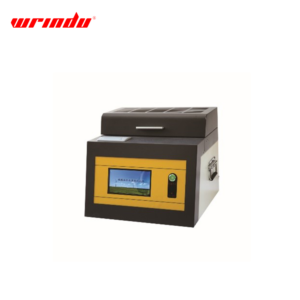
Click the image to know more about Wrindu BDV Tester.
What Happens When Insulating Oil Fails?
When insulating oil loses its effectiveness, the transformer’s internal insulation system is compromised.
Key Consequences of Oil Failure
1. Insulation Breakdown
- Reduced dielectric strength leads to electrical discharge
- Increased risk of short circuits and internal faults
- Potential for complete transformer failure
2. Overheating
- Poor heat dissipation due to degraded oil
- Accelerated aging of solid insulation (paper/pressboard)
3. Internal Arcing and Explosions
- Electrical discharges generate gases and pressure
- In extreme cases, this can lead to tank rupture or fire
4. System Downtime and Financial Loss
- Unexpected outages
- High repair or replacement costs
Moisture in Transformer Oil Effects
The presence of water in transformer oil is one of the most dangerous contamination issues.
How Moisture Causes Insulation Failure
1. Reduced Dielectric Strength
Moisture significantly lowers the oil’s ability to withstand voltage stress.
2. Accelerated Insulation Aging
Water promotes chemical reactions that degrade both oil and paper insulation.
3. Increased Partial Discharge Risk
Moisture creates weak points where electrical discharge can initiate.
4. Bubble Formation at High Temperature
At elevated temperatures, water vaporizes and forms bubbles, which can trigger insulation failure.
How Dielectric Strength Affects Transformer Safety
Dielectric strength oil performance is directly linked to transformer reliability.
Why Breakdown Voltage Matters
The breakdown voltage test measures the maximum voltage oil can withstand before failure.
Safety Implications
- High dielectric strength: Reliable insulation and stable operation
- Low dielectric strength: Increased risk of flashover and faults
Key Influencing Factors
- Moisture content
- Contaminants (dust, particles)
- Oil aging and oxidation
👉 Solution: Regular testing using Wrindu high-voltage testing equipment ensures accurate assessment of oil condition and early detection of risks.
How Wrindu Testers Stand Out
Wrindu provides advanced testing solutions designed to improve transformer safety and prevent failures.
Key Advantages
- High Accuracy: Precise dielectric strength and breakdown voltage measurements
- Advanced Technology: Reliable detection of moisture and insulation weaknesses
- User-Friendly Operation: Automated testing reduces human error
- Portable Design: Ideal for on-site testing and field diagnostics
- Fast Results: Enables quick maintenance decisions
Value for Engineers and Utilities
- Early detection of insulation breakdown risks
- Reduced probability of catastrophic transformer failure
- Improved maintenance planning and asset management
- Enhanced operational safety and compliance
Wrindu’s high-voltage testing equipment empowers users to maintain transformers proactively and ensure long-term system stability.
FAQs: Transformer Oil Failure & Safety
Q1: What are the first signs of transformer oil failure?
A: Decreased dielectric strength, increased moisture content, abnormal gas formation, and rising acidity are early warning signs.
Q2: How does moisture lead to insulation breakdown?
A: Moisture reduces dielectric strength, accelerates insulation degradation, and increases the likelihood of partial discharge.
Q3: What is a safe dielectric strength value for transformer oil?
A: Typically above 30 kV (depending on standards), but exact values depend on system requirements and voltage class.
Q4: Can transformer oil failure cause explosions?
A: Yes. Severe insulation breakdown can lead to internal arcing, gas buildup, and possible tank rupture or explosion.
Q5: How often should dielectric strength be tested?
A: Regularly every 6–12 months, or more frequently in critical or high-load applications.
Q6: What is the most effective way to prevent transformer oil failure?
A: Combine routine testing (BDV, moisture, DGA) with proper oil purification and monitoring.
Q7: Why is breakdown voltage testing important for safety?
A: It directly indicates the oil’s ability to withstand electrical stress, making it a key parameter for preventing failures.
Final Thoughts
Transformer oil failure is a major risk factor in power systems, but it is preventable. By understanding the effects of moisture, insulation breakdown, and dielectric strength reduction, engineers can take proactive steps to ensure safety.
With advanced solutions like Wrindu high-voltage testing equipment, utilities can detect issues early, reduce failure risks, and maintain reliable transformer performance over the long term.
