

Transformer Oil Leakage Causes and Leak Prevention Guide
Learn the common causes of transformer oil leakage and how transformer testing equipment helps with transformer leak prevention. Discover effective oil leak testing methods, maintenance practices, and solutions to improve transformer safety and reliability.
Transformer oil is important for insulation and cooling inside power transformers. If oil leakage happens, the transformer may lose insulation performance, overheat, or suffer internal damage.
Oil leaks can also create environmental risks, increase maintenance costs, and reduce equipment reliability.
This article explains the common causes of transformer oil leakage and how proper transformer testing equipment helps detect problems early.
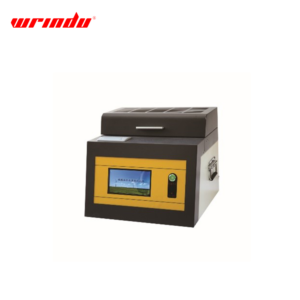
Click the image to know more about Wrindu BDV Tester.
Why Is Transformer Oil Important?
Transformer oil performs two main functions:
- Electrical insulation
- Heat dissipation
Good oil condition helps prevent:
- Insulation breakdown
- Overheating
- Internal arcing
- Transformer failure
If oil leaks occur, transformer safety and performance may decrease quickly.
What Are the Most Common Causes of Transformer Oil Leakage?
Transformer oil leakage usually develops slowly over time.
Common causes include:
- Aging seals
- Gasket damage
- Corrosion
- Loose connections
- Excessive pressure
- Poor installation
- Temperature changes
- Mechanical vibration
Regular inspection helps prevent major leaks.
How Do Aging Seals Cause Oil Leaks?
Rubber seals and gaskets become hard and brittle after long-term operation.
Heat, oxygen, and UV exposure may cause:
- Cracks
- Shrinkage
- Loss of flexibility
Once the seal weakens, oil may escape from joints and flanges.
Seal aging is one of the most common transformer leak prevention challenges.
Can Temperature Changes Cause Transformer Oil Leakage?
Yes.
Transformers often experience thermal expansion and contraction during load changes.
Repeated temperature cycling can:
- Loosen bolts
- Stress sealing materials
- Create small gaps
- Damage gaskets
Outdoor transformers are especially affected by large temperature variations.
How Does Corrosion Lead to Oil Leakage?
Moisture and environmental contamination may corrode metal surfaces.
Corrosion can damage:
- Welded joints
- Tank surfaces
- Pipe connections
- Radiators
Small corrosion holes may eventually develop into serious oil leaks.
Proper maintenance reduces corrosion risks.
Can Excessive Internal Pressure Cause Oil Leaks?
Yes.
Internal pressure may increase because of:
- Overheating
- Fault gases
- Overloading
- Cooling problems
High pressure places stress on seals and weak points.
If pressure relief systems fail, oil leakage may occur.
How Do Loose Connections Affect Transformer Sealing?
Transformer vibration during operation may gradually loosen:
- Bolts
- Flanges
- Valve connections
- Pipe fittings
Loose mechanical connections create leakage paths for transformer oil.
Routine tightening inspections are important for transformer leak prevention.
Why Is Oil Leak Testing Important for Transformers?
Small leaks are often difficult to detect visually.
Oil leak testing transformer equipment helps identify problems early before major failure happens.
Testing may include:
- Pressure testing
- Vacuum testing
- Infrared inspection
- Ultrasonic leak detection
- Oil level monitoring
Early detection helps reduce repair costs and downtime.
What Transformer Testing Equipment Helps Detect Oil Leakage?
Modern transformer testing equipment supports leak prevention and condition monitoring.
Common equipment includes:
- Oil dielectric testers
- Dissolved gas analyzers
- Infrared thermal cameras
- Pressure monitoring systems
- Vacuum leak detectors
- Moisture analyzers
These tools help engineers monitor transformer health more accurately.
How Can Transformer Oil Leaks Be Prevented?
Good maintenance practices help reduce leakage risks.
Important preventive measures include:
Regular Seal Inspection
Check gaskets and seals for aging or cracks.
Tightening Mechanical Connections
Inspect bolts and flanges regularly.
Corrosion Protection
Apply anti-corrosion coatings where necessary.
Temperature Monitoring
Avoid overheating and excessive thermal cycling.
Routine Oil Leak Testing
Use transformer testing equipment for early detection.
Preventive maintenance improves transformer reliability and service life.
FAQs
What is the most common cause of transformer oil leakage?
Aging seals and damaged gaskets are among the most common causes.
Can transformer overheating cause oil leaks?
Yes. High temperature increases internal pressure and stresses sealing materials.
Why is transformer oil important?
Transformer oil provides insulation and cooling for safe transformer operation.
How can oil leakage damage a transformer?
Oil loss may reduce insulation strength and cooling performance, leading to overheating or failure.
What equipment is used for oil leak testing transformer systems?
Common tools include pressure testers, infrared cameras, and dissolved gas analyzers.
Can small oil leaks become serious problems?
Yes. Small leaks may grow over time and lead to insulation failure or environmental contamination.
How often should transformer leak inspections be performed?
Inspection frequency depends on transformer type and operating conditions, but regular preventive maintenance is recommended.
Does vibration contribute to transformer oil leakage?
Yes. Long-term vibration can loosen mechanical connections and damage seals.
