

Future of Smart Sealing Technology in Electrical Testing Devices
Explore the future of smart sealing technology in electrical testing devices. Learn how self-healing polymers, smart sealing materials, and nanocomposite coatings improve waterproof protection, insulation reliability, and electrical safety in harsh environments.
Electrical testing devices often work in harsh environments with heat, moisture, dust, vibration, and high voltage. Traditional sealing materials can crack, age, or lose performance over time. This may lead to electrical leaks, insulation failure, and equipment damage.
Smart sealing technology is changing this situation. Modern sealing systems now use self-healing polymers, smart sealing materials, and nanocomposite coatings to improve reliability and safety.
This article explains the future of smart sealing technology and why it is important for electrical testing equipment.
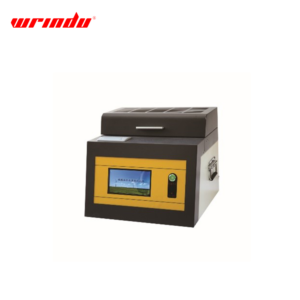
Click the image to know more about Wrindu BDV Tester.
What Is Smart Sealing Technology?
Smart sealing technology refers to advanced materials that can react to environmental changes or repair small damage automatically.
Unlike traditional seals, smart sealing materials can:
- Detect stress or cracks
- Recover from small damage
- Resist moisture and chemicals
- Improve insulation performance
- Extend equipment lifespan
These technologies are becoming more common in high-voltage and industrial electrical equipment.
What Are Self-Healing Polymers?
Self-healing polymers are materials that can repair minor cracks or surface damage automatically.
When small damage appears, the material reacts through:
- Heat activation
- Chemical reactions
- Microcapsule release
- Shape-memory effects
This helps restore sealing performance without immediate manual repair.
Self-healing polymer technology helps reduce:
- Water ingress
- Dust contamination
- Electrical leakage
- Seal aging
Why Are Smart Sealing Materials Important for Electrical Testing Devices?
Electrical testing devices are often exposed to:
- Outdoor weather
- High humidity
- Oil contamination
- UV radiation
- Mechanical vibration
- Temperature changes
Damaged seals can allow moisture to enter the equipment.
This may cause:
- Insulation breakdown
- Leakage current
- Corrosion
- Short circuits
- Measurement errors
Smart sealing materials help maintain enclosure protection for longer periods.
How Do Nanocomposite Coatings Improve Seal Performance?
Nanocomposite coatings use nanoscale particles to improve material strength and protection.
These coatings can improve:
- Water resistance
- Chemical resistance
- UV protection
- Heat stability
- Surface durability
Nanocomposite coatings are commonly applied to:
- HV enclosures
- Cable joints
- Insulation surfaces
- Electrical connectors
- Protective sealing layers
They help electrical testing equipment survive harsh industrial conditions.
How Can Self-Healing Polymers Reduce Maintenance Costs?
Traditional sealing systems require regular inspection and replacement.
Self-healing polymer materials can automatically repair minor damage before serious failure occurs.
This helps reduce:
- Maintenance frequency
- Downtime
- Repair costs
- Equipment replacement risk
For utility companies and industrial plants, this improves long-term operational efficiency.
Will Smart Sealing Technology Improve Electrical Safety?
Yes.
Moisture and contamination are major causes of electrical failure.
Smart sealing materials help prevent:
- Water ingress
- Surface tracking
- Arc faults
- Insulation degradation
- Leakage current increase
Better sealing protection improves both equipment safety and testing accuracy.
What Industries Will Use Smart Sealing Technology?
Many industries are adopting advanced sealing materials.
Common applications include:
- Power substations
- Renewable energy systems
- EV charging infrastructure
- Railway power systems
- Offshore electrical systems
- Battery energy storage
- Industrial automation
As electrical systems become more complex, reliable sealing technology becomes more important.
What Is the Future of Smart Sealing Technology?
Future sealing systems will become more intelligent and durable.
Expected developments include:
Self-Monitoring Seals
Future seals may detect damage and send warning signals automatically.
Better Self-Healing Speed
New self-healing polymer materials may repair cracks faster.
AI-Assisted Predictive Maintenance
Smart sensors may monitor seal condition in real time.
Advanced Nanocomposite Coatings
Future coatings may provide stronger chemical and thermal resistance.
Longer Equipment Lifespan
Improved smart sealing materials will help reduce equipment aging.
These technologies may significantly improve electrical equipment reliability in the future.
What Challenges Still Exist?
Although smart sealing technology is improving, some challenges remain.
These include:
- High material cost
- Complex manufacturing
- Long-term stability testing
- Extreme temperature limitations
- Industrial standard certification
However, research and commercial adoption continue to grow.
FAQs
What is a self-healing polymer?
A self-healing polymer is a material that can automatically repair small cracks or damage.
How do smart sealing materials work?
Smart sealing materials react to environmental changes or damage to maintain sealing performance.
What are nanocomposite coatings?
Nanocomposite coatings use nanoscale particles to improve durability, insulation, and water resistance.
Why are smart seals important for electrical equipment?
They help prevent moisture ingress, insulation failure, and electrical leakage.
Can self-healing polymers reduce maintenance?
Yes. They can repair minor damage automatically and reduce manual repairs.
Are smart sealing materials used in HV equipment?
Yes. Many high-voltage systems use advanced sealing technologies for better protection.
Do nanocomposite coatings improve waterproof performance?
Yes. They improve water resistance and environmental protection.
What is the future trend in smart sealing technology?
Future systems may include self-monitoring functions, AI-based diagnostics, and faster self-healing materials.
