

What Is the Typical Boiling Point of Coolant? A Complete Guide to Antifreeze Performance
Learn the typical boiling point of coolant, how antifreeze works, the role of ethylene glycol, freezing point requirements, and FAQs about coolant performance and engine protection.
Engine coolant, commonly known as antifreeze, plays a crucial role in maintaining proper engine operating temperatures. A high-quality coolant must perform effectively in both extremely cold and extremely hot conditions. Therefore, two of the most important performance indicators of coolant are its freezing point and boiling point.
Understanding the typical boiling point of coolant and the factors that influence it can help vehicle owners and maintenance professionals select the right coolant and avoid cooling system failures.
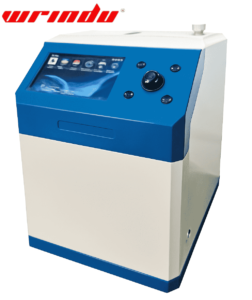
Click the image to know more about Wrindu Automatic Pour Point Freezing Point Tester.
What Is the Typical Boiling Point of Coolant?
A standard automotive coolant should have a boiling point of at least 108°C (226°F) under normal operating conditions.
For comparison:
- Pure water boils at 100°C (212°F) under atmospheric pressure.
- Most quality antifreeze formulations have a boiling point exceeding 108°C.
- Premium coolants often provide even higher boiling points when used in a pressurized cooling system.
A higher boiling point helps prevent coolant from vaporizing at elevated engine temperatures, ensuring effective heat transfer and cooling performance.
Why Is the Boiling Point of Coolant Important?
The boiling point determines the temperature at which the coolant changes from a liquid into a vapor.
When coolant begins to boil:
- Heat transfer efficiency decreases.
- Cooling system performance drops.
- Engine temperatures rise rapidly.
- Overheating becomes more likely.
If coolant reaches its boiling point during operation, vapor bubbles can form inside the cooling system, reducing circulation efficiency and potentially causing severe engine damage.
How Does Coolant Quality Affect Boiling Point?
The quality of coolant is often evaluated based on two key characteristics:
Freezing Point Performance
A quality antifreeze should provide excellent low-temperature protection.
Typical values include:
- Water freezing point: 0°C (32°F)
- Standard antifreeze freezing point: approximately −40°C (−40°F)
- High-performance antifreeze freezing point: around −60°C (−76°F)
Boiling Point Performance
A quality coolant should also maintain a high boiling point to withstand engine heat.
Generally, the larger the difference between the freezing point and boiling point, the better the coolant’s overall temperature protection range.
What Happens If the Coolant Freezing Point Is Too High?
If coolant does not provide sufficient freeze protection, it can freeze during cold weather.
Potential consequences include:
- Blocked coolant circulation
- Reduced heat transfer
- Cooling system malfunction
- Frozen radiator passages
- Cracked radiators or engine components
Insufficient freeze protection is often caused by:
- Low glycol concentration
- Excessive water dilution
- Poor-quality coolant formulations
- Incorrect product labeling
What Causes a Low Coolant Boiling Point?
A coolant with an abnormally low boiling point may contain excessive amounts of low-boiling-point substances such as:
- Methanol
- Ethanol
- Other low-molecular-weight alcohols
These additives can reduce production costs but may significantly lower thermal stability.
When the boiling point is too low, coolant is more likely to experience “boil-over” conditions, reducing cooling system efficiency and increasing the risk of engine overheating.
Does a Higher Boiling Point Always Mean Better Coolant?
Not necessarily.
While a sufficiently high boiling point is important, the primary function of coolant is efficient heat transfer rather than simply resisting boiling.
An ideal coolant must balance:
- Heat transfer efficiency
- Freeze protection
- Corrosion resistance
- Thermal stability
- Long-term durability
Therefore, the highest possible boiling point is not always the ultimate goal. Instead, coolant should provide an appropriate operating range for the intended application.
How Does Ethylene Glycol Increase the Boiling Point of Coolant?
Ethylene glycol is one of the primary ingredients used in antifreeze formulations.
It helps improve coolant performance by:
- Raising the boiling point
- Lowering the freezing point
- Enhancing thermal stability
- Providing freeze protection
In most coolant formulations, ethylene glycol typically accounts for 20% to 60% of the mixture.
Generally:
- Higher ethylene glycol concentration increases the boiling point.
- Higher ethylene glycol concentration lowers the freezing point.
However, excessive glycol concentration can negatively affect cooling efficiency and should remain within recommended limits.
What Is the Ideal Coolant Temperature Range?
A high-quality coolant should provide reliable protection across a wide temperature range.
Typical performance targets include:
| Property | Typical Value |
|---|---|
| Freezing Point | −40°C or lower |
| Premium Freezing Point | Up to −60°C |
| Minimum Boiling Point | 108°C or higher |
| Water Boiling Point | 100°C |
These values help ensure stable engine operation in both extreme cold and high-temperature environments.
How Can Coolant Quality Be Tested?
Several parameters can be measured to evaluate coolant quality:
- Freezing point
- Boiling point
- Glycol concentration
- pH value
- Corrosion inhibitor levels
- Contamination levels
Professional coolant analyzers and refractometers are commonly used to assess coolant condition and determine whether replacement is necessary.
FAQs About Coolant Boiling Point
Q: What is the normal boiling point of engine coolant?
A: Most automotive coolants should have a boiling point of at least 108°C, which is higher than the boiling point of water.
Q: Why does antifreeze have a higher boiling point than water?
A: Antifreeze contains glycol-based additives that increase the boiling point and improve thermal stability.
Q: What happens if coolant starts boiling inside the radiator?
A: Boiling coolant can form vapor pockets that reduce heat transfer efficiency and may lead to engine overheating.
Q: Does adding more ethylene glycol always improve coolant performance?
A: No. While ethylene glycol raises the boiling point and lowers the freezing point, excessive concentrations may reduce cooling efficiency.
Q: What causes coolant to boil over?
A: Common causes include a low coolant boiling point, cooling system failure, low coolant level, faulty radiator cap, or engine overheating.
Q: How can I check the freezing point and boiling point of coolant?
A: Specialized coolant testers, refractometers, and laboratory analysis equipment can accurately measure coolant properties.
Q: Why is freeze protection important in coolant?
A: Proper freeze protection prevents coolant from freezing and expanding, which could damage radiators, hoses, and engine components.
Conclusion
The typical boiling point of high-quality engine coolant should be at least 108°C, while the freezing point should provide protection down to approximately −40°C or lower. Together, these properties ensure reliable cooling system performance across a wide range of operating temperatures. By maintaining the proper glycol concentration and regularly testing coolant quality, vehicle owners and maintenance professionals can prevent overheating, freezing, and costly engine damage.
