

How to Choose the Right Ground Resistance Tester for Electrical Testing Applications?
Learn how to select the right ground resistance tester for substations, industrial facilities, and renewable energy projects. Compare key features, testing methods, and applications.
Why Is Selecting the Correct Ground Resistance Tester Important?
A ground resistance tester is an important tool for evaluating grounding system performance.
However, different electrical applications require different testing functions.
Choosing the right instrument helps engineers achieve:
- Accurate measurements
- Efficient field testing
- Reliable maintenance results
The correct tester should match the grounding system type, testing environment, and measurement requirements.
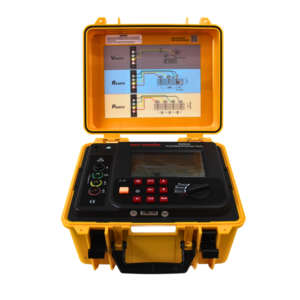
Click the picture to know more about Wrindu Earth Resistance Tester.
What Features Should a Professional Ground Resistance Tester Have?
Multiple Testing Methods
A professional tester should support different measurement methods, including:
- 3-point fall-of-potential testing
- 4-point soil resistivity measurement
- Ground resistance measurement
Different methods allow engineers to handle various grounding applications.
High Measurement Accuracy
Accurate measurement is essential for safety-critical systems.
Important specifications include:
- Measurement range
- Accuracy level
- Resolution
Noise Interference Protection
Electrical environments often contain interference from:
- Power lines
- Transformers
- Industrial equipment
Advanced instruments use filtering technology to improve measurement reliability.
Portable Field Design
Many grounding tests are performed outdoors.
A suitable tester should provide:
- Lightweight structure
- Battery operation
- Durable enclosure
- Easy operation
Which Applications Require Ground Resistance Testers?
Substation Grounding Testing
Power substations require regular grounding verification.
Testing helps evaluate:
- Transformer grounding
- Earth grid performance
- Fault current discharge capability
Industrial Electrical Systems
Factories use grounding testers to protect:
- Motors
- Production equipment
- Control systems
Renewable Energy Projects
Solar and wind power facilities require grounding testing for:
- Lightning protection
- Equipment safety
- System reliability
Telecommunication Towers
Communication towers use grounding systems to protect against lightning and surge events.
What Should Engineers Consider Before Buying a Ground Resistance Tester?
Testing Requirements
Determine whether the application requires:
- Basic resistance measurement
- Soil resistivity testing
- Advanced grounding analysis
Field Environment
Consider:
- Outdoor conditions
- Measurement distance
- Electrical interference level
Data Management Functions
Modern testers may provide:
- Data storage
- USB communication
- Test reports
These features improve maintenance efficiency.
How Does Wrindu Support Professional Grounding Measurement?
Wrindu develops electrical testing solutions designed for power utilities, industrial companies, and engineering organizations.
Wrindu earth resistance testers provide:
- Accurate grounding measurement
- Reliable field operation
- Convenient testing procedures
- Professional electrical safety evaluation
These solutions help engineers maintain safer and more reliable grounding systems.
FAQs About Choosing Ground Resistance Testers
What instrument is used to measure ground resistance?
A ground resistance tester or earth resistance tester is used to measure grounding system resistance.
What is the difference between a ground tester and a multimeter?
A ground resistance tester is specifically designed to measure earth resistance, while a multimeter cannot normally perform professional grounding tests.
Should a ground resistance tester measure soil resistivity?
For grounding design projects, selecting a tester with soil resistivity measurement capability can provide additional analysis functions.
What features are important in a ground resistance tester?
Important features include measurement accuracy, testing methods, interference resistance, and portability.
Which ground resistance tester is suitable for substations?
Substation applications usually require professional testers supporting fall-of-potential testing and reliable field measurement performance.
