

Why Battery and DC System Testing Secures Uninterrupted Substation Operation?
Learn why battery & DC system testing prevents substation outages. Explore capacity test, internal resistance, DC ground fault trends. Wrindu-Professional HV Testers Manufacturer provides OEM battery test equipment.
What Role Do Batteries and DC Systems Play Inside Substations?
Station DC power system acts as the last‑reserve power source for substations. Lead‑acid batteries serve as the core backup power supply. When AC main power fails, batteries keep supplying power for protection relays, circuit‑breaker tripping circuits, emergency communication and site monitoring devices.
Without reliable DC power, protection devices and breakers cannot execute trip commands during grid faults. Even if high‑voltage primary equipment works perfectly, the whole substation will lose fault‑handling capacity.
Industry statistics show that around 29% of substation safety incidents are related to battery bank or DC‑system defects. Many hidden DC faults show no obvious warning until AC power loss occurs. Regular testing is essential to avoid this kind of blind‑spot risk.
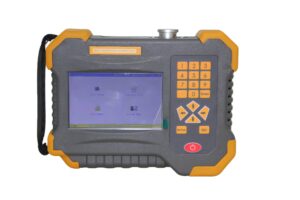
Click the image to know more about DC Battery Testing Equipment.
How Do Current Industry Trends Increase DC System Testing Requirements?
Three market changes push higher standards for substation battery and DC system inspection.
First, large‑scale renewal of aging battery groups. A large number of substation battery banks have reached 5‑8‑year service cycles. Battery aging, cell inconsistency and dry electrolyte become common hidden troubles. Utilities need regular assessment to arrange replacement plans.
Second, higher requirements for unattended smart substations. Modern unmanned substations rely heavily on stable DC backup power. On‑site manual patrol decreases, so periodic quantitative testing becomes more critical.
Third, stricter asset‑oriented maintenance. Power operators want to extend battery service life via condition‑based testing instead of blind whole‑group replacement. Meanwhile, global EPC and distributors seek qualified OEM Manufacturer to obtain integrated DC test devices matching local project standards.
Wrindu‑Professional HV Testers Manufacturer provides complete battery and DC system test instruments, covering battery internal resistance, capacity discharge and DC ground fault location. As an experienced OEM Manufacturer, it supports customized software, report templates and multi‑language UI for global partners.
What Core Test Items Belong to Battery & DC System Testing?
Complete DC system health check includes both single‑cell battery testing and whole DC loop verification:
- Battery Internal Resistance Test: Judge cell aging status; rising internal resistance is the earliest sign of battery degradation.
- Battery Capacity Discharge Test: Verify actual available capacity of the whole battery bank to confirm backup duration.
- Cell Voltage Monitoring: Find out unbalanced voltage among individual battery cells.
- DC Ground Fault Location: Pin‑point positive or negative pole grounding faults inside DC control loops.
- Float & Charging Voltage Test: Check rectifier output performance and battery floating‑charge working status.
- Ripple Measurement: Detect abnormal ripple from charging modules which may accelerate battery aging.
These test items cover new‑project acceptance, routine annual maintenance and post‑fault troubleshooting for substation DC power supply.
What Risks Will Happen Without Regular Battery and DC System Testing?
Neglecting DC system testing creates invisible but severe substation risks:
- Individual aging cells drag down the whole battery bank. During AC power blackout, actual backup time falls far below design value.
- DC ground faults may cause relay mis‑operation or refusal‑to‑trip under real grid fault conditions.
- Long‑term unbalanced float‑charge voltage accelerates battery swelling, electrolyte loss and premature scrapping.
- Rectifier module abnormality remains undetected, making batteries run under improper charging mode and shorten service life sharply.
Field maintenance data indicates that scheduled battery and DC system testing can cut DC‑related substation risks by more than 57%. Early detection of bad cells avoids expensive full‑bank replacement.
What Key Features Should You Look for When Selecting Battery & DC System Testers?
When sourcing battery and DC test equipment for substations, focus on these practical attributes:
- High measurement accuracy: Stable internal resistance and voltage reading for lead‑acid battery strings.
- Integrated functions: Combine cell testing, capacity discharge and DC ground fault locating in one tool set.
- Safety protection: Anti‑spark and over‑voltage protection for on‑site live DC‑loop measurement.
- Data management: Auto‑save test records, generate comparative trend reports for battery‑life analysis.
- Portable design: Lightweight hardware for frequent movement among different substation bays.
- OEM support: If you are distributor or EPC contractor, confirm whether the supplier can act as an OEM Manufacturer for interface localization and custom report formats.
- Overseas after‑sales: Online technical guidance and calibration support for international users.
Wrindu‑Professional HV Testers Manufacturer supplies reliable battery testers and DC ground fault locators. Devices are built for substation field environment and support OEM customization for global power‑sector clients.
What Is the Future Development Trend of Battery & DC System Test Technology?
Battery and DC‑system testing is moving toward intelligence and full‑life asset management:
- Online real‑time monitoring: Continuous online cell voltage & internal resistance monitoring complements periodic offline testing.
- Intelligent health evaluation: Algorithms automatically grade battery health and give replacement suggestions.
- Wireless data transmission: Test data sync to cloud platforms for unified substation asset management.
- High integration: Merge multiple test functions to reduce the number of instruments maintenance teams need to carry.
As unmanned substations become mainstream, battery and DC‑system health monitoring will be an indispensable part of substation safety assurance.
FAQs About Battery and DC System Testing
Q1: What is the difference between battery internal resistance test and capacity discharge test?
A: Internal resistance test is a quick offline or online screening method to spot aging cells. Capacity discharge test is time‑consuming but gives real available backup capacity. The two tests are complementary for full battery‑bank assessment.
Q2: How often should substation battery banks be tested?
A: New battery groups need full capacity test upon commissioning. In‑service batteries require internal resistance & voltage inspection every 6‑12 months. Full capacity discharge test shall be performed every 2‑3 years. After major DC‑system faults, complete re‑testing is required.
Q3: What hazards will DC ground faults bring to substations?
A: Single‑pole grounding may not cause immediate equipment failure. Double‑pole grounding can short‑circuit control circuits, resulting in protection mis‑operation or breaker failure to trip when grid faults occur. So DC ground fault must be located and eliminated promptly.
Q4: Can I replace bad single cells instead of replacing the whole battery bank?
A: Technically yes. But newly‑replaced cells have performance inconsistency with old cells. You need to carry out balancing adjustment and follow‑up frequent testing to guarantee overall battery‑bank performance.
Q5: What advantages can you get by cooperating with an OEM Manufacturer for DC test instruments?
A: A qualified OEM Manufacturer can offer factory‑direct price, multi‑language software UI, custom report templates and function adjustment. It fits regional distributors and large‑scale EPC project procurement.
Q6: Why choose Wrindu‑Professional HV Testers Manufacturer for battery and DC‑system testing?
A: Wrindu delivers battery internal resistance testers, battery discharge testers and DC ground fault locators. As a professional OEM Manufacturer, we provide standard products and custom‑tailored solutions with global technical support for substation maintenance teams worldwide.
