

Why Is Battery Internal Resistance Testing Important
Learn why battery internal resistance testing is essential for detecting battery aging, capacity loss, and failure risks. Discover the advantages of the Wrindu RD-7000 Battery Impedance Tester with high-precision measurement, SOH analysis, portable design, and intelligent battery monitoring software.
Battery internal resistance testing is one of the most effective ways to evaluate battery health and performance. Compared with only checking voltage or temperature, internal resistance testing can more accurately show the aging condition and actual capacity of a battery.
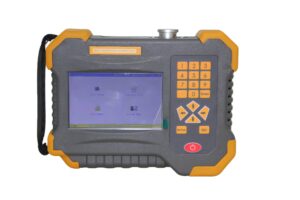
Click the image to know more about Battery Impedance Tester.
As batteries age, their internal resistance gradually increases. This increase is closely related to battery deterioration, reduced capacity, and declining power performance. Therefore, measuring internal resistance has become an internationally recognized method for battery maintenance and condition monitoring.
Several common battery failure problems can directly cause internal resistance to rise, including:
- Water loss inside the battery
- Negative plate sulfation or curing
- Positive plate corrosion
- Thermal runaway
These issues reduce the battery’s ability to store and deliver energy efficiently.
In general, batteries with larger capacity usually have lower internal resistance. When the internal resistance becomes higher, it often means the battery capacity is decreasing and the battery is approaching the end of its service life.
Studies from international telecommunication power organizations show that:
- When battery internal resistance increases by more than 25% compared with its normal value, battery capacity may drop to around 80% of the rated capacity.
- When the internal resistance increases by more than 50%, the battery capacity may fall below 80% of the nominal value, and battery replacement is strongly recommended.
Because most battery systems operate in series, the condition of each individual battery directly affects the performance of the entire battery bank. One weak or aging battery can accelerate the deterioration of other batteries connected in the same system.
For this reason, regular testing of each battery cell is essential. By monitoring battery internal resistance, maintenance personnel can quickly identify weak batteries, avoid unexpected failures, improve power supply reliability, and extend the overall service life of the battery system.
Why Choose the Wrindu RD-7000 Battery Impedance Tester?
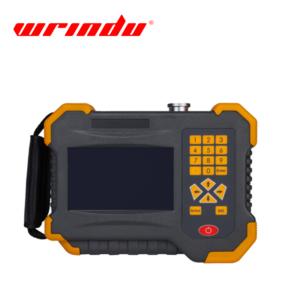
Click the image to know more about Wrindu Battery Internal Resistance Tester.
The RD-7000 Battery Impedance Tester from Wrindu is designed for fast, accurate, and professional battery condition analysis. It is suitable for lead-acid stationary batteries, battery banks, substations, telecom systems, UPS maintenance, and industrial power applications.
Key Advantages of Wrindu Testers
Fast and Accurate Measurement
The RD-7000 measures:
- Internal resistance range: 0.000mΩ–99.999mΩ
- Voltage range: 0.000V–25V
- Internal resistance resolution: 0.001mΩ
- Accuracy: ±0.5% rdg ± 6 dgts
This high precision helps engineers detect battery aging problems early before serious failures occur.
Immediate Battery Health Analysis
The tester provides instant SOH (State of Health) status messages, allowing users to quickly evaluate battery conditions on-site without complicated calculations.
Portable and User-Friendly Design
- Ergonomic handheld structure
- Large 5-inch touch screen
- Lightweight design: only 1.1 kg
- Protective soft carrying case
These features make field testing easier and more efficient.
Long Working Time
The built-in 11.1V/2400mAh rechargeable lithium battery supports up to 8 hours of continuous operation, making it ideal for large battery bank inspections.
Intelligent Data Management
The RD-7000 includes professional PC software for:
- Automatic data processing
- Trend analysis
- Battery condition reports
- Historical data comparison
Maintenance teams can easily track battery performance changes over time and improve preventive maintenance planning.
Large Storage Capacity
- 64MB Flash memory
- 8GB SD card support
- USB communication interface for fast data transfer
Wide Working Environment
The device operates reliably under demanding conditions:
- Temperature range: -20℃ to 60℃
- Humidity: up to 90% RH
This makes the tester suitable for substations, telecom stations, industrial plants, and outdoor environments.
How Internal Resistance Testing Improves Battery Maintenance
Regular battery impedance testing helps users:
- Detect weak batteries early
- Prevent unexpected downtime
- Reduce maintenance costs
- Improve system reliability
- Extend battery service life
- Avoid chain failures in battery banks
Compared with traditional voltage-only testing, internal resistance testing provides a more complete understanding of actual battery condition.
Conclusion
Battery internal resistance testing is an essential method for evaluating battery health, aging condition, and remaining capacity. Since battery deterioration directly increases internal resistance, regular impedance testing can help prevent failures and improve system safety.
With high accuracy, intelligent analysis software, portable design, and reliable performance, the RD-7000 Battery Impedance Tester is an ideal solution for professional battery maintenance and condition monitoring.
